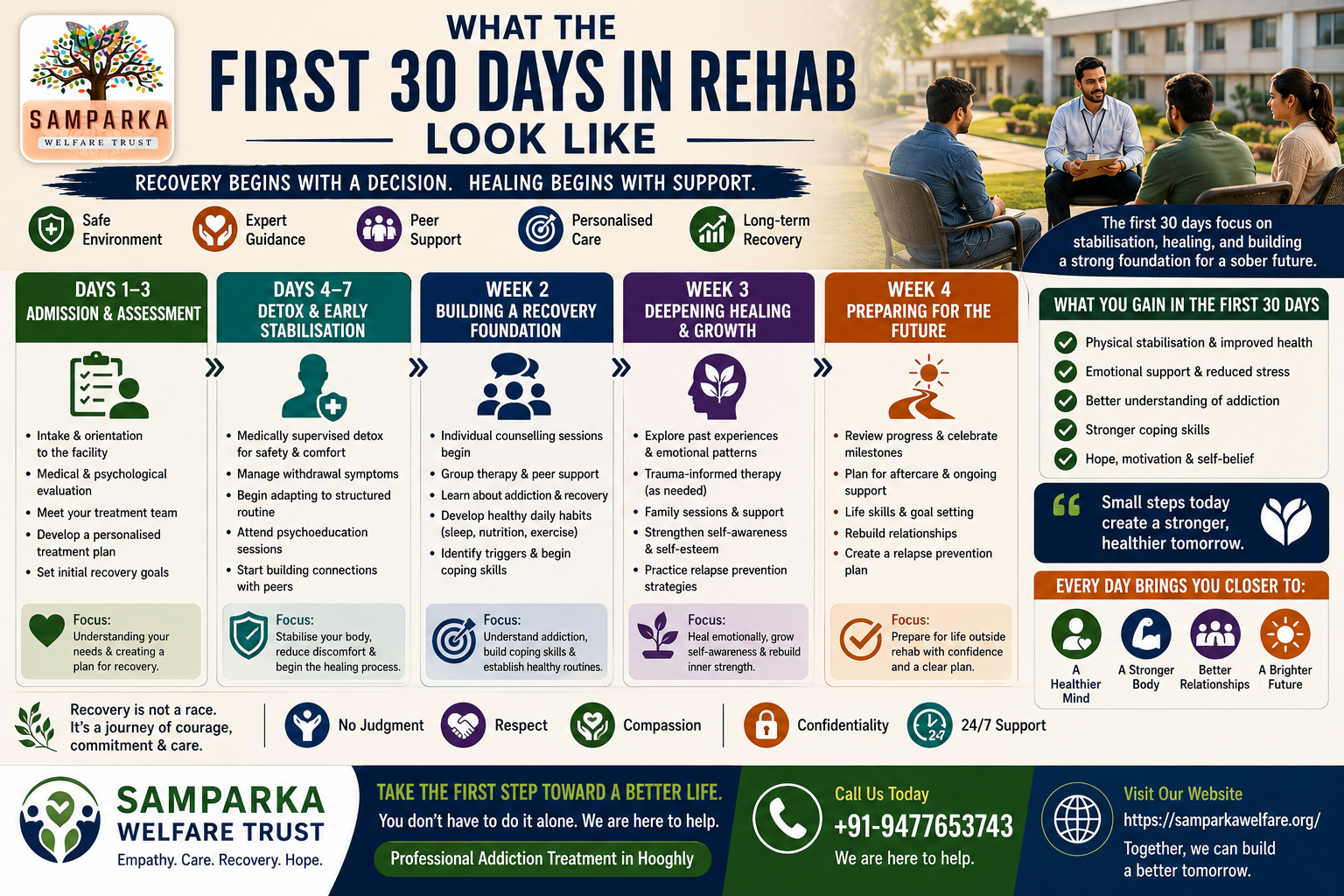
Recovery often begins with a single decision. Yet that decision can feel overwhelming. Images from movies create fear. Stories from others create doubt. Expectations often clash with reality. Surprisingly, the first month is rarely what people imagine. Structure replaces chaos. Guidance replaces confusion. Support replaces isolation. Every day introduces new lessons and opportunities for growth.
Many people worry about judgment, restrictions, or failure before entering a rehab centre. Others believe treatment offers a quick fix. Neither assumption reflects reality. Recovery requires commitment, patience, and professional support. The first 30 days focus on creating stability and building healthy habits.
This guide explains each stage of the journey. Readers will discover what happens during treatment, what challenges may arise, and how a rehab centre helps individuals create a strong foundation for lasting recovery.
Understanding the Purpose of the First 30 Days
The first month of treatment lays the groundwork for long-term recovery. Most professionals focus on stabilization before addressing deeper recovery goals. During active substance use, the body and mind often struggle to function normally. Immediate recovery efforts therefore prioritize safety, health, and emotional balance.
A rehab centre in Kolkata helps individuals regain physical strength while reducing the impact of withdrawal symptoms. Treatment teams also address emotional distress, anxiety, and other psychological concerns that commonly appear during early recovery. Many individuals enter treatment with unique medical histories, mental health conditions, and personal experiences. Because of these differences, no two recovery journeys follow the same path.
Personalized treatment plans allow professionals to tailor care according to individual needs. Some people require intensive medical supervision, while others need greater emotional support. Counselors, physicians, and therapists work together to create achievable recovery goals. This personalized approach increases engagement and helps patients develop confidence as they move through the recovery process.
Days 1–3: Admission and Assessment
The first few days focus on understanding each individual’s needs. Upon arrival, patients complete intake paperwork and receive an orientation to the facility. Staff members explain daily schedules, treatment expectations, and available services. This process helps reduce uncertainty and creates a sense of structure.
Medical evaluations begin shortly after admission. Healthcare professionals review physical health, substance use history, and any existing mental health concerns. Comprehensive assessments provide valuable information that guides future treatment decisions. Patients also meet members of their treatment team, including counselors, therapists, nurses, and physicians.
A personalized treatment plan develops from these assessments. Recovery goals are established based on each person’s circumstances and challenges. Professionals identify any co-occurring mental health disorders or medical conditions that require attention. Discussions may also include family relationships and support systems.
These early conversations help the rehabilitation centre design an effective roadmap for recovery. By the end of this stage, patients gain a clearer understanding of their treatment journey.
Days 4–7: Detox and Early Stabilization
During the first week, many patients begin detoxification and stabilization. Withdrawal symptoms can vary depending on the substance involved, duration of use, and overall health. Medical supervision ensures safety throughout this process and allows professionals to respond quickly to complications.
Common withdrawal symptoms may include fatigue, mood swings, anxiety, irritability, nausea, and sleep disturbances. Some individuals experience more severe symptoms that require close monitoring. In certain situations, medication-assisted treatment helps reduce discomfort and improve safety during detox.
Beyond physical recovery, patients start adapting to life inside the rehab centre. Daily schedules introduce consistency and accountability. Individuals attend educational sessions, participate in structured activities, and begin forming connections with peers. These interactions often reduce feelings of isolation and encourage mutual support.
Anxiety and uncertainty frequently emerge during this stage. Many people question their ability to succeed. Staff members provide reassurance and guidance while helping patients focus on short-term goals. Gradually, stability increases and confidence grows.
Week 2: Building a Recovery Foundation
Week two introduces the therapeutic work that supports lasting recovery. Patients typically begin individual counseling sessions where they explore personal experiences, behavioral patterns, and treatment goals. These conversations help identify factors that contribute to substance use.
Group therapy becomes another important component of treatment. Participants share challenges, successes, and insights in a supportive environment. Listening to others often creates a sense of belonging and reduces feelings of shame. Educational workshops also provide valuable information about addiction, recovery, and healthy decision-making.
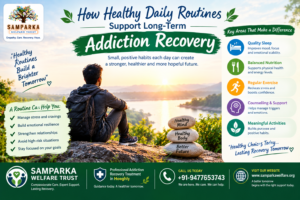
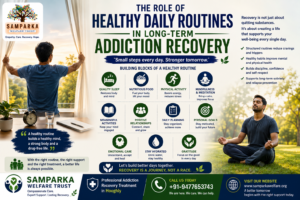
At the same time, a rehabilitation centre emphasizes healthy daily routines. Consistent sleep schedules improve physical and emotional well-being. Balanced nutrition supports healing and restores energy levels. Physical wellness activities encourage healthy habits and stress reduction.
Structured schedules keep patients engaged throughout the day. Regular activities help replace unhealthy behaviors with productive routines. As patients practice these habits, they develop greater self-discipline and prepare for future recovery challenges. Week two often marks the beginning of meaningful personal growth.
Week 3: Addressing Underlying Issues
By week three, patients often feel more stable and ready to explore deeper issues. Addiction rarely develops without underlying influences. Effective treatment, therefore, examines the factors that contribute to substance use.
Therapy sessions may focus on trauma, adverse experiences, and unresolved emotional pain. Many individuals also struggle with anxiety, depression, or other mental health conditions. Addressing these concerns helps patients understand the connection between emotional wellbeing and substance use.
Stressful relationships, environmental triggers, and unhealthy coping mechanisms also receive attention. Therapists help patients identify situations that increase vulnerability and develop healthier responses.
Learning coping skills becomes a central focus during this stage. Patients practice stress management techniques such as mindfulness, relaxation exercises, and healthy communication strategies. Emotional regulation skills help individuals manage difficult feelings without turning to substances. Relapse prevention education introduces practical tools for maintaining recovery outside treatment.
These lessons strengthen resilience and improve self-awareness. As understanding grows, patients become better equipped to navigate challenges while protecting their long-term recovery goals.
Week 4: Preparing for Life After Rehab
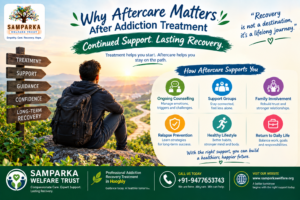
The final week focuses on preparing patients for the transition back into daily life. Recovery continues long after treatment ends, making aftercare planning an essential part of the process.
Treatment teams help patients explore outpatient treatment options that provide ongoing support. Many individuals benefit from support groups and recovery communities where they can maintain accountability and build healthy connections. Therapists may also recommend continued counseling to address ongoing challenges.
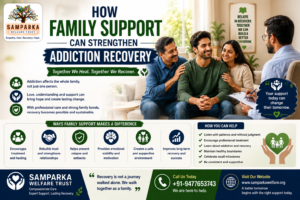
Family involvement often becomes an important part of discharge planning. Family therapy sessions create opportunities to rebuild trust and improve communication. Patients learn practical communication skills that support healthier relationships. Discussions about boundaries help protect recovery while encouraging positive interactions.
A quality rehab centre prepares patients for real-world situations they may encounter after discharge. Professionals help identify potential triggers and develop action plans for managing them. These preparations increase confidence and reduce the risk of relapse. By the end of week four, patients leave with a clearer strategy for maintaining progress.
A Typical Day in Rehab
Life inside a rehab centre follows a structured routine designed to support recovery. Most days begin early with personal care, breakfast, and goal-setting activities. Morning routines encourage discipline and create a positive start to the day.
Therapy sessions occupy a significant portion of the schedule. Individual counseling allows patients to work through personal concerns, while group therapy promotes connection and shared learning. Educational sessions provide information about addiction, mental health, and relapse prevention.
Afternoons often include recreational activities and wellness programs. Exercise, meditation, creative activities, and other therapeutic experiences help improve physical and emotional health. These activities teach patients healthy ways to manage stress and build confidence.
Evenings typically involve reflection and recovery-focused meetings. Patients review daily progress, discuss challenges, and set goals for the following day. Consistent routines reduce uncertainty and promote stability. This balanced approach supports healing while helping individuals develop habits that contribute to long-term success.
Common Challenges During the First Month
The first month of treatment presents several challenges. Homesickness often affects individuals who are away from family and familiar surroundings. Feelings of loneliness, frustration, and sadness may appear unexpectedly.
Cravings and triggers also create difficulties during early recovery. Certain thoughts, emotions, or memories can increase the desire to use substances. Learning to manage these experiences requires patience and practice.
Some individuals resist treatment at first. They may question the process or feel uncertain about change. Resistance often decreases as trust develops and positive results become more visible. Support from peers and professionals plays an important role during these moments.
Managing expectations presents another common challenge. Recovery rarely follows a straight path. Progress can feel slow at times. Small setbacks may occur. Patients who understand this reality often remain more committed to treatment.
A supportive rehab centre helps individuals navigate these obstacles through education, encouragement, and professional guidance. Overcoming early challenges strengthens confidence and reinforces commitment to recovery.
Signs the Program Is Working
Recovery progress appears differently for every individual. However, several signs indicate that treatment is moving in the right direction. Improved physical health often becomes noticeable first. Better sleep, increased energy, and healthier eating habits reflect positive changes.
Greater emotional awareness represents another important milestone. Patients begin recognizing thoughts, feelings, and behavioral patterns more clearly. This awareness helps them make healthier decisions and respond more effectively to challenges.
Stronger coping skills also demonstrate meaningful progress. Individuals learn practical strategies for managing stress, cravings, and emotional discomfort without relying on substances. These tools increase resilience and support long-term recovery.
Motivation often grows as treatment continues. Patients become more engaged in therapy and more committed to personal goals. They begin to envision a healthier future and take active steps toward achieving it.
Success during the first month does not require perfection. Consistent effort, improved self-awareness, and a willingness to learn often signal that recovery is moving forward in a positive direction.
Wrapping Up
Recovery is not a single event. Recovery is an ongoing journey that unfolds one day at a time. The first 30 days focus on healing, education, self-discovery, and building a strong foundation for future success. Each stage offers valuable lessons that support long-term growth and resilience.
Entering treatment can feel intimidating, but professional guidance makes the process manageable. Challenges will arise, yet every challenge creates an opportunity to learn and improve. Seeking help demonstrates strength, not weakness. Continued commitment after treatment remains essential for lasting recovery. Organizations like Samparka Welfare Trust support individuals as they move forward with hope, confidence, and a renewed commitment to a healthier future.