Addiction Recovery Is Never a Journey Taken Alone
Addiction affects much more than the individual struggling with substance dependence. It quietly changes family relationships, emotional well-being, financial stability, and everyday life. While professional treatment remains the foundation of recovery, the encouragement and involvement of loved ones often become the deciding factor between temporary improvement and lasting transformation.
Many families want to help but don’t know how. Some become overly protective, while others react with frustration or anger. Both responses are understandable, yet neither always supports long-term healing.
The good news is that families can become one of the strongest pillars of recovery when they understand addiction and learn healthy ways to provide support.
At Samparka Welfare Trust, we believe recovery becomes stronger when professional care and family support work together. Our addiction recovery treatment in Hooghly focuses not only on healing individuals but also on rebuilding families.
Why Family Involvement Matters in Addiction Recovery
Recovery is about much more than stopping alcohol or drug use. It involves rebuilding confidence, repairing emotional health, restoring relationships, and creating healthier routines.
Family members influence nearly every stage of this journey.
A supportive home environment reduces stress, encourages accountability, and provides emotional security during difficult moments. When families actively participate in recovery, individuals often remain more motivated and committed to treatment.
Research consistently shows that people receiving both professional treatment and family support experience better recovery outcomes than those attempting recovery without involvement from loved ones.
Professional addiction recovery treatment in Hooghly therefore includes family education and counselling whenever possible.
Understanding Addiction from a Family Perspective
Many families initially believe addiction is simply a matter of poor choices or weak self-control.
Modern medical science tells a different story.
Addiction changes brain chemistry, affects emotional regulation, and reduces impulse control. Over time, the brain begins prioritising substances over normal daily activities.
Understanding this helps families replace blame with compassion.
Instead of asking,
“Why can’t they stop?”
Families begin asking,
“How can we help them recover?”
This shift in mindset creates a healthier environment for long-term recovery.
Common Mistakes Families Make During Recovery
Families naturally want to protect someone they love.
However, good intentions sometimes unintentionally delay recovery.
Some common mistakes include:
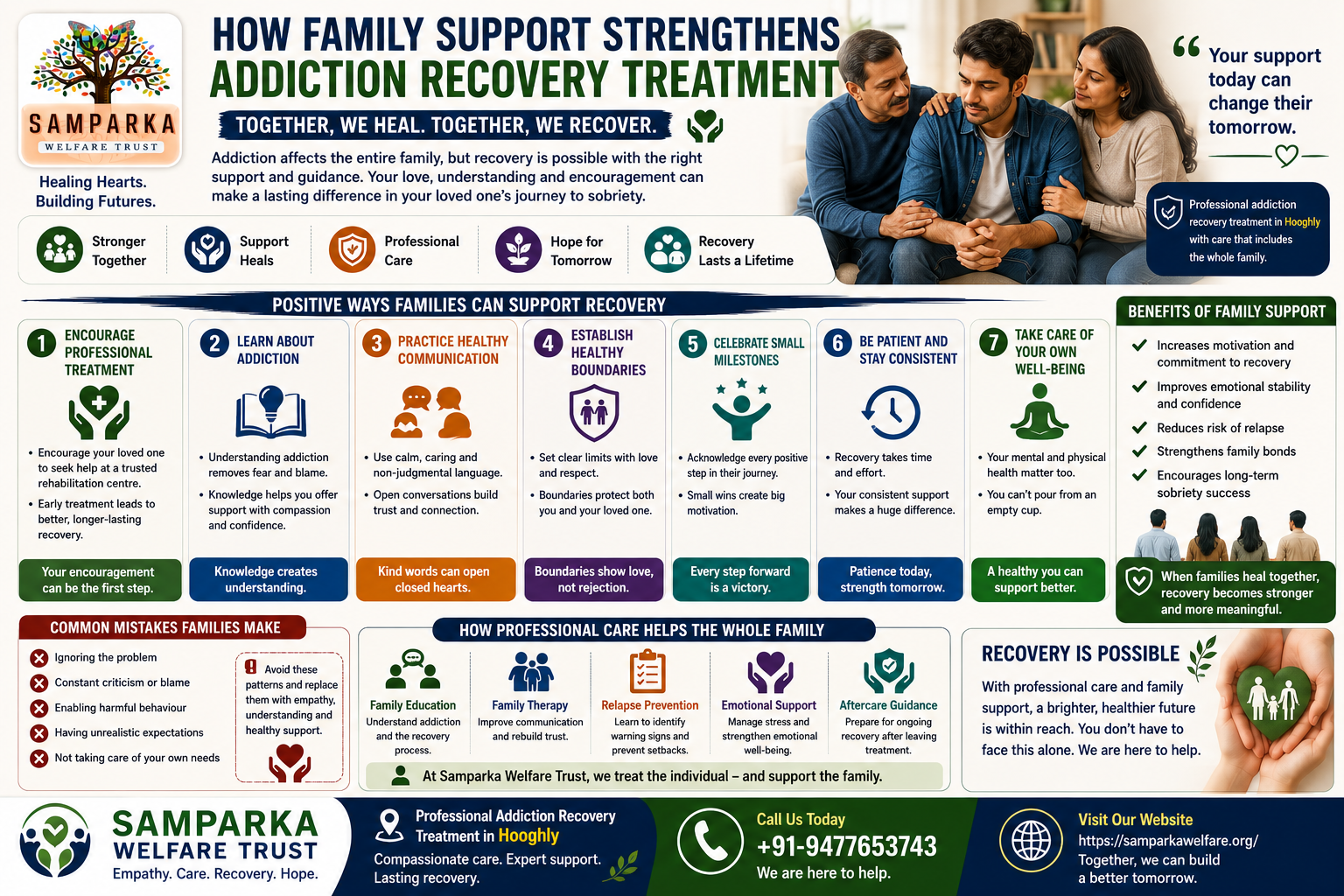
Ignoring the problem
Many families hope addiction will disappear on its own. Delaying treatment often allows dependency to worsen.
Constant criticism
Repeated arguments, blame, and emotional pressure may increase feelings of guilt and shame, making recovery more difficult.
Enabling behaviour
Providing money, covering up mistakes, or making excuses can unintentionally support continued substance use.
Unrealistic expectations
Recovery takes time.
Expecting immediate behavioural changes often creates disappointment for everyone involved.
Professional therapists help families recognise these patterns and replace them with healthier approaches.
Positive Ways Families Can Support Recovery
Families play an important role before, during, and after rehabilitation.
1. Encourage Professional Treatment
Recovery becomes much safer with professional medical supervision.
Encourage your loved one to seek help at a trusted rehabilitation centre instead of attempting recovery alone.
Avoid forcing treatment through threats or emotional pressure.
Supportive conversations usually produce better results.
2. Learn About Addiction
Education removes fear and confusion.
Understanding withdrawal symptoms, relapse triggers, emotional changes, and recovery stages helps families respond calmly during difficult situations.
Knowledge creates confidence.
3. Practice Healthy Communication
Recovery improves when conversations remain respectful.
Instead of saying:
“You always disappoint us.”
Try saying:
“We’re worried because we care about you.”
Simple changes in language reduce defensiveness and encourage honest discussions.
4. Establish Healthy Boundaries
Supporting recovery doesn’t mean accepting harmful behaviour.
Healthy boundaries protect both the recovering individual and family members.
Examples include:
- Refusing to provide money for substances
- Avoiding arguments during intoxication
- Encouraging responsibility
- Supporting treatment decisions
Boundaries promote accountability without removing compassion.
5. Celebrate Small Milestones
Recovery isn’t measured only by years of sobriety.
Every achievement deserves recognition.
Celebrate:
- One week sober
- Completing therapy sessions
- Returning to work
- Rebuilding relationships
- Managing stress without substances
Small victories create motivation for bigger successes.
The Emotional Challenges Families Experience
Recovery affects everyone emotionally.
Family members often experience:
- Anxiety
- Fear
- Anger
- Hopelessness
- Exhaustion
- Guilt
- Financial stress
These emotions are completely normal.
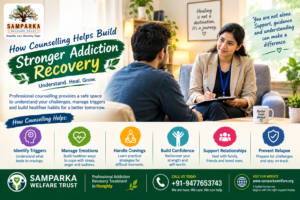
Family counselling helps loved ones process these feelings while learning healthier coping strategies.
At Samparka Welfare Trust, family healing remains an important part of recovery.
How Professional Rehabilitation Supports Families
Professional rehabilitation centres provide much more than detoxification.
Families receive:
Education Sessions
Understanding addiction reduces confusion and unrealistic expectations.
Family Therapy
Counsellors improve communication and rebuild trust.
Relapse Prevention Guidance
Families learn how to recognise warning signs before relapse occurs.
Emotional Support
Professional therapists help families manage stress throughout recovery.
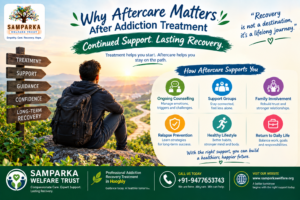
Aftercare Planning
Recovery continues long after rehabilitation ends.
Families receive practical guidance for maintaining healthy home environments.
Recognising Progress During Recovery
Recovery rarely follows a straight line.
Some weeks feel encouraging.
Others feel frustrating.
Positive signs include:
- Improved communication
- Better emotional control
- Increased responsibility
- Regular attendance at counselling
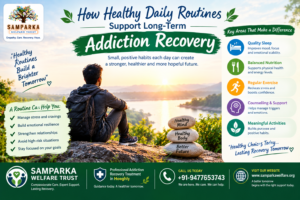
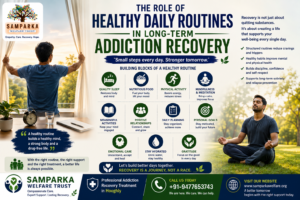
- Healthier daily routines
- Better physical health
- Honest conversations
- Stronger family relationships
Progress deserves encouragement even when recovery feels slow.
When Relapse Happens
One of the biggest misconceptions about addiction recovery is believing relapse means failure.
It doesn’t.
Relapse simply indicates that treatment strategies need adjustment.
Families should avoid criticism or punishment.
Instead:
- Encourage immediate professional support.
- Stay calm.
- Focus on solutions.
- Contact addiction specialists.
- Reinforce recovery goals.
Many successful recovery journeys include setbacks before lasting sobriety is achieved.
Professional addiction recovery treatment in Hooghly helps individuals learn from relapse rather than becoming discouraged.