Stress rarely announces itself with warning signs. Anxiety quietly grows beneath everyday responsibilities. Sleepless nights become frequent. Emotional exhaustion slowly replaces hope. Many people search for temporary relief without recognising the hidden dangers. What begins as an occasional drink or medication for relaxation may gradually become dependence.
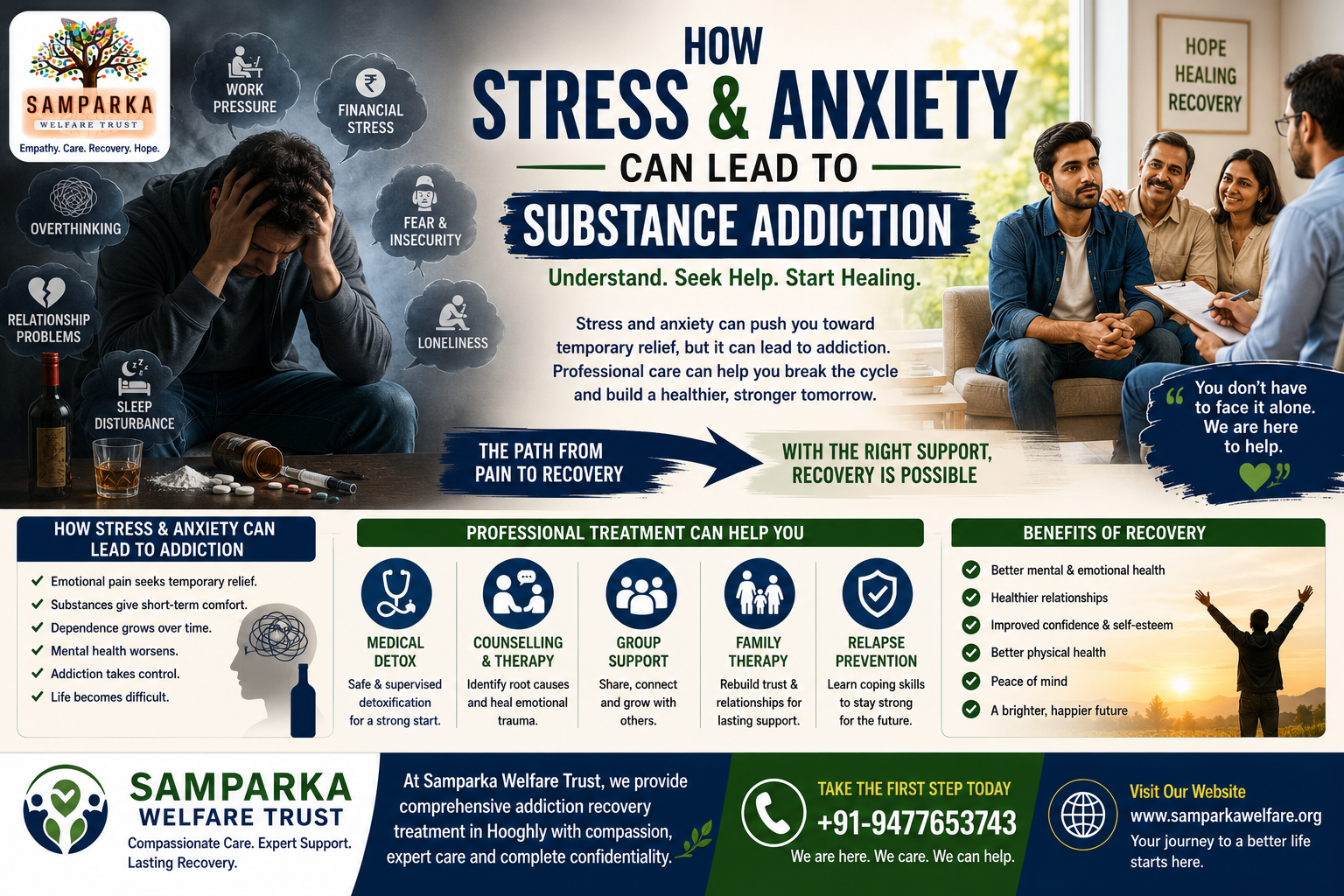
Stress and anxiety do not directly cause addiction, but they often create conditions where substance misuse becomes more likely. Emotional pain, unresolved trauma, workplace pressure, family conflicts, and financial challenges can push individuals toward unhealthy coping mechanisms.
At Samparka Welfare Trust, we understand that addiction is deeply connected to emotional well-being. Professional addiction recovery treatment focuses on treating both mental health challenges and substance dependence together. Understanding this connection is often the first step toward lifelong recovery.
Understanding the Connection Between Stress and Addiction
Stress is a natural response to difficult situations. The human body releases hormones such as cortisol and adrenaline to help manage challenges. Short-term stress can improve focus and decision-making.
However, chronic stress tells a different story.
When stress continues for weeks or months, the brain remains in a constant state of alertness. Emotional fatigue increases. Sleep becomes disrupted. Concentration decreases. Many individuals begin searching for quick ways to escape uncomfortable emotions.
Alcohol, prescription medications, nicotine, or recreational drugs often appear to provide temporary relief. Unfortunately, this relief is short-lived.
Repeated substance use changes brain chemistry, making natural stress management increasingly difficult. Eventually, individuals may depend on substances simply to feel “normal.”
Professional addiction recovery treatment in Hooghly helps individuals identify these emotional triggers before dependence becomes severe.
How Anxiety Increases the Risk of Addiction
Anxiety affects both the body and mind.
People experiencing anxiety may struggle with:
- Constant worry
- Panic attacks
- Racing thoughts
- Restlessness
- Sleep disturbances
- Difficulty concentrating
- Fear of social situations
Many individuals begin using alcohol or drugs to reduce these uncomfortable feelings temporarily.
Unfortunately, substances only mask anxiety instead of treating it.
Over time:
- Anxiety symptoms become stronger.
- Tolerance develops.
- Larger amounts of substances become necessary.
- Emotional dependence increases.
- Physical addiction gradually develops.
Professional addiction recovery treatment addresses anxiety alongside addiction rather than treating each condition separately.
Common Emotional Triggers That Lead to Substance Abuse
Every person’s journey is different. However, several emotional factors commonly contribute to addiction.
Workplace Pressure
Long working hours, unrealistic expectations, deadlines, and job insecurity create overwhelming stress.
Many professionals use alcohol or medications believing they improve relaxation after work.
Without healthy coping strategies, occasional use may gradually become dependency.
Relationship Problems
Divorce, family conflicts, emotional abuse, or loneliness often increase emotional vulnerability.
Instead of processing painful emotions, some individuals begin relying on substances for temporary comfort.
Professional counselling teaches healthier emotional regulation skills.
Financial Difficulties
Unexpected financial burdens create ongoing anxiety.
Debt, unemployment, or business losses frequently affect mental health.
Without emotional support, unhealthy coping behaviours become increasingly attractive.
Past Trauma
Childhood abuse, emotional neglect, accidents, violence, or grief often leave lasting emotional wounds.
Trauma remains one of the strongest risk factors for addiction.
Professional therapy helps individuals process traumatic experiences safely instead of escaping through substance use.
Warning Signs That Stress Is Becoming Addiction
Stress itself is normal.
The concern begins when coping behaviours become unhealthy.
Common warning signs include:
Emotional Signs
- Increased irritability
- Mood swings
- Loss of motivation
- Emotional numbness
- Constant worry
- Feeling hopeless
Behavioural Signs
- Drinking more frequently
- Using medications without prescription
- Social withdrawal
- Poor work performance
- Secretive behaviour
- Neglecting responsibilities
Physical Signs
- Fatigue
- Weight changes
- Poor sleep
- Frequent headaches
- Tremors
- Reduced personal hygiene
Early addiction recovery treatment can prevent these warning signs from progressing into severe dependence.
Why Self-Medicating Is Dangerous
Many people believe they can control occasional substance use.
Common thoughts include:
“I only drink to relax.”
“I need these pills to sleep.”
“It helps me manage stress.”
Although these habits may initially appear harmless, repeated self-medication changes brain chemistry.
Eventually:
- Emotional resilience decreases.
- Natural coping abilities weaken.
- Cravings become stronger.
- Withdrawal symptoms develop.
- Daily functioning becomes difficult.
Professional rehabilitation provides healthier alternatives for managing emotional distress.
How Professional Treatment Helps
Recovery involves much more than simply stopping substance use.
Professional addiction recovery treatment focuses on healing both emotional and physical health.
Comprehensive Assessment
Recovery begins with understanding the individual’s emotional, psychological, and medical condition.
Every treatment plan is personalised.
Medical Detoxification
Safe detoxification removes harmful substances while reducing withdrawal complications.
Medical supervision ensures patient safety throughout recovery.
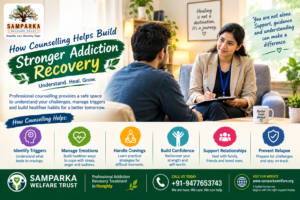
Individual Counselling
Therapists help individuals identify:
- Emotional triggers
- Negative thought patterns
- Trauma
- Stress management techniques
- Healthy coping mechanisms
Family Therapy
Addiction affects everyone.
Family counselling improves communication, trust, and emotional support.
Healthy family relationships strengthen long-term recovery outcomes.
Group Therapy
Peer support reduces isolation.
Sharing experiences with others creates motivation, accountability, and hope throughout recovery.
Relapse Prevention
Recovery continues long after rehabilitation.
Patients learn:
- Trigger management
- Emotional regulation
- Healthy lifestyle habits
- Stress reduction techniques
- Long-term recovery planning
These skills significantly improve lifelong sobriety.
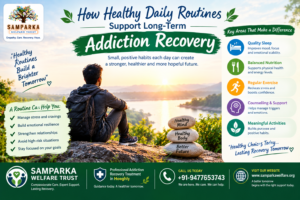
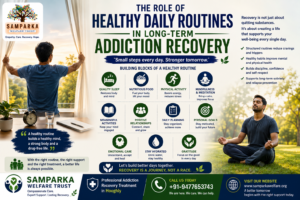
Healthy Alternatives for Managing Stress
Professional recovery encourages healthier coping strategies.
These include:
Regular Exercise
Physical activity naturally improves mood by increasing endorphin production.
Even a daily walk can reduce stress levels.
Mindfulness and Meditation
Mindfulness improves emotional awareness.
Breathing exercises help reduce anxiety during stressful situations.
Healthy Sleep
Quality sleep restores emotional balance.
Consistent sleep routines improve mental resilience.
Nutritious Diet
Balanced nutrition supports brain function and emotional well-being.
Proper hydration also improves overall recovery.
Social Support
Talking openly with trusted family members, friends, or counsellors reduces emotional isolation.
Support systems remain one of the strongest predictors of successful recovery.
Why Early Treatment Matters
Many families delay professional treatment hoping situations will improve naturally.
Unfortunately, addiction usually progresses over time.
Early intervention provides several advantages:
- Reduced health complications
- Lower relapse risk
- Better emotional stability
- Stronger family relationships
- Improved financial stability
- Higher long-term recovery success
Seeking addiction recovery treatment in Hooghly early often prevents years of unnecessary suffering.
How Samparka Welfare Trust Supports Recovery
Recovery requires compassion, expertise, and structured care.
At Samparka Welfare Trust, every recovery journey begins with understanding rather than judgment.
Our treatment approach includes:
- Medical supervision
- Personalised rehabilitation plans
- Individual counselling
- Group therapy
- Family counselling
- Mental health support
- Relapse prevention
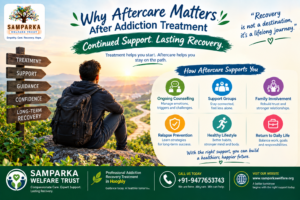
- Aftercare programs
We believe recovery is not simply about overcoming addiction.
It is about rebuilding confidence, restoring relationships, and creating a healthier future.
Every individual deserves respect, dignity, and hope throughout recovery.
Final Thoughts
Stress and anxiety affect millions of people every day.
Without healthy coping strategies, emotional pain may gradually lead to substance dependence.
Recognising the warning signs early can change the course of someone’s life.
Professional addiction recovery treatment provides the guidance, medical care, and emotional support necessary for lasting recovery.
At Samparka Welfare Trust, we believe no one should face addiction alone.
If you or someone you love is struggling, don’t wait for the situation to worsen.
Recovery begins with one courageous step. Reach out today and start building a healthier, happier future with compassionate professional support.