

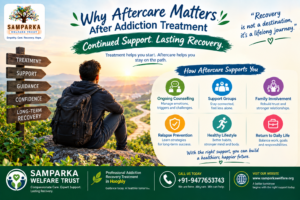
Why Aftercare Matters After Addiction Treatment
Addiction recovery does not end when a person completes a rehabilitation program. Finishing detox, therapy, or residential treatment is an important milestone, but returning to everyday life can bring new challenges. Familiar surroundings, stressful situations, old relationships, and emotional triggers may test the progress made during treatment. This is why aftercare is such an important part of addiction recovery treatment in Hooghly. It provides continued guidance after structured rehabilitation and helps individuals gradually adjust to life outside a treatment environment. At Samparka Welfare Trust, recovery is viewed as an ongoing journey rather than a single event. Continued counselling, family involvement, healthy routines, and relapse-prevention planning can help individuals maintain the progress they have achieved. What Is Aftercare in Addiction Recovery? Aftercare refers to the ongoing support provided after the primary phase of addiction treatment has been completed. It can include counselling, follow-up appointments, support groups, family sessions, wellness activities, and relapse-prevention planning. During residential treatment, individuals often follow a structured routine. They may have regular therapy sessions, professional supervision, peer support, and carefully planned daily activities. Returning home means many of these external structures change. Aftercare helps bridge this transition. For individuals receiving addiction recovery treatment in Hooghly, continued support can provide an opportunity to discuss new challenges before they become overwhelming. Instead of waiting until a crisis develops, individuals can continue working on their emotional health, coping skills, and recovery goals. Aftercare plans should also be personalised because every person’s recovery journey is different. Why Recovery Continues After Rehabilitation Completing rehabilitation does not automatically remove every emotional trigger or behavioural pattern associated with addiction. A person may have learned how to manage cravings in treatment but encounter completely different situations after returning home. Workplace pressure, family disagreements, financial concerns, loneliness, or meeting old acquaintances may create unexpected emotional challenges. This does not mean treatment has failed. Recovery involves applying the skills learned during treatment to real-life situations. Continued professional support can make this transition more manageable. An individual may need additional counselling to understand a recurring trigger or develop a healthier response to stress. Regular follow-ups can also help identify changes in mood, behaviour, or motivation early. This is one reason ongoing addiction recovery treatment in Hooghly can be valuable even after the primary rehabilitation program has ended. The Importance of Relapse Prevention Relapse prevention is one of the most important elements of aftercare. During treatment, individuals can learn to recognise situations that increase their risk of returning to substance use. These situations may include emotional distress, certain social environments, specific people, financial pressure, or unhealthy routines. Aftercare helps individuals continue practising the strategies developed during rehabilitation. A relapse-prevention plan may include: Identifying personal triggers Recognising early warning signs Developing healthy coping strategies Maintaining regular counselling Avoiding high-risk environments when possible Building supportive relationships Following healthy daily routines Knowing who to contact during difficult situations The purpose is not to create fear around relapse. Instead, it is to help individuals understand their own recovery patterns and respond to challenges more effectively. Managing Cravings After Treatment Cravings can sometimes continue after the primary treatment phase. Experiencing a craving does not automatically mean that someone has returned to addiction. What matters is how the person responds to it. Aftercare can help individuals practise techniques for managing cravings. These may include distraction, physical activity, mindfulness, speaking with a trusted person, attending a support session, or discussing the experience with a counsellor. Understanding that cravings can change in intensity is also important. An individual may learn to recognise that a craving is temporary rather than something that must be acted upon. Professional guidance can help identify which coping techniques are most suitable for an individual’s circumstances. For people continuing addiction recovery treatment in Hooghly, regular counselling can provide a safe environment to discuss cravings without fear of judgment. Family Support During Aftercare Recovery affects the entire family, so family involvement can remain important after rehabilitation. Loved ones may have their own fears after seeing someone struggle with addiction. They may worry about relapse or find it difficult to rebuild trust. At the same time, the person in recovery may feel pressure to prove that everything has changed immediately. These expectations can create unnecessary tension. Family counselling can help everyone understand the recovery process more clearly. Families can learn how to communicate concerns without excessive criticism and how to establish healthy boundaries. Support does not mean ignoring harmful behaviour. It means creating an environment where recovery is encouraged while everyone’s emotional well-being is respected. Samparka Welfare Trust encourages families to remain involved in the recovery process through compassionate communication and appropriate professional guidance. Rebuilding Trust Takes Time Addiction can damage trust within families, friendships, and professional relationships. During recovery, individuals may genuinely want to repair these relationships. However, rebuilding trust rarely happens through promises alone. Consistent actions matter. Arriving at responsibilities on time, communicating honestly, maintaining treatment appointments, following healthy routines, and taking responsibility for past behaviour can gradually demonstrate positive change. Family members may also need time to feel comfortable again. Aftercare provides continued support while these relationships are being rebuilt. Counselling can help individuals manage frustration when progress feels slow and help families understand that recovery is a gradual process. Returning to Work and Everyday Responsibilities Returning to normal responsibilities can be both encouraging and challenging. Work provides structure and purpose, but workplace pressure can also create stress. Individuals may need to balance professional responsibilities with therapy appointments, recovery routines, and personal commitments. A gradual and realistic approach can make this transition easier. Maintaining adequate sleep, regular meals, physical activity, and time for counselling can support overall stability. Individuals should also recognise when workload or stress begins affecting their emotional well-being. Aftercare creates a space to discuss these challenges and identify healthier ways to manage them. For individuals completing addiction recovery treatment in Hooghly, adapting to everyday responsibilities should be viewed as part of the recovery journey rather than something that must happen perfectly from the beginning. The Role of Support
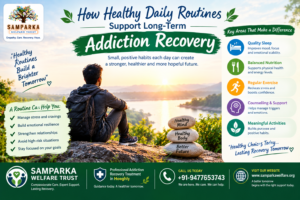
How Healthy Daily Routines Support Long-Term Addiction Recovery
Addiction recovery does not end when a person stops using a substance. The journey continues through everyday choices, emotional challenges, relationships, and personal habits. After completing detoxification or rehabilitation, returning to normal life can sometimes feel overwhelming. Old routines may bring back familiar triggers, while stress and emotional pressure can challenge recovery progress. A healthy daily routine can provide stability during this important stage. Regular sleep, balanced nutrition, physical activity, counselling, meaningful activities, and supportive relationships can help individuals create healthier patterns. At Samparka Welfare Trust, recovery is approached as an ongoing journey that requires compassion, structure, and consistent support. Professional addiction recovery treatment in Hooghly can help individuals understand their triggers while developing practical habits that support long-term wellbeing. Why Routine Matters During Addiction Recovery Addiction can disrupt almost every part of daily life. Sleeping patterns may become irregular, meals may be skipped, responsibilities may be neglected, and relationships can become strained. When recovery begins, rebuilding a predictable routine can provide a sense of stability. A structured day reduces uncertainty and creates opportunities for healthier decisions. Instead of allowing cravings or emotional difficulties to control the entire day, individuals can follow planned activities that support their recovery goals. A routine may include waking at a consistent time, eating regular meals, attending counselling sessions, exercising, engaging in hobbies, and maintaining meaningful social connections. Professional addiction recovery treatment in Hooghly can help individuals develop realistic routines according to their personal circumstances. Recovery plans should remain personalised because every person’s experiences, health conditions, triggers, and responsibilities are different. The goal is not to create a perfect schedule. The goal is to establish sustainable habits that support physical and emotional wellbeing. The Importance of Healthy Sleep Sleep can play an important role in recovery. Addiction and withdrawal can disrupt normal sleeping patterns, leaving individuals feeling tired, irritable, or emotionally overwhelmed. Poor sleep may make it harder to manage stress and maintain concentration. When someone feels exhausted, everyday challenges can seem more difficult to handle. This can make emotional regulation and coping with cravings more challenging. Developing healthy sleep habits can gradually create greater stability. Some useful practices include: Maintaining a consistent bedtime and wake-up schedule Reducing excessive screen use before sleeping Creating a calm sleeping environment Avoiding excessive caffeine late in the day Following professional advice when persistent sleep problems occur Practising relaxation techniques before bedtime Sleep problems should not automatically be treated with self-medication. Individuals experiencing persistent difficulties should discuss them with qualified healthcare professionals. A structured rehabilitation program can also help individuals understand how sleep patterns interact with emotional wellbeing and recovery. Nutrition and Physical Recovery Substance dependence can sometimes interfere with regular eating patterns and overall nutritional wellbeing. During recovery, maintaining balanced meals can support general physical health. A healthy diet can include vegetables, fruits, whole grains, proteins, healthy fats, and adequate fluids according to individual dietary requirements. Regular meals can also introduce structure into the day. Instead of unpredictable eating patterns, individuals can develop consistent meal times and gradually rebuild healthier habits. Nutrition should be personalised, particularly for people with existing medical conditions or nutritional deficiencies. Professional medical or dietary guidance may be appropriate when necessary. At Samparka Welfare Trust, nutritional support can complement broader recovery efforts by encouraging individuals to pay attention to their physical wellbeing alongside emotional healing. Exercise and Recovery Physical activity can become another meaningful part of a recovery routine. Exercise does not need to involve intense workouts. Walking, stretching, yoga, light strength training, or other suitable activities can be incorporated according to an individual’s health and fitness level. Regular movement can provide structure and encourage individuals to spend time away from environments associated with unhealthy habits. Exercise can also become a healthy alternative activity during periods when boredom or stress might otherwise trigger harmful behaviours. However, exercise should remain appropriate for the person’s physical condition. Anyone recovering from significant substance dependence or experiencing medical complications should seek professional advice before starting a demanding exercise program. The purpose is not athletic performance. It is to gradually encourage healthier lifestyle patterns. Managing Free Time in Recovery Unstructured free time can sometimes become challenging during recovery. Boredom may create opportunities for individuals to return to familiar environments or behaviours. Developing meaningful activities can help fill this space constructively. Some people may enjoy: Reading Music Gardening Art Cooking Learning new skills Walking Volunteering Spending time with supportive family members Pursuing educational or professional goals The activity itself is less important than whether it provides a healthy and meaningful alternative to previous patterns. Recovery is also an opportunity to rediscover interests that may have been neglected during addiction. Recognising Personal Triggers A healthy routine becomes more effective when individuals understand what can challenge their recovery. Triggers can vary considerably. They may include particular people, places, memories, emotions, social situations, financial stress, relationship conflicts, loneliness, or exposure to substances. Keeping a journal can help individuals identify recurring patterns. For example: Situation → Emotion → Craving → Response A person may notice that an argument creates anger, anger leads to isolation, isolation increases cravings, and cravings create the temptation to return to substance use. Recognising this pattern provides an opportunity to introduce a healthier response. Instead of immediately reacting, the individual might contact a trusted person, attend a counselling session, take a walk, practise relaxation techniques, or use another strategy recommended by their treatment team. Professional addiction recovery treatment in Hooghly can help individuals identify these patterns and develop personalised coping strategies. The Role of Counselling Lifestyle changes alone may not address the underlying causes of addiction. Emotional experiences, trauma, anxiety, depression, relationship difficulties, or environmental stress may continue to influence recovery. Counselling provides an opportunity to explore these issues in a structured environment. Individual counselling allows people to discuss personal experiences privately. Group therapy can provide shared understanding and encouragement. Family counselling can help rebuild communication and trust. Therapy can also help individuals understand why certain situations trigger cravings or unhealthy behaviours. Recovery is not simply about avoiding substances.
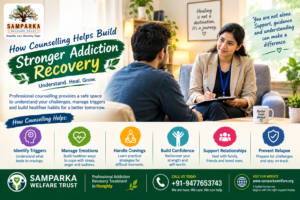
How Counselling Helps Build Stronger Addiction Recovery
Addiction rarely affects only physical health. It can influence emotions, relationships, confidence, decision-making, and everyday behaviour. Many people struggling with addiction understand that substance use is harming their lives, yet they may find it difficult to stop or remain consistent with recovery. This is where counselling becomes an important part of professional recovery. Addiction treatment is not simply about removing a substance from the body. Long-term recovery also requires understanding why addictive behaviours developed, recognising personal triggers, managing difficult emotions, and learning healthier ways to respond to stress. At Samparka Welfare Trust, counselling forms an important part of compassionate recovery support. Professional guidance can help individuals understand their challenges without judgment and gradually develop practical skills for a healthier future. Understanding the Role of Counselling in Addiction Recovery Counselling provides individuals with a safe environment where they can discuss thoughts, emotions, experiences, and recovery challenges openly. Addiction can sometimes be connected with stress, loneliness, trauma, anxiety, relationship difficulties, social pressure, or other emotional challenges. Without addressing these underlying factors, simply stopping substance use may not resolve the reasons that contributed to addictive behaviour. Professional counselling helps individuals explore these factors carefully. Therapists can help them identify patterns, understand emotional responses, and develop healthier coping strategies. For individuals seeking addiction recovery treatment in Hooghly, counselling can therefore become an important component of a structured recovery program. Identifying Personal Addiction Triggers Triggers are situations, emotions, people, places, or experiences that may increase cravings or encourage unhealthy behaviours. For one individual, stress at work may become a trigger. For another, a particular friendship, location, argument, or painful memory may create strong cravings. Counselling helps individuals recognise these personal patterns. During therapy, a person may begin asking: What situations increase my cravings? Which emotions are difficult for me to manage? What happens before I experience an urge? Which people or environments create pressure? How do I normally respond to stress? Understanding these patterns creates an opportunity to respond differently. Instead of reacting automatically, individuals can gradually learn to pause, recognise the trigger, and use healthier coping strategies. Learning Healthier Ways to Manage Emotions Many people use substances as a way of escaping uncomfortable emotions. Anger, sadness, anxiety, loneliness, frustration, or emotional exhaustion may become difficult to manage. Unfortunately, substance use may provide temporary relief while creating additional physical, emotional, and social problems. Counselling encourages healthier emotional management. Individuals may learn techniques such as: Recognising emotional warning signs Communicating feelings appropriately Managing stressful situations Developing relaxation strategies Practising healthy problem-solving Building emotional awareness Replacing destructive responses with constructive behaviours These skills can become valuable tools throughout recovery. Managing Cravings More Effectively Cravings can be one of the most challenging parts of addiction recovery. They may appear unexpectedly and become particularly strong during stressful situations. Counselling does not simply tell someone to “ignore” cravings. Instead, professional support helps individuals understand how cravings develop and identify strategies for managing them. A therapist may help an individual develop a personal plan that includes recognising early warning signs, avoiding high-risk situations, contacting supportive people, practising healthier distractions, and using learned coping techniques. Over time, these strategies can help individuals feel more prepared when difficult moments occur. Building Confidence During Recovery Addiction can significantly affect self-esteem. Repeated relapses, broken promises, damaged relationships, financial difficulties, or problems at work can leave individuals feeling guilty or hopeless. Some may begin believing that recovery is impossible. Counselling can provide a structured environment for rebuilding confidence gradually. Recovery does not require perfection. Instead, individuals can learn to recognise progress, understand setbacks, and focus on practical improvements. Small achievements can become meaningful milestones. Attending therapy consistently, managing a difficult craving, communicating honestly, or maintaining a healthy routine can all contribute to rebuilding confidence. Individual Counselling and Personalised Recovery Every person’s addiction journey is different. Their substance-use history, emotional experiences, relationships, triggers, and recovery goals may also differ. This is why personalised counselling can be valuable. Individual sessions allow therapists to understand the specific challenges affecting a person. Treatment strategies can then be adjusted according to individual needs and progress. At Samparka Welfare Trust, compassionate guidance focuses on creating a supportive environment where individuals can discuss their experiences openly and work toward practical recovery goals. Professional addiction recovery treatment in Hooghly can combine counselling with other appropriate recovery services to address different aspects of addiction. The Importance of Group Counselling Individual counselling is not the only form of therapeutic support. Group sessions can also provide valuable experiences during recovery. Being surrounded by people facing similar challenges can reduce feelings of isolation. Group counselling may help individuals: Share experiences Learn from others Develop communication skills Receive encouragement Understand different recovery perspectives Build accountability Feel less alone Listening to another person’s recovery experience may also help individuals recognise patterns in their own lives. A supportive group environment can encourage honesty and remind individuals that seeking help is not something they need to feel ashamed about. Family Counselling and Relationship Healing Addiction can affect spouses, parents, children, siblings, and close friends. Communication may become difficult after repeated conflicts, broken trust, or financial and emotional stress. Family counselling can help loved ones understand addiction and communicate more constructively. It can also help families learn how to provide support while maintaining appropriate boundaries. Instead of focusing only on blame, counselling encourages conversations around understanding, responsibility, communication, and recovery. Rebuilding trust takes time, but professional guidance can help families approach the process more constructively. Counselling and Relapse Prevention Recovery continues beyond the initial treatment period. Individuals eventually return to everyday environments where they may encounter stress, social pressure, emotional challenges, or familiar triggers. Counselling can help prepare individuals for these situations. A relapse-prevention plan may include identifying high-risk situations, recognising early warning signs, developing emergency coping strategies, maintaining supportive relationships, and continuing appropriate professional care. The objective is to help individuals become better prepared for challenges rather than assuming that recovery will always be easy. When Should Someone Consider Counselling? Professional counselling can be considered when addiction begins affecting daily life,
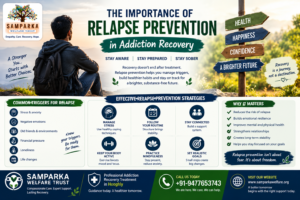
The Importance of Relapse Prevention in Addiction Recovery
Addiction recovery does not end when detoxification is completed or when a person leaves a rehabilitation program. Recovery is a continuing journey that requires awareness, patience, emotional strength, and consistent support. One of the most important parts of this journey is relapse prevention. Many people believe that completing treatment automatically means addiction has been permanently overcome. However, returning to familiar environments, stressful situations, unhealthy relationships, or emotional triggers can create challenges even after significant progress has been made. Without proper preparation, these situations may increase the risk of returning to substance use. Relapse prevention helps individuals understand their personal triggers and develop healthier ways to respond to difficult situations. Professional addiction recovery treatment in Hooghly can provide the structured guidance, counselling, and support needed to build these skills. At Samparka Welfare Trust, recovery is viewed as a long-term process rather than a temporary achievement. With compassionate guidance, practical coping strategies, and continued encouragement, individuals can become better prepared to protect their recovery and build a healthier future. What Is Relapse Prevention? Relapse prevention is a structured approach that helps individuals maintain recovery after addiction treatment. It involves identifying situations that may increase cravings and learning how to manage them without returning to addictive behaviours. Recovery can become challenging when individuals experience stress, loneliness, conflict, financial difficulties, emotional pain, or social pressure. These situations can bring back memories and cravings associated with substance use. Relapse prevention does not mean living in fear of relapse. Instead, it means becoming prepared. Individuals learn to recognise warning signs before they develop into serious problems. They also develop practical strategies for handling cravings, managing emotions, maintaining healthy routines, and seeking support when necessary. Professional addiction recovery treatment in Hooghly can help individuals create personalised relapse prevention plans based on their circumstances, history, triggers, and recovery goals. Why Relapse Prevention Matters Completing detoxification is an important achievement, but detox primarily addresses physical dependence. Long-term recovery also requires changes in thoughts, behaviours, relationships, and daily routines. Without continued attention to these areas, old habits may gradually return. Relapse prevention helps individuals: Recognise personal triggers Understand early warning signs Manage cravings more effectively Develop healthier coping mechanisms Maintain emotional stability Build supportive relationships Avoid high-risk environments Establish healthy daily routines Prepare for stressful situations Seek professional help when necessary A strong relapse prevention strategy gives individuals practical tools they can use outside the structured treatment environment. Samparka Welfare Trust encourages individuals and families to understand that recovery requires ongoing commitment. Every positive choice contributes toward a stronger and more stable recovery journey. Understanding Common Relapse Triggers Triggers are situations, emotions, people, places, or experiences that can increase the desire to return to substance use. Triggers differ from person to person. Something that creates difficulty for one individual may have little effect on another. Stress and Anxiety Stress is one of the most common challenges during recovery. Workplace pressure, financial concerns, family conflicts, or personal responsibilities can create emotional exhaustion. Individuals who previously used substances to escape stress may experience strong cravings during difficult periods. Learning healthy stress-management techniques can reduce this risk. Exercise, breathing exercises, counselling, mindfulness, hobbies, and supportive conversations can provide healthier alternatives. Negative Emotions Sadness, anger, loneliness, frustration, guilt, and disappointment can become powerful triggers. Recovery does not mean eliminating every negative emotion. Instead, individuals need to learn how to experience difficult emotions without returning to harmful behaviours. Therapy can help individuals understand emotional patterns and develop healthier responses. People and Social Environments Certain friendships or social environments may be strongly connected to previous substance use. Meeting people who continue using substances or returning to places associated with addiction can increase vulnerability. During early recovery, maintaining healthy boundaries can be extremely important. Individuals may need to avoid certain environments while developing greater emotional stability. Financial and Relationship Problems Financial difficulties and relationship conflicts can create significant emotional pressure. When problems appear overwhelming, individuals may experience cravings or thoughts of returning to old coping mechanisms. Relapse prevention encourages individuals to address these challenges gradually rather than attempting to solve everything at once. Recognising the Early Warning Signs Relapse often does not happen suddenly. There may be emotional and behavioural warning signs before substance use actually occurs. Recognising these signs early can provide an opportunity to seek help. Possible warning signs include: Increasing isolation Irritability or unusual mood changes Missing counselling or support sessions Returning to unhealthy friendships Romanticising previous substance use Ignoring healthy routines Losing interest in recovery activities Increasing stress without seeking support Experiencing frequent cravings Believing that occasional substance use would be harmless Avoiding conversations about emotional difficulties These warning signs should not automatically be interpreted as failure. They can instead be viewed as signals that additional support may be required. Professional addiction recovery treatment in Hooghly can help individuals recognise these patterns and respond before they become more serious. Building Healthy Coping Strategies One of the central goals of relapse prevention is replacing unhealthy coping mechanisms with healthier alternatives. During addiction, substances may become a way of dealing with stress, trauma, loneliness, or emotional pain. Recovery requires developing different ways of responding to those experiences. Exercise and Physical Activity Regular physical activity can support healthier routines and provide a constructive way to manage stress. Walking, stretching, yoga, sports, or other suitable activities can become part of a structured recovery lifestyle. Mindfulness and Relaxation Mindfulness can help individuals become more aware of their thoughts and emotions without immediately reacting to them. Breathing exercises, meditation, and relaxation practices may help individuals manage stressful moments more constructively. Healthy Sleep Poor sleep can affect mood, concentration, energy, and emotional resilience. Maintaining a consistent sleep schedule can therefore become an important part of a healthy recovery routine. Hobbies and Meaningful Activities Recovery creates an opportunity to rediscover interests that may have been neglected during addiction. Reading, music, art, gardening, sports, learning new skills, or volunteering can provide positive ways to spend time. Healthy activities can also strengthen confidence and create a greater sense of purpose. The Importance
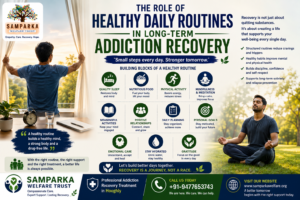
The Role of Healthy Daily Routines in Long-Term Addiction Recovery
Recovery from addiction involves more than avoiding substances or changing one particular behaviour. It requires rebuilding everyday life from the ground up. Sleep patterns, eating habits, physical activity, social connections, responsibilities, and emotional routines can all influence how a person feels and responds to difficult situations. During addiction, daily life can become unpredictable. Meals may be skipped, sleep may become irregular, responsibilities may be ignored, and healthy activities may gradually disappear. As recovery begins, rebuilding these patterns can create a greater sense of stability. A healthy routine does not guarantee recovery by itself. Professional care, counselling, medical guidance, and relapse-prevention strategies remain important. However, a structured lifestyle can complement professional addiction recovery treatment in Hooghly and help individuals maintain healthier habits over time. At Samparka Welfare Trust, recovery is approached as a journey toward a healthier and more stable life. Developing positive routines can help individuals regain confidence, manage stress, improve emotional well-being, and create meaningful goals for the future. Understanding the Importance of Routine in Recovery Addiction can disrupt almost every part of everyday life. A person may begin sleeping at unusual hours, missing meals, avoiding responsibilities, withdrawing from healthy relationships, or spending most of the day focused on obtaining or using substances. Over time, these patterns can become deeply established. Recovery creates an opportunity to rebuild these habits. A predictable daily schedule can provide structure when life previously felt chaotic. Knowing when to wake up, eat, attend therapy, exercise, rest, and complete responsibilities can reduce unnecessary uncertainty. Routine can also create accountability. Instead of allowing the day to become dominated by cravings or negative thoughts, individuals can gradually fill their time with meaningful and healthy activities. Professional addiction recovery treatment in Hooghly can provide the foundation for this process, while daily routines help individuals apply healthier behaviours consistently. How Addiction Can Disrupt Everyday Habits Addiction often affects lifestyle patterns gradually. Sleep may become irregular because substance use interferes with normal rest. Meals may become less important as substance use takes priority. Physical activity can decrease because motivation and energy levels change. Work, education, household responsibilities, and social commitments may also be neglected. These changes can create a cycle. Poor sleep may increase irritability. Irregular eating may affect energy. Lack of physical activity may reduce emotional well-being. Social isolation may increase loneliness. Stress may then make unhealthy coping mechanisms more tempting. Breaking this cycle requires patience. Recovery does not mean changing everything overnight. Small, realistic improvements can gradually create a healthier foundation. A structured rehabilitation environment can help individuals begin establishing these habits while receiving professional guidance. Starting the Day With Purpose The beginning of the day can influence how the rest of the day feels. During active addiction, mornings may be associated with cravings, exhaustion, anxiety, or uncertainty. Establishing a healthier morning routine can gradually create a different pattern. A simple morning routine might include waking at a consistent time, drinking water, maintaining personal hygiene, eating breakfast, and spending a few minutes preparing mentally for the day. Some individuals may also benefit from light stretching, walking, breathing exercises, or quiet reflection. The objective is not to create a perfect schedule. The objective is to create consistency. Completing a few positive activities every morning can create a sense of achievement. Over time, these small accomplishments can strengthen confidence and motivation. Individuals receiving addiction recovery treatment can work with professionals to determine which routines are realistic for their circumstances. The Connection Between Sleep and Recovery Sleep plays an important role in physical and emotional well-being. Addiction can significantly disturb normal sleep patterns. Some individuals may sleep excessively, while others may struggle with insomnia or frequent nighttime waking. Poor sleep can affect concentration, mood, energy, and decision-making. A healthier sleep routine can therefore become an important part of lifestyle recovery. Going to bed and waking up at relatively consistent times can help establish regularity. Reducing unnecessary screen exposure before bedtime, creating a comfortable sleeping environment, and avoiding excessive caffeine late in the day may also support healthier sleep habits. Individuals experiencing significant sleep problems should discuss them with qualified healthcare professionals rather than relying on self-medication. A professional rehabilitation program can help identify lifestyle factors affecting sleep while ensuring that medical concerns receive appropriate attention. Nutrition and Physical Well-Being Healthy nutrition is another important component of rebuilding everyday life. During addiction, eating patterns may become irregular. Some individuals may skip meals, rely heavily on processed foods, or experience changes in appetite. A balanced diet can support general physical well-being during recovery. Regular meals can also create structure throughout the day. Instead of eating only when hunger becomes extreme, individuals can gradually establish consistent meal times. Nutrition plans should be appropriate to individual health requirements. Professional guidance may be particularly important for people recovering from prolonged substance use or dealing with other health conditions. Hydration is also important. Drinking sufficient fluids throughout the day can support normal physical functioning. However, individual medical needs vary, so people with specific health concerns should follow professional advice. Recovery is not about following an extreme diet. It is about developing sustainable habits that support overall wellness. Physical Activity and Emotional Wellness Exercise can become a meaningful part of a healthy recovery lifestyle. Physical activity can provide structure, encourage healthier habits, and create an opportunity to focus attention on something positive. Exercise does not have to mean intense workouts. Walking, stretching, yoga, swimming, cycling, or other enjoyable activities can be appropriate depending on an individual’s health and fitness level. Starting with manageable activities can make consistency easier. For example, a short daily walk may be more sustainable than beginning an intense exercise program that quickly becomes difficult to maintain. Physical activity can also provide an alternative way to spend time during periods that previously revolved around substance use. Individuals receiving professional addiction recovery treatment in Hooghly can discuss appropriate physical activities with their healthcare or rehabilitation professionals. Building Productive Daily Activities Unstructured time can sometimes become challenging during recovery. When large parts of the day remain
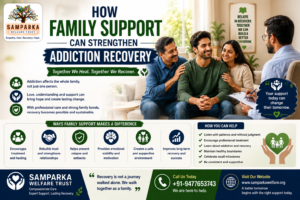
How Family Support Can Strengthen Addiction Recovery
Addiction rarely affects only one person. Its emotional impact often reaches parents, partners, children, siblings, and close friends. Families may experience fear, confusion, anger, guilt, and helplessness while watching someone they love struggle with addiction. During these difficult moments, families often ask an important question: “What can we do to help?” The answer begins with understanding. Recovery becomes stronger when individuals receive encouragement, professional guidance, and a supportive environment. Family involvement can motivate individuals to continue treatment, manage difficult emotions, and rebuild relationships damaged by addiction. However, supporting someone through recovery does not mean accepting unhealthy behaviour or ignoring personal boundaries. Families also need guidance to understand addiction, communicate effectively, and protect their own emotional well-being. A professional rehab centre in Hooghly can help individuals and families understand the recovery process while providing structured treatment and therapeutic support. At Samparka Welfare Trust, recovery is viewed as a journey that involves individuals, families, and communities. With compassion, patience, and professional support, families can become an important source of strength throughout recovery. Understanding the Role of Family in Addiction Recovery Family relationships can have a powerful influence on recovery. When individuals feel supported rather than judged, they may become more comfortable discussing their struggles and seeking help. Addiction often creates secrecy and emotional distance. People may hide substance use because they fear criticism or disappointment. Family members, meanwhile, may respond with anger because they feel hurt or helpless. This cycle can make communication increasingly difficult. Healthy family involvement begins with education. Understanding addiction as a complex condition helps family members replace blame with compassion and constructive support. A family does not need to become a therapist or medical professional. Instead, family members can provide encouragement, listen without unnecessary judgment, and support professional treatment recommendations. A rehab centre in Hooghly can also guide families regarding appropriate communication, treatment participation, and recovery planning. When families understand what recovery actually involves, expectations become more realistic and supportive. How Addiction Changes Family Relationships Addiction can gradually change the way family members interact with one another. Trust may decrease after repeated broken promises. Arguments may become more frequent. Financial difficulties can create additional stress. Parents may become overly protective, while partners may feel emotionally exhausted. Children can also experience confusion when family routines become unpredictable. These changes do not mean relationships cannot recover. However, rebuilding trust requires time and consistent effort. Family members should understand that recovery is not simply about stopping substance use. It also involves repairing communication, developing healthier routines, and addressing emotional wounds. Professional counselling can help families understand these relationship patterns. At Samparka Welfare Trust, structured support can encourage individuals and families to approach recovery with patience and realistic expectations. Why Family Support Matters During Treatment Professional treatment provides medical and psychological support, but encouragement from loved ones can provide an additional source of motivation. Recovery can become difficult when cravings, emotional stress, or setbacks occur. During these moments, individuals may feel discouraged or question whether change is possible. Positive family involvement can remind them that progress is valuable. Simple actions can make a meaningful difference: Listening without immediately criticising Encouraging treatment participation Respecting professional recommendations Celebrating healthy progress Maintaining supportive communication Avoiding unnecessary arguments Encouraging healthy daily routines Family support should not create pressure for instant recovery. Instead, the goal should be to encourage consistent progress. A professional rehab centre in Hooghly can help families understand how to provide meaningful support without interfering with the individual’s treatment process. The Importance of Rebuilding Trust Trust is often one of the biggest casualties of addiction. Repeated promises to stop, missed responsibilities, financial problems, or hidden substance use can make family members cautious. Even after treatment begins, relatives may struggle to believe that lasting change is possible. This is understandable. However, rebuilding trust cannot happen through promises alone. It usually develops through consistent actions over time. An individual in recovery can gradually rebuild trust by: Following treatment recommendations Communicating honestly Maintaining healthy routines Taking responsibility for past behaviour Avoiding high-risk situations Attending therapy and support sessions Demonstrating consistency in daily responsibilities Families can also contribute by recognising genuine progress. Trust does not need to return immediately. Small positive actions repeated consistently can gradually restore confidence within relationships. Building a Long-Term Recovery Plan Recovery does not end when a person completes a rehabilitation program. Long-term recovery often requires continued attention to emotional health, lifestyle, relationships, and relapse prevention. A strong recovery plan may include ongoing counselling, healthy routines, support groups, family involvement, regular medical follow-ups when appropriate, and strategies for managing triggers. Families can help by encouraging consistency rather than demanding perfection. Instead of asking, “Are you completely recovered yet?”, they can ask: “How can we support you today?” This shift can create a healthier recovery environment. Every positive decision contributes to long-term progress. How Samparka Welfare Trust Supports Recovery Recovery becomes easier when individuals know they do not have to face addiction alone. Samparka Welfare Trust believes that compassionate professional support can help individuals develop healthier coping mechanisms, rebuild confidence, and work toward greater emotional stability. Families also need understanding and guidance throughout the process. Professional rehabilitation can provide structured treatment, counselling, emotional support, recovery planning, and relapse-prevention guidance based on individual needs. The journey may not always be easy, but consistent support can make it more manageable. Final Thoughts Addiction can create pain across an entire family, but families can also become an important source of strength during recovery. Support does not mean ignoring harmful behaviour. It means encouraging treatment, maintaining healthy boundaries, rebuilding communication, and recognising progress. Recovery requires patience. Trust may take time to return. Emotional wounds may take time to heal. Setbacks may occur. But with professional guidance and consistent support, healthier relationships and a more stable future can become possible. If you or someone you love is struggling with addiction, seeking professional support can be an important first step. Samparka Welfare Trust is committed to supporting individuals and families through compassionate recovery guidance.
