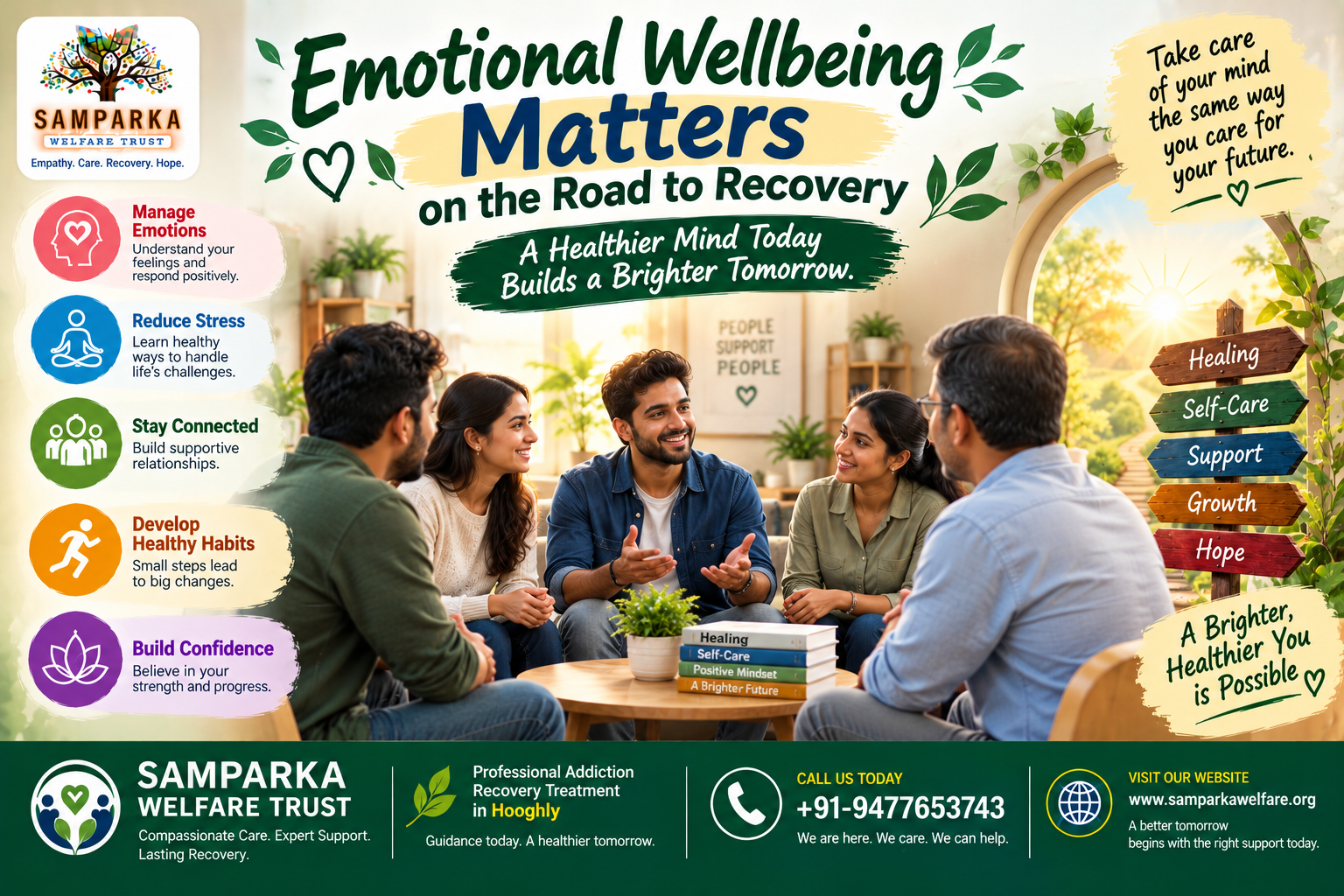
Addiction recovery is more than stopping substance use. It is a journey that involves rebuilding emotional stability, restoring confidence, developing healthier relationships, and learning to manage life’s challenges. While physical recovery is important, emotional wellbeing also plays a significant role in helping individuals move forward.
Many people experience anxiety, guilt, loneliness, frustration, or uncertainty during recovery. These feelings may become particularly difficult when individuals return to everyday responsibilities or face situations associated with their previous substance use. Without appropriate support, emotional distress can make recovery more challenging.
Understanding the connection between emotional wellbeing and addiction recovery can help individuals make informed decisions about their care. Professional addiction recovery treatment in Hooghly can provide guidance, counselling, and structured support to help people address emotional challenges alongside their recovery goals.
At Samparka Welfare Trust, we believe that compassionate care, emotional understanding, and professional guidance are important parts of building a healthier future.
Understanding Emotional Wellbeing During Addiction Recovery
Emotional wellbeing refers to the ability to recognise, understand, and manage emotions while responding to life’s challenges in healthy ways.
During addiction, individuals may experience changes in mood, motivation, relationships, and daily functioning. Some may use substances to cope with stress, painful memories, loneliness, or difficult emotions. Over time, these patterns can become increasingly difficult to manage independently.
Recovery creates an opportunity to develop healthier emotional responses.
Individuals can gradually learn to recognise their feelings, communicate their needs, manage stress, and respond to difficult situations without returning to harmful behaviours.
Emotional wellbeing does not mean feeling happy all the time. It means developing healthier ways to handle both positive and negative experiences.
Professional addiction recovery treatment can support this process through counselling, appropriate medical care, and personalised recovery planning.
Why Emotional Health Matters in Recovery
Emotional health can influence how individuals respond to cravings, relationships, responsibilities, and unexpected challenges.
When someone feels overwhelmed, isolated, or unable to manage stress, they may find it harder to follow their recovery plan. This does not mean emotional difficulties inevitably lead to relapse. Rather, these challenges highlight the importance of appropriate support.
Paying attention to emotional wellbeing can help individuals:
- Recognise stress and emotional triggers.
- Develop healthier coping strategies.
- Improve communication with family and friends.
- Build confidence and self-awareness.
- Establish supportive relationships.
- Manage difficult situations more constructively.
- Identify when additional professional help is needed.
For people seeking addiction recovery treatment in Hooghly, addressing emotional health alongside other treatment needs can help create a more comprehensive recovery approach.
Managing Stress Without Returning to Harmful Habits
Stress is a normal part of everyday life. Work responsibilities, financial concerns, family disagreements, and personal uncertainty can affect anyone.
During recovery, however, stress may feel particularly difficult when individuals are still developing healthier coping mechanisms.
Learning to recognise stress early is an important first step.
Some people benefit from taking a short walk, practising breathing exercises, listening to music, maintaining a journal, or talking with someone they trust. Others may find counselling helpful for understanding recurring stress patterns and developing practical responses.
Healthy routines can also provide stability. Regular sleep, balanced meals, physical activity, and meaningful daily activities may support general wellbeing.
These strategies are not substitutes for professional treatment when it is needed. Individuals experiencing persistent emotional distress should speak with a qualified healthcare professional.
The Role of Counselling in Emotional Healing
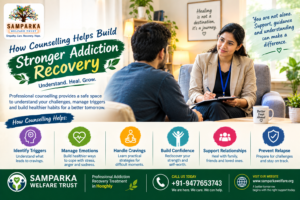
Counselling provides a supportive environment where individuals can discuss their experiences, concerns, and emotions without unnecessary judgment.
Addiction can sometimes be associated with unresolved trauma, anxiety, depression, relationship difficulties, or other psychological challenges. Counselling can help individuals explore these concerns and understand how they may influence behaviour.
Different therapeutic approaches may be appropriate for different people.
Individual counselling provides an opportunity to explore personal experiences, identify triggers, and develop coping strategies.
Group therapy allows individuals to learn from others, share experiences when comfortable, and reduce feelings of isolation.
Family counselling can help relatives improve communication, understand recovery challenges, and rebuild relationships affected by addiction.
A qualified professional can help determine which approaches are appropriate for an individual’s needs.
At Samparka Welfare Trust, compassionate support and an understanding of individual circumstances are important considerations when helping people work toward recovery.
Rebuilding Confidence and Self-Esteem
Addiction can affect how individuals view themselves. Past difficulties, strained relationships, financial problems, or repeated unsuccessful attempts to change may contribute to guilt and low self-esteem.
These feelings can make it difficult to believe that a healthier future is possible.
Rebuilding confidence usually takes time. Small, consistent achievements can help individuals recognise their progress.
For example, attending a counselling appointment, maintaining a healthy routine, communicating honestly, or completing an important responsibility can become meaningful milestones.
It is also important to recognise that setbacks do not erase previous progress.
Recovery is not a competition, and every individual’s journey develops differently. Comparing personal progress with someone else’s experience can create unnecessary pressure.
A healthier approach involves setting realistic goals, acknowledging improvements, and seeking support when challenges arise.
Developing Healthy Relationships
Emotional wellbeing is closely connected with the quality of our relationships.
Addiction may create misunderstandings, broken trust, emotional distance, or repeated conflict within families and friendships. These experiences can affect both the individual and the people who care about them.
Recovery provides an opportunity to develop healthier communication patterns.
Individuals can learn to express feelings more clearly, listen to others, respect boundaries, and take responsibility for their decisions.
Rebuilding trust requires patience. Family members may need time to feel comfortable again, and consistent actions are often more meaningful than promises alone.
Professional family counselling can help everyone understand their roles and responsibilities during recovery.
Supportive relationships should encourage progress without replacing professional care or ignoring harmful behaviour.
Learning to Recognise Emotional Triggers
An emotional trigger is an experience or situation that produces a strong emotional response. In addiction recovery, certain triggers may increase cravings or make unhealthy coping behaviours feel more tempting.
Triggers vary from person to person.
Examples may include loneliness, arguments, workplace pressure, memories of difficult experiences, or spending time in environments associated with previous substance use.
Recognising triggers can help individuals prepare for challenging situations.
Keeping a journal may help identify patterns between events, emotions, and reactions. Counselling can provide further guidance on understanding these patterns and developing appropriate responses.
For example, someone who notices increased stress after family disagreements may learn to pause before reacting, communicate more calmly, or seek support when necessary.
The purpose is not to avoid every difficult emotion. It is to learn healthier ways to respond to emotional experiences.
The Importance of Healthy Daily Habits
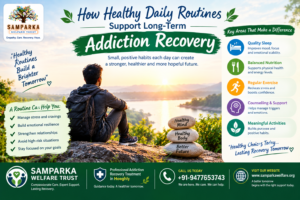
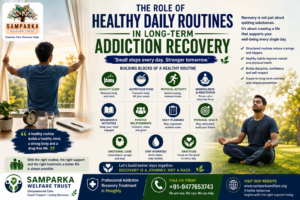
Daily habits can provide structure and support emotional stability during recovery.
When everyday life becomes unpredictable, maintaining basic routines can help individuals regain a sense of control.
Helpful habits may include:
- Following a consistent sleep schedule.
- Eating regular, balanced meals.
- Participating in suitable physical activities.
- Making time for relaxation.
- Staying connected with supportive people.
- Attending recommended counselling sessions.
- Pursuing meaningful hobbies or personal goals.
These habits should be realistic and adaptable. Trying to change everything at once can create unnecessary pressure.
Small improvements repeated consistently may be easier to maintain over time.
Healthy routines can complement professional addiction recovery treatment by providing practical ways to support everyday wellbeing.
Finding Purpose and Motivation Beyond Addiction
Recovery is not simply about avoiding substances. It can also be an opportunity to rediscover personal interests, develop new skills, rebuild relationships, and pursue meaningful goals.
Some individuals find purpose through employment or education. Others may enjoy creative activities, volunteering, exercise, gardening, or spending quality time with family.
Meaningful activities can provide structure and encourage individuals to focus on positive experiences.
Goals do not need to be large to matter. Learning something new, completing a household responsibility, or reconnecting with a supportive friend can represent valuable progress.
Over time, these experiences may help individuals develop a stronger sense of identity beyond their previous struggles.
Professional guidance can help people identify realistic goals that align with their interests, circumstances, and recovery needs.
How Families Can Support Emotional Wellbeing
Families can play an important role in creating a supportive recovery environment.
Listening without immediately criticising, encouraging professional care, and communicating respectfully can help individuals feel more comfortable discussing their challenges.
However, supporting someone does not mean taking responsibility for every aspect of their recovery.
Healthy boundaries remain important. Family members should also look after their own emotional wellbeing and seek guidance when addiction-related challenges become difficult to manage.
Families may benefit from learning about addiction, understanding emotional triggers, and recognising when professional assistance is necessary.
Family counselling can provide a structured environment for discussing concerns, improving communication, and identifying practical ways to support recovery.
Compassion and accountability can work together. Encouraging someone to seek help while maintaining appropriate boundaries can support healthier relationships.
When to Seek Professional Mental Health Support
Emotional difficulties should not always be dismissed as a normal part of recovery.
Professional assessment may be helpful when someone experiences persistent sadness, severe anxiety, significant changes in sleep, overwhelming emotional distress, difficulty functioning, or repeated challenges managing cravings.
Individuals with co-occurring mental health conditions may require coordinated care that addresses both addiction and mental health needs.
A qualified healthcare professional can assess the situation and recommend appropriate support.
If someone experiences severe withdrawal symptoms, thoughts of self-harm, or an immediate medical emergency, urgent professional assistance is essential.
Seeking help early can provide an opportunity to address concerns before they become more difficult to manage.
How Samparka Welfare Trust Supports the Recovery Journey
At Samparka Welfare Trust, recovery is understood as a journey that involves physical health, emotional wellbeing, personal relationships, and long-term stability.
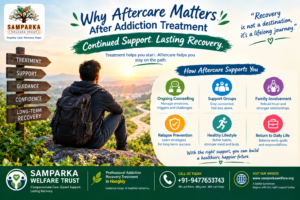
Professional addiction recovery treatment may include appropriate counselling, structured guidance, family involvement, and support for developing healthier coping strategies.
Every individual’s circumstances are different, so treatment should be tailored to their needs and guided by qualified professionals.
A compassionate environment can encourage individuals to discuss their experiences openly and take practical steps toward a healthier future.
For people and families seeking addiction recovery treatment in Hooghly, exploring suitable professional support can be an important first step toward understanding available options.
Conclusion: A Healthier Mind Supports a Healthier Future
Emotional wellbeing is an important part of addiction recovery. Learning to manage stress, recognise triggers, build confidence, maintain healthy relationships, and seek support can help individuals navigate the challenges of everyday life.
Recovery does not mean never experiencing sadness, anxiety, or frustration. It means gradually developing healthier ways to respond to these experiences while staying connected with appropriate care and support.
With personalised treatment, compassionate guidance, and consistent effort, individuals can work toward greater emotional stability and a more meaningful life.
Samparka Welfare Trust encourages individuals and families to approach recovery with patience, understanding, and hope.
If you or someone you care about is struggling with addiction, consider seeking professional guidance rather than facing the challenges alone.