Completing treatment marks a powerful victory, but the story does not end there. Graduation from a rehabilitation centre often feels like crossing a finish line. Surprisingly, it is also the beginning of a new race. Freedom returns, yet so do everyday pressures. Familiar places suddenly carry new meanings. Old habits may attempt a quiet comeback. Excitement and uncertainty frequently arrive together. Long-term recovery demands commitment beyond the walls of a rehab centre.
Daily choices shape future outcomes. Strong support systems, healthy routines, and emotional awareness become essential tools. This guide explores practical strategies for maintaining sobriety, managing challenges, and building a fulfilling life after treatment.
Understanding the Transition From Rehab to Everyday Life
Leaving a rehab centre can bring both excitement and anxiety. During treatment, individuals follow a structured environment designed to support recovery. Returning home means facing responsibilities, relationships, and situations that may have contributed to substance use in the past. The first few months often feel overwhelming because routines change and temptations can reappear unexpectedly.
Many people encounter emotional triggers such as stress, loneliness, boredom, or frustration. Environmental triggers, including certain places, people, or social gatherings, can also increase cravings. Understanding these challenges helps individuals prepare for them effectively.
It is important to recognize the difference between sobriety and recovery. Sobriety means abstaining from substances, while recovery involves creating a healthier lifestyle and mindset. Setting realistic expectations is equally important. Recovery does not happen overnight. Progress takes time, patience, and consistent effort. Small victories matter and contribute to long-term success. Every positive step strengthens confidence and supports a healthier future.
Build a Strong Support Network
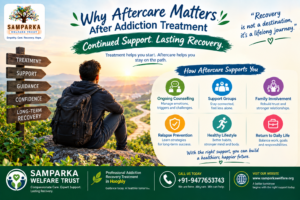
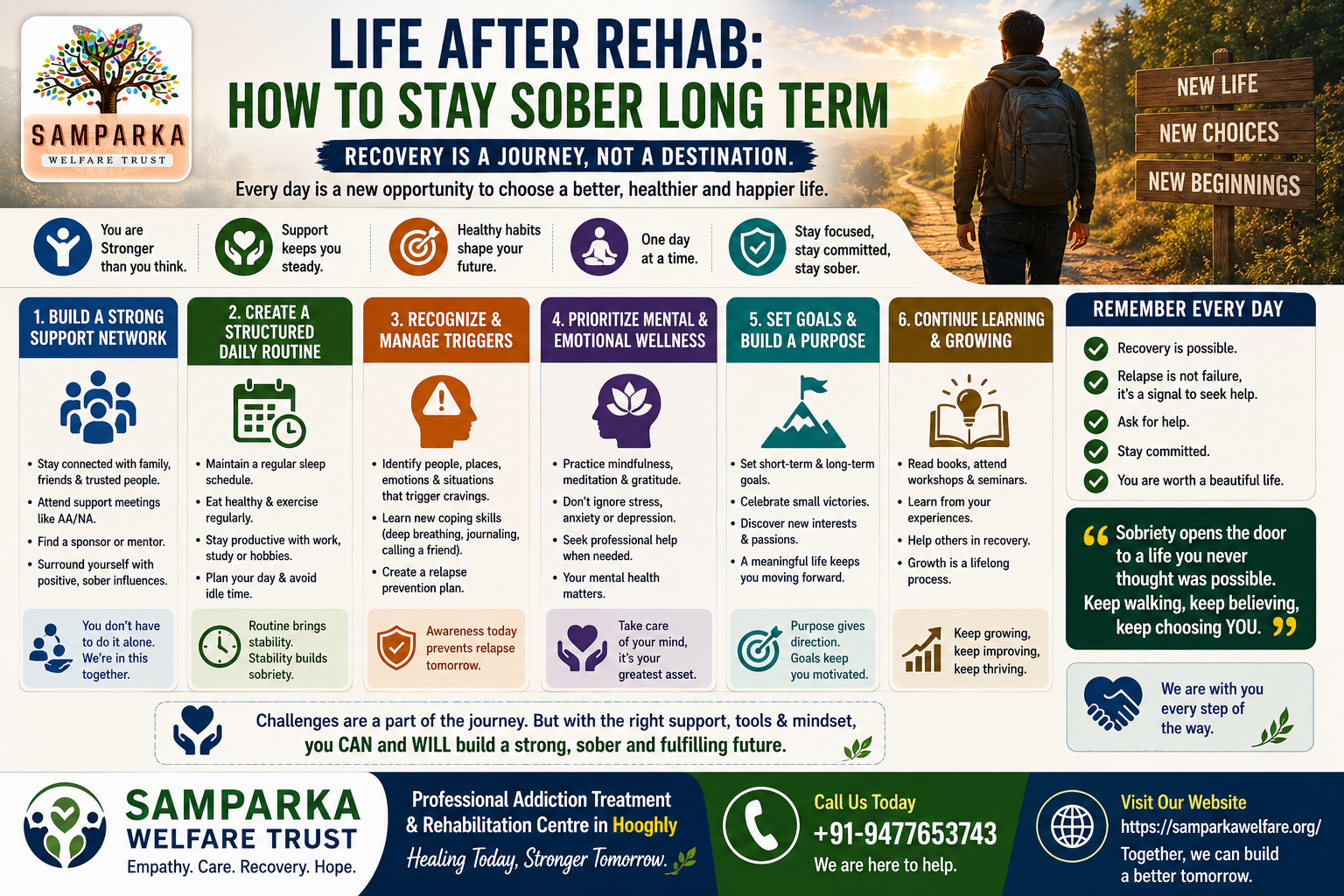
A strong support network plays a critical role in maintaining long-term sobriety. Recovery becomes more manageable when trusted people offer encouragement, understanding, and accountability. Family members, close friends, sponsors, therapists, and peer groups can provide valuable guidance during difficult moments.
Support meetings and recovery communities create safe spaces where individuals can share experiences and learn from others facing similar challenges. These groups help reduce feelings of isolation and remind people that they are not alone in their journey. Regular interaction with supportive individuals can strengthen motivation and reinforce healthy habits.
Accountability also helps prevent relapse. Knowing that someone is checking in can encourage better decision-making during stressful situations. At the same time, it is essential to establish boundaries with people who encourage unhealthy behaviors or substance use. Surrounding yourself with positive influences promotes growth and stability. Healthy relationships create a strong foundation for recovery and make it easier to navigate life’s challenges with confidence and resilience.
Create a Structured Daily Routine
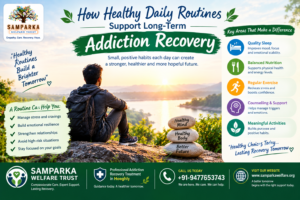
Consistency is one of the most powerful tools for maintaining sobriety after leaving a rehabilitation centre in Hooghly. A structured daily routine provides stability and reduces uncertainty, helping individuals stay focused on recovery goals. Without a plan, idle time can create opportunities for cravings and unhealthy behaviors to develop.
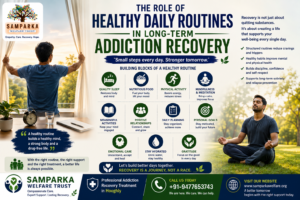
Healthy habits should form the foundation of each day. Regular sleep schedules improve mood and energy levels. Balanced meals support physical and mental wellness. Exercise helps reduce stress and boosts overall health. Productive work, education, or personal projects can provide purpose and direction.
A recovery-friendly routine might include waking up at the same time daily, exercising in the morning, attending support meetings, completing work responsibilities, and dedicating time to relaxation or hobbies. Planning activities throughout the day keeps the mind engaged and productive. Over time, these positive habits become part of a healthier lifestyle. A structured routine creates predictability, strengthens self-discipline, and supports lasting recovery.
Learn to Recognize and Manage Triggers
Understanding personal triggers is essential for protecting long-term sobriety. Triggers are situations, emotions, people, or environments that increase the desire to use substances. Emotional triggers may include stress, anger, sadness, anxiety, or loneliness. Social triggers often involve gatherings where substances are present. Environmental and situational triggers can include specific locations, events, or routines associated with past substance use.
Recognizing warning signs early can prevent relapse. Increased cravings, mood swings, isolation, and romanticizing past substance use are common indicators that additional support may be needed. Awareness allows individuals to respond before challenges escalate.
Practical coping strategies can reduce the impact of triggers. Deep breathing exercises, calling a trusted friend, attending support meetings, or leaving high-risk environments can help manage cravings effectively. Developing a relapse prevention plan provides clear steps to follow during difficult moments. Preparation builds confidence and reduces uncertainty. The ability to identify and address triggers proactively strengthens recovery and promotes long-term success.
Prioritize Mental and Emotional Wellness
Mental and emotional wellness plays a vital role in maintaining recovery. Many individuals experience stress, anxiety, depression, or other emotional challenges after completing treatment. Ignoring these issues can increase the risk of relapse, making ongoing self-care essential.
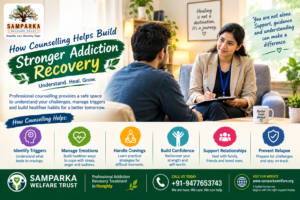
Therapy and counseling provide valuable opportunities to address underlying concerns and develop healthier coping skills. Professional guidance helps individuals process emotions, improve communication, and navigate life changes more effectively. Continued support can strengthen resilience and encourage long-term growth.
Mindfulness practices such as meditation, deep breathing, and journaling can reduce stress and improve emotional awareness. These techniques help individuals stay present and respond thoughtfully rather than react impulsively. Self-care activities, including spending time in nature, reading, exercising, or connecting with loved ones, also contribute to emotional balance.
Healthy emotional processing involves acknowledging feelings instead of avoiding them. Recovery becomes stronger when individuals learn to manage challenges constructively. Prioritizing mental wellness supports both sobriety and overall quality of life.
Develop Healthy Coping Mechanisms
Replacing substance use with healthy coping mechanisms is essential for sustainable recovery. Life will always present challenges, but positive coping strategies help individuals navigate difficulties without returning to harmful behaviors. Developing these skills creates a stronger foundation for long-term success.
Physical activity remains one of the most effective outlets for stress and emotional tension. Exercise improves mood, boosts confidence, and supports overall well-being. Creative hobbies such as painting, writing, music, or photography provide healthy ways to express emotions and stay engaged. Volunteering can also create a sense of purpose while fostering meaningful connections with others.
Building resilience involves learning how to adapt to setbacks and stressful situations. Rather than viewing challenges as failures, individuals can use them as opportunities for growth and self-improvement. Recovery often becomes more fulfilling when people discover new interests and passions.
Finding purpose beyond addiction strengthens motivation and commitment. Meaningful activities contribute to personal growth and help individuals create a rewarding life centered on health, achievement, and fulfillment.
Avoid High-Risk Situations
Avoiding high-risk situations is an important strategy for maintaining sobriety. Certain environments, social circles, or activities may increase the likelihood of cravings and relapse. Identifying these risks allows individuals to make informed decisions that support recovery goals.
Social events where alcohol or drugs are present can be particularly challenging. Planning ahead helps reduce stress and uncertainty. Individuals may choose to attend with a supportive friend, limit their time at the event, or decline invitations when necessary. Protecting recovery should always remain a priority.
Learning to say no confidently is another valuable skill. Clear and respectful communication helps establish boundaries without creating unnecessary conflict. Most importantly, individuals should never feel pressured to compromise their recovery for social acceptance.
Creating an exit plan provides additional security. Having transportation, a trusted contact, or a prepared excuse can make it easier to leave uncomfortable situations quickly. Making thoughtful choices about people and environments helps protect sobriety and strengthens long-term recovery outcomes.
Focus on Physical Health and Wellness
Physical health and recovery are closely connected. The body and mind work together, making overall wellness an important part of maintaining sobriety after leaving a rehabilitation centre. Healthy lifestyle choices can improve mood, reduce stress, and support emotional stability.
Proper nutrition provides the body with essential nutrients needed for healing and recovery. Balanced meals help regulate energy levels and support cognitive function. Staying hydrated also contributes to better physical and mental performance throughout the day.
Regular exercise offers numerous benefits for individuals in recovery. Physical activity reduces anxiety, improves sleep quality, boosts self-esteem, and releases natural chemicals that enhance mood. Even simple activities such as walking, cycling, or yoga can make a significant difference.
Sleep is equally important. Poor sleep can increase irritability, stress, and cravings. Establishing a consistent bedtime routine promotes restorative rest and better daily functioning. Prioritizing physical wellness strengthens recovery efforts and helps individuals maintain the energy and focus needed for long-term success.
Prepare for Setbacks Without Giving Up
Recovery is a lifelong process, and setbacks can occur along the way. Experiencing challenges does not mean failure. Understanding that recovery is not always linear helps individuals remain committed during difficult periods. Progress often includes learning from mistakes and continuing forward.
It is important to understand the difference between a lapse and a relapse. A lapse may involve a brief return to substance use, while a relapse represents a more significant return to previous patterns. Recognizing this distinction can prevent feelings of hopelessness and encourage immediate corrective action.
When cravings intensify, seeking support should become a priority. Contacting a sponsor, therapist, trusted friend, or support group can provide guidance and encouragement. Revisiting coping strategies and recovery goals can also help restore focus.
Early intervention is crucial. Addressing concerns before they escalate often prevents larger setbacks. Every challenge presents an opportunity to strengthen recovery skills. Persistence, self-awareness, and support can help individuals overcome obstacles and continue building a healthier future.
Set Long-Term Recovery Goals
Long-term recovery becomes more meaningful when individuals establish clear and achievable goals. Purpose-driven goals provide direction, motivation, and a sense of accomplishment. They also help shift focus away from addiction and toward personal growth.
Goals may involve career advancement, educational achievements, improved relationships, financial stability, or personal development. Breaking larger goals into smaller milestones makes progress easier to measure and celebrate. Each accomplishment reinforces confidence and commitment to recovery.
Tracking progress can provide valuable insights into growth over time. Journals, goal planners, or recovery apps can help individuals monitor achievements and identify areas for improvement. Recognizing positive changes encourages continued effort and resilience.
Celebrating recovery milestones is equally important. Acknowledging achievements reminds individuals of how far they have come since leaving a rehabilitation centre. Long-term recovery is about more than avoiding substances. It involves building a fulfilling, meaningful life filled with healthy relationships, a sense of purpose, and opportunities for continued growth.
Final Thoughts
Long-term sobriety is achievable with dedication, support, and consistent effort. Success after a rehabilitation centre depends on building strong relationships, maintaining healthy routines, understanding triggers, and prioritizing overall wellness. Recovery requires self-awareness, structure, accountability, and positive coping strategies. Challenges may arise, but they do not define the journey. Every day offers an opportunity to grow stronger and move closer to personal goals.
Recovery is not about perfection; it is about progress and persistence. If additional support is needed, consider joining a recovery group or speaking with a professional. Organizations such as Samparka Welfare Trust can provide guidance and encouragement throughout the recovery journey.