Recovery timelines spark curiosity, fear, and endless confusion. “So… how long until I’m ‘recovered’?” echoes in many minds. Answers rarely sound simple, and that uncertainty feels frustrating. Quick fixes tempt people searching for relief and clarity. Reality often challenges those expectations in unexpected ways. Addiction recovery treatment does not follow a predictable schedule.
Every journey unfolds differently, shaped by unique experiences. Some progress quickly, while others move through gradual transformation. Hope grows stronger when expectations become realistic. Understanding timelines begins with accepting complexity, not chasing shortcuts.
What Do We Mean by ‘Recovery’?
Recovery means far more than simply quitting a substance. It involves rebuilding a stable and meaningful life. Addiction recovery treatment focuses on healing the body, mind, and emotions together.
Physical recovery restores strength, sleep, and overall health over time. Mental healing improves clarity, focus, and decision-making abilities. Emotional recovery addresses trauma, stress, and unresolved pain. People learn healthier coping mechanisms instead of relying on substances. Relationships often need repair and rebuilding during this phase.
Recovery also includes rediscovering purpose and personal identity. It is not a single milestone or final destination. Instead, it is an ongoing journey of growth, awareness, and self-improvement that evolves daily.
The Myth of a Fixed Timeline
Many believe addiction recovery follows a strict and predictable timeline. Programs promising quick results often reinforce this misconception. Statements like “30 days and you’re cured” create unrealistic expectations. Addiction recovery treatment in Kolkata varies greatly depending on individual circumstances.
Each person’s history, health, and environment influence progress differently. Some recover quickly in certain areas but struggle in others. Others may require longer periods for deep emotional healing.
Chronic conditions often require ongoing care and monitoring. Recovery sometimes becomes a lifelong commitment to wellness and stability. Accepting flexibility in timelines reduces frustration and disappointment. Real progress comes from consistency, not speed or rigid deadlines.
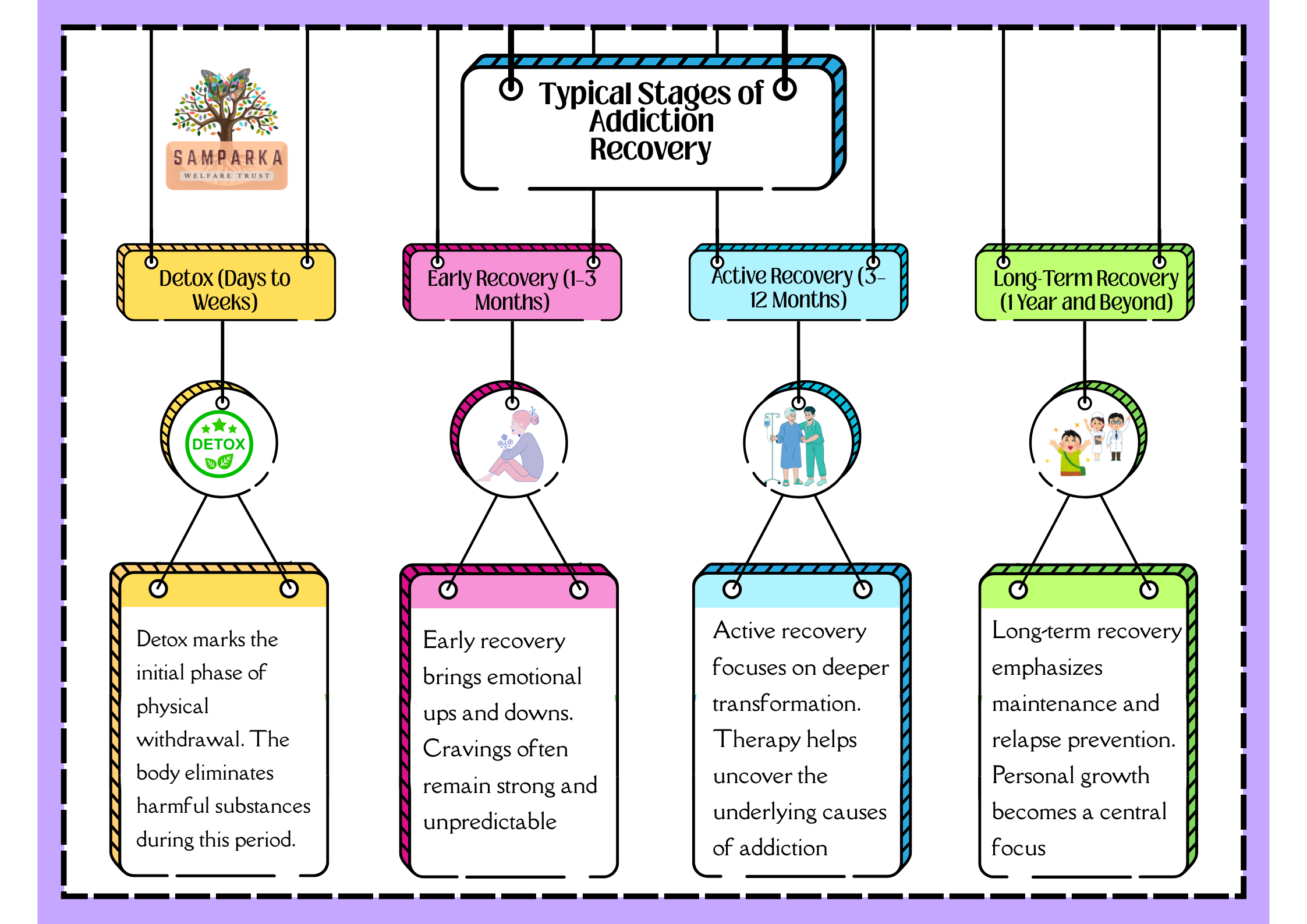
Typical Stages of Addiction Recovery
Addiction recovery treatment generally progresses through several key stages. Each stage plays a critical role in long-term success.
- Detox (Days to Weeks)
Detox marks the initial phase of physical withdrawal. The body eliminates harmful substances during this period. Symptoms can range from mild discomfort to severe complications. Medical supervision ensures safety and significantly reduces health risks. - Early Recovery (1–3 Months)
Early recovery brings emotional ups and downs. Cravings often remain strong and unpredictable. Individuals begin learning coping strategies to manage triggers. Support systems become essential during this vulnerable stage. - Active Recovery (3–12 Months)
Active recovery focuses on deeper transformation. Therapy helps uncover the underlying causes of addiction. Individuals rebuild routines and develop healthier habits. Confidence gradually grows as stability improves. - Long-Term Recovery (1 Year and Beyond)
Long-term recovery emphasizes maintenance and relapse prevention. Personal growth becomes a central focus. Individuals rebuild identity, relationships, and life goals. Progress continues as recovery becomes part of daily living.
Factors That Influence Recovery Time
Several factors determine how long recovery may take. Addiction recovery treatment outcomes depend on the type of substance used. Certain substances create stronger physical and psychological dependence.
Duration and severity of addiction also play a major role. Long-term use often requires extended recovery periods. Co-occurring mental health conditions can slow progress significantly. Anxiety, depression, or trauma may need simultaneous treatment.
Support systems greatly influence the success and speed of recovery. Family, therapy, and community encouragement improve outcomes. Environment and lifestyle also shape recovery experiences. Stressful or triggering surroundings can delay progress. Stable, supportive environments help individuals maintain consistency and motivation throughout their journey.
Why Recovery Often Takes Longer Than Expected
Recovery often feels slower than people initially expect. Addiction recovery treatment involves complex biological and psychological processes.
Brain chemistry needs time to stabilize after prolonged substance use. Neural pathways gradually adjust to healthier patterns. Behavioral habits built over the years do not disappear quickly. Individuals must consciously replace harmful routines with positive actions. Emotional healing often takes longer than physical recovery.
Unresolved trauma and stress require careful attention and therapy. Patience becomes essential during this phase. Progress may seem invisible at times, but meaningful change steadily continues beneath the surface.
Relapse: Does It Reset the Clock?
Relapse forms part of many recovery journeys. It does not erase previous progress or efforts. Addiction recovery treatment in Kolkata recognizes relapse as a learning opportunity. Individuals can identify triggers and improve coping strategies.
Viewing relapse as failure often leads to discouragement and withdrawal. Instead, it should encourage reflection and adjustment. Recovery remains a continuous process, not a single event.
Many people achieve lasting success after experiencing setbacks. Support systems play a crucial role during these moments. With proper guidance, individuals can return stronger and more aware. Growth often emerges from understanding mistakes and making better choices moving forward.
What Progress Actually Looks Like
Progress in recovery rarely appears dramatic or immediate. Addiction recovery treatment often produces subtle yet meaningful improvements.
Better sleep patterns signal physical and mental healing. Emotional stability gradually replaces frequent mood swings. Relationships begin to rebuild through trust and communication. Individuals develop healthier responses to stress and challenges. Small wins accumulate into significant long-term change.
Expecting rapid transformation can lead to disappointment. Realistic expectations help maintain motivation and consistency. Progress includes learning, adapting, and improving daily habits. Each positive step, no matter how small, contributes to a stronger and healthier future over time.
How to Support the Recovery Process
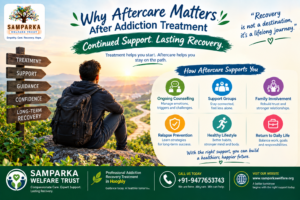
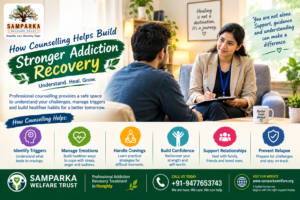
Supporting recovery requires consistent effort and structured guidance. Addiction recovery treatment benefits greatly from therapy and support groups. Professional help provides tools for managing triggers and emotions.
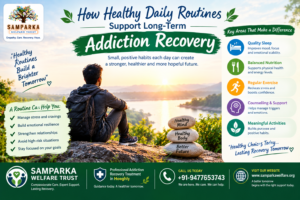
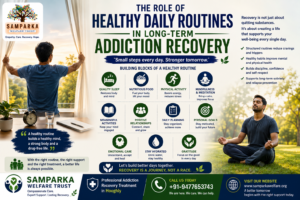
Establishing daily routines creates stability and reduces uncertainty. Healthy habits play a vital role in long-term success. Proper sleep, balanced nutrition, and regular exercise strengthen resilience. Avoiding high-risk environments reduces the chances of relapse. Building a supportive network encourages accountability and motivation. Friends and family can offer emotional strength during difficult moments. Recovery becomes more sustainable when individuals actively engage in positive and structured lifestyle changes.
When Does Recovery ‘End’?
Recovery rarely has a clear or final endpoint. Addiction recovery treatment evolves into a lifelong commitment for many individuals. Instead of focusing on an “end,” individuals shift toward continuous growth.
Maintenance becomes part of daily routines and decisions. Personal development continues long after initial recovery stages. Individuals learn to navigate challenges without returning to harmful patterns.
Recovery transforms into a way of living rather than a temporary phase. This perspective reduces pressure and promotes long-term stability. Growth, awareness, and balance define success in recovery journeys.
Recovery timelines vary, but progress always matters more than speed. Addiction recovery treatment supports individuals through unique and personal journeys. Comparing timelines often leads to unnecessary frustration.
Each step forward represents meaningful growth and resilience. Patience plays a crucial role in long-term success. Consistency builds stronger habits and healthier perspectives over time. Setbacks do not define the outcome of recovery.
Persistence and support create lasting transformation. Focusing on progress helps individuals stay motivated and hopeful. Recovery becomes achievable when individuals commit to steady and mindful improvement every day. Here comes the role of Samparka Welfare Trust. Call us now to know how addiction recovery treatment works.