Addiction is a condition where a person becomes dependent on a substance despite knowing its harmful effects. It slowly takes control over the mind, behavior, and daily life. Whether it is drug use or alcohol consumption, addiction doesn’t just affect the individual. It deeply impacts families, relationships, careers, and overall well-being. In cities like Kolkata, where social drinking is often normalized and drug exposure is quietly rising, the problem is closer to home than we think.
Many people assume all addictions are the same, but that’s not entirely true. Drug addiction and alcohol addiction differ in several ways, from how they affect the body to how quickly dependency develops. Understanding these differences can help individuals and families make informed decisions and seek the right addiction treatment at the right time.
This blog aims to break down these differences in a simple, relatable way, so you can better recognize the signs and take the first step toward recovery.
What is Drug Addiction?
Drug addiction refers to the compulsive use of substances such as opioids, stimulants, cannabis, or prescription medications, even when they cause harm. It alters brain chemistry, making it difficult for a person to control their cravings and behavior. Over time, the brain starts depending on the substance to function normally.
Common drugs include opioids like heroin, stimulants like cocaine, and even certain painkillers that are easily available in local pharmacies. In many parts of India, misuse of prescription drugs has become a growing concern, especially among young adults.
Dependency usually begins casually, perhaps for stress relief or peer pressure, but gradually becomes a habit. The body builds tolerance, meaning higher doses are needed to feel the same effect. This cycle traps individuals, making it harder to quit without professional help. Recognizing early signs is crucial to prevent long-term damage.
What is Alcohol Addiction?
Alcohol addiction, also known as alcohol use disorder, occurs when a person cannot control their drinking habits despite negative consequences. Unlike drugs, alcohol is socially accepted, which often makes the problem harder to identify early.
Signs include frequent drinking, inability to stop after one drink, mood swings, neglecting responsibilities, and using alcohol as a coping mechanism. In many Bengali households, occasional drinking during celebrations is common, but when it becomes a daily escape, it signals a deeper issue.
Alcohol addiction develops gradually. What starts as casual social drinking can turn into dependency over months or years. The body adapts to regular intake, and stopping suddenly may cause withdrawal symptoms like anxiety, tremors, or irritability. Because alcohol is easily accessible, the risk of unnoticed addiction is higher. Early awareness and timely intervention can make a significant difference in recovery outcomes.
Key Differences Between Drug Addiction and Alcohol Addiction
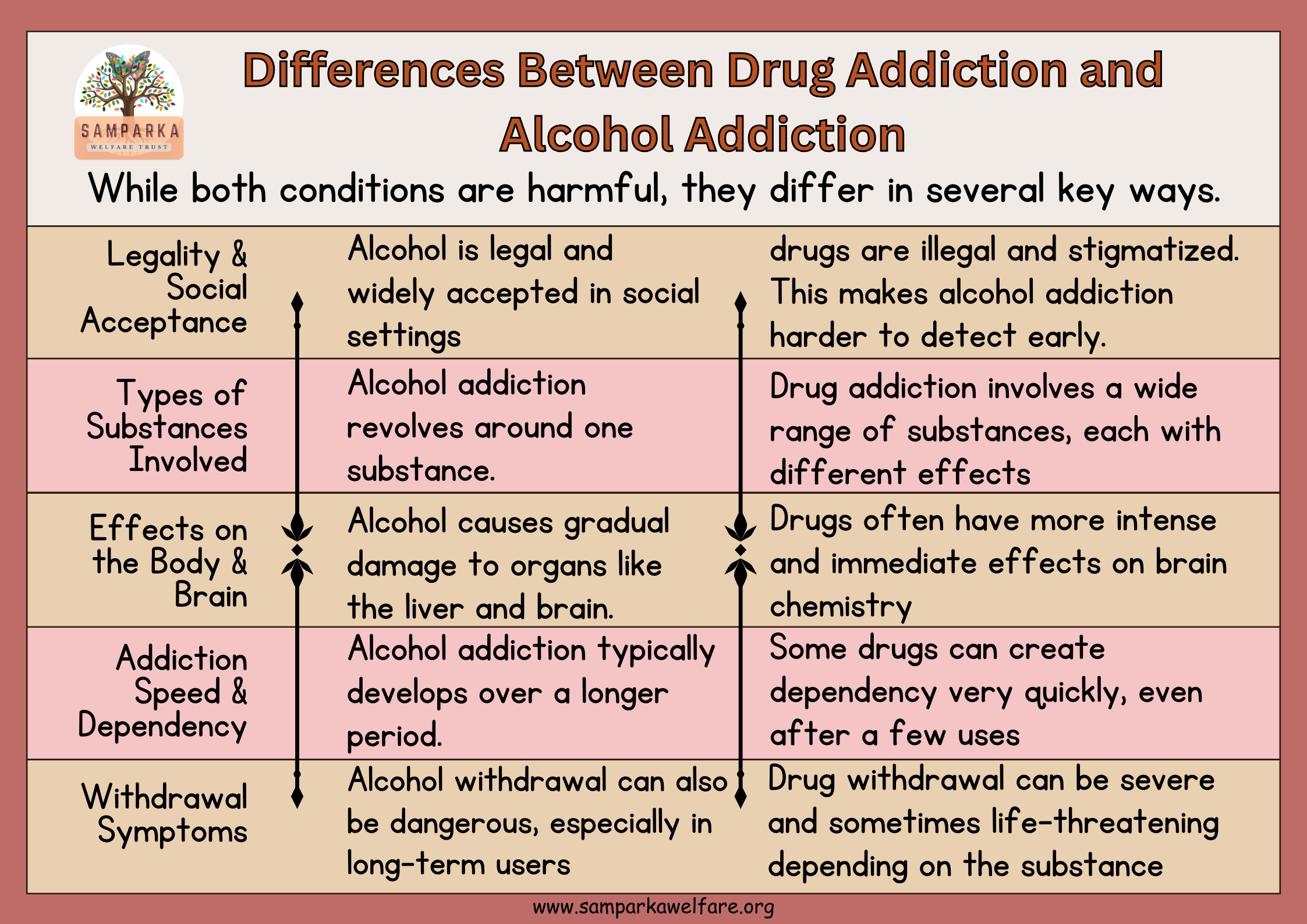
While both conditions are harmful, they differ in several key ways.
Legality & Social Acceptance: Alcohol is legal and widely accepted in social settings, whereas most drugs are illegal and stigmatized. This makes alcohol addiction harder to detect early.
Types of Substances Involved: Drug addiction involves a wide range of substances, each with different effects, while alcohol addiction revolves around one substance.
Effects on the Body & Brain: Drugs often have more intense and immediate effects on brain chemistry, while alcohol causes gradual damage to organs like the liver and brain.
Addiction Speed & Dependency: Some drugs can create dependency very quickly, even after a few uses. Alcohol addiction typically develops over a longer period.
Withdrawal Symptoms: Drug withdrawal can be severe and sometimes life-threatening, depending on the substance. Alcohol withdrawal can also be dangerous, especially in long-term users.
Accessibility & Availability: Alcohol is easily available in local shops, while drugs are usually accessed through illegal channels, making patterns of use different.
Similarities You Shouldn’t Ignore
Despite their differences, drug and alcohol addiction share many similarities that cannot be overlooked.
Both involve strong psychological dependency. The individual feels an emotional and mental need for the substance, often using it to escape stress, anxiety, or personal struggles. This makes quitting extremely challenging without support.
Health consequences are serious in both cases. Long-term use can lead to organ damage, mental health issues, and an increased risk of life-threatening conditions. Whether it’s liver disease from alcohol or neurological damage from drugs, the impact is severe.
Addiction also affects relationships and careers. Families often suffer silently, and professional life takes a hit due to decreased productivity and reliability. In many local communities, this can lead to social isolation.
Most importantly, both require professional intervention. Self-control alone is rarely enough. Seeking timely addiction treatment in Kolkata can help individuals regain control and rebuild their lives with the right guidance and care.
Causes and Risk Factors
Addiction does not happen overnight. It is influenced by multiple factors that vary from person to person.
Genetic factors play a role, as some individuals may be more prone to addiction due to family history. This means the risk can be higher if addiction runs in the family.
Environmental influences are equally important. Growing up in an environment where substance use is common can normalize the behavior. In urban areas like Kolkata, exposure to stress, nightlife culture, and easy availability increases vulnerability.
Mental health conditions such as depression, anxiety, or trauma often lead individuals to seek temporary relief through substances. Over time, this coping mechanism turns into dependency.
Peer pressure and lifestyle choices also contribute significantly. Young adults, especially college students, may experiment due to social influence, not realizing the long-term consequences. Understanding these risk factors helps in early identification and prevention.
Treatment Options
Recovery is possible with the right support system and structured approach.
Detoxification is usually the first step, where the body is cleared of harmful substances under medical supervision. This process can be challenging but is essential for recovery.
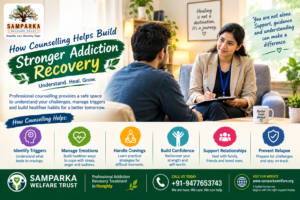
Therapy and counseling help address the psychological aspects of addiction. Techniques like cognitive behavioral therapy guide individuals in changing harmful thought patterns and behaviors.
Rehabilitation programs provide a structured environment where individuals can focus entirely on recovery. These programs are especially helpful for those with severe dependency.
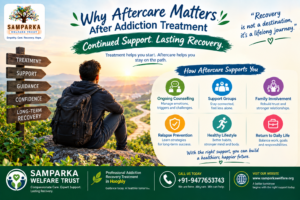
Support groups play a crucial role in long-term recovery. Sharing experiences with others facing similar challenges creates a sense of belonging and motivation.
Organizations like Samparka Welfare Trust focus on holistic care, combining medical support with emotional guidance to ensure sustainable recovery for individuals and families.
Which is More Dangerous?
There is no simple answer to this question. Both drug and alcohol addiction can be equally dangerous depending on the situation.
Certain drugs may cause immediate and severe effects, increasing the risk of overdose. On the other hand, alcohol, when consumed excessively over time, can lead to chronic health issues and long-term damage.
The level of danger also depends on frequency, quantity, and the individual’s physical and mental health. For example, someone drinking heavily every day may face risks similar to someone using drugs regularly.
Social factors also play a role. Because alcohol is more socially accepted, its dangers are often underestimated. In contrast, drug addiction may be identified earlier due to its stigma.
Instead of comparing, it is more important to focus on the impact and take timely action. Recognizing the severity of any addiction and seeking help early can prevent serious consequences.
Prevention Strategies
Prevention starts with awareness. Educating individuals, especially young people, about the risks of substance use is the first step toward reducing addiction rates.
Early intervention is crucial. Identifying warning signs such as behavioral changes or increased substance use can help address the issue before it worsens. Families and communities play a key role here.
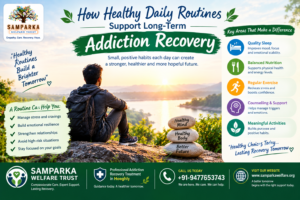
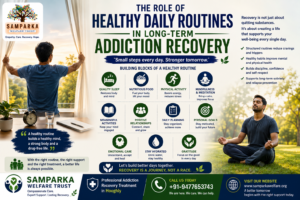
Healthy coping mechanisms are essential in today’s fast-paced life. Encouraging activities like exercise, hobbies, and open communication can reduce the need to use substances for stress relief.
Community support systems, including local organizations and counseling centers, can create a safer environment in which individuals can seek help without fear of judgment.
By promoting awareness and building supportive environments, we can reduce the risk of addiction and help individuals lead healthier, more fulfilling lives.
Drug addiction and alcohol addiction may differ in their nature, but both have serious consequences that cannot be ignored. While drugs often lead to rapid dependency, alcohol addiction develops gradually but can be equally harmful.
Understanding these differences and similarities helps recognize the problem early and choose the right path to recovery. Addiction is not just a personal struggle. It affects families, relationships, and communities.
Seeking help is not a sign of weakness but a step toward a better life. If you or someone you care about is struggling, reaching out to a trusted organization like Samparka Welfare Trust can make all the difference.
Recovery is possible, and every step you take today brings you closer to a healthier, happier tomorrow.