Life can sometimes become emotionally overwhelming. Work pressure, family responsibilities, financial concerns, relationship difficulties, and personal struggles can affect how people think, feel, and behave. Even when someone appears confident on the outside, they may be dealing with challenges that are difficult to express.
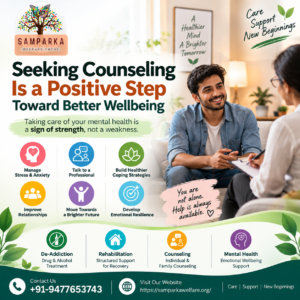
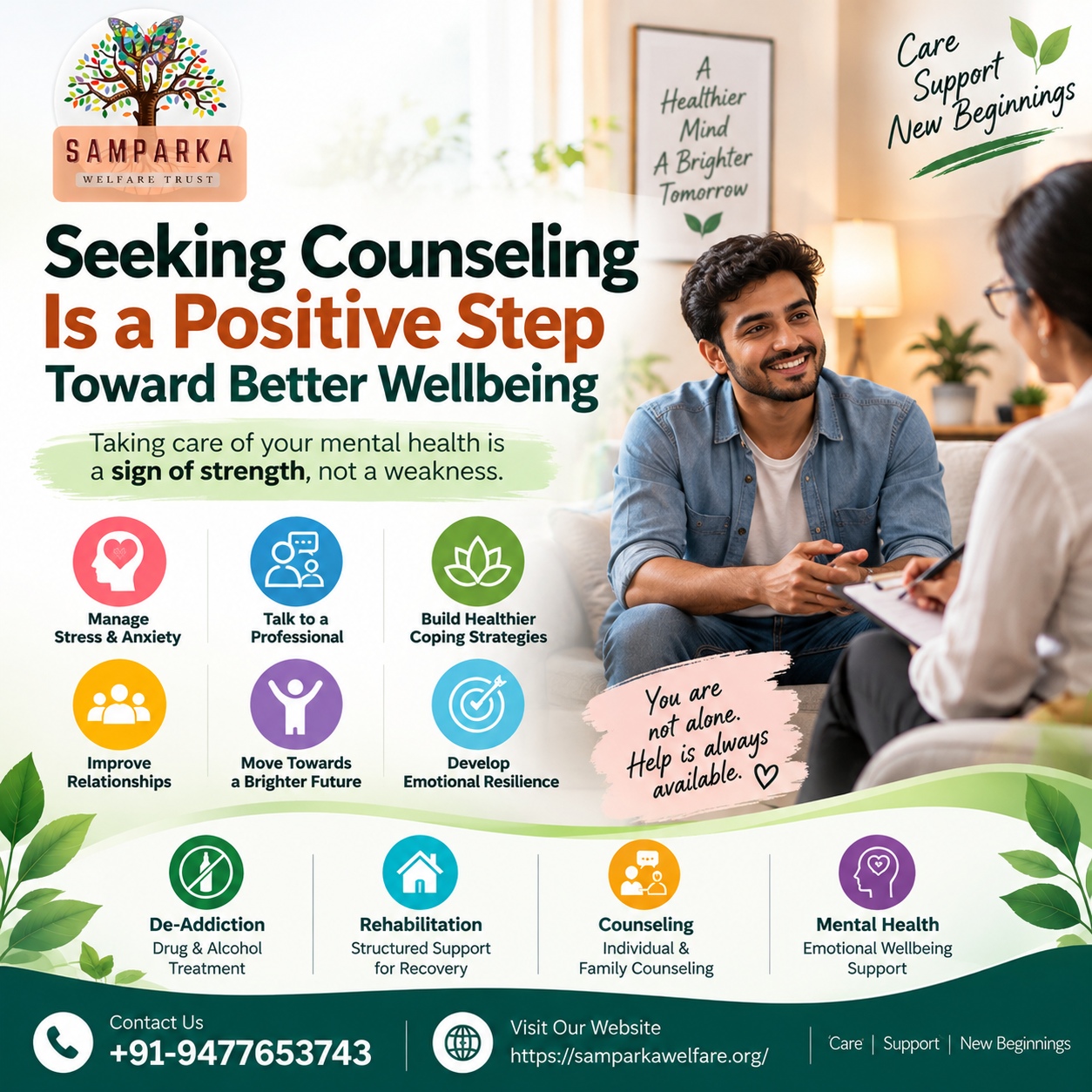
Many people hesitate to seek counselling because they believe they should manage their problems independently. Others worry about being judged or misunderstood. However, asking for help is not a sign of weakness. It is a positive step toward understanding emotions, developing healthier coping strategies, and improving overall wellbeing.
Counselling provides a supportive environment where individuals can discuss their concerns, explore possible solutions, and learn to manage difficult situations more effectively.
At Samparka Welfare Trust, we believe that emotional wellbeing deserves attention, compassion, and appropriate professional support. Whether someone is experiencing everyday stress, relationship difficulties, or challenges related to addiction, seeking guidance can be an important beginning toward a healthier future.
Understanding What Counselling Really Means
Counselling is a professional process that helps individuals explore their thoughts, emotions, behaviours, and personal challenges in a supportive setting.
A trained counsellor listens carefully, asks relevant questions, and helps individuals understand their experiences from different perspectives. Rather than simply telling someone what to do, counselling encourages self-awareness and supports informed decision-making.
People seek counselling for many different reasons. Some want help managing stress, while others need support with grief, anxiety, family conflicts, low self-esteem, or major life changes.
Counselling can also play an important role in addiction recovery by helping individuals understand emotional triggers, recognise unhealthy patterns, and develop practical coping skills.
For individuals seeking addiction recovery treatment in Hooghly, professional counselling can complement other appropriate treatment services and support long-term recovery goals.
Why Seeking Counselling Is a Sign of Strength
Society sometimes encourages people to hide emotional difficulties and remain strong regardless of their circumstances. This expectation can make it difficult to admit when support is needed.
However, ignoring emotional concerns does not necessarily make them disappear.
Unaddressed stress can affect sleep, concentration, relationships, motivation, and everyday responsibilities. Over time, individuals may find themselves feeling increasingly overwhelmed.
Seeking counselling demonstrates a willingness to understand these difficulties rather than continuing to struggle alone.
It takes courage to discuss personal concerns openly. It also takes strength to recognise that professional guidance may provide tools and perspectives that are difficult to develop independently.
Counselling is not limited to people experiencing severe emotional distress. It can also help individuals improve self-awareness, navigate life transitions, strengthen relationships, and develop healthier habits.
Taking the first step can make it easier to address concerns before they become more difficult to manage.
How Counselling Supports Emotional Wellbeing
Emotional wellbeing involves recognising feelings, managing stress, maintaining meaningful relationships, and responding constructively to life’s challenges.
Counselling can support these abilities in several ways.
Understanding Your Emotions
Sometimes, people experience sadness, frustration, anger, or anxiety without fully understanding what causes these feelings.
Counselling can help individuals identify emotional patterns and explore the experiences contributing to their reactions.
Greater awareness can make it easier to recognise feelings early and respond more thoughtfully.
Developing Healthy Coping Strategies
Everyone encounters difficult situations. What matters is how those situations are managed.
Counsellors may help individuals explore strategies such as problem-solving, relaxation techniques, healthy communication, setting boundaries, and seeking appropriate support.
These skills can help people respond more constructively to stressful experiences.
Building Self-Confidence
Negative experiences, criticism, personal setbacks, and relationship difficulties can affect self-esteem.
Counselling provides an opportunity to examine unhelpful thought patterns and recognise personal strengths.
Over time, individuals may develop a more balanced understanding of themselves and become more confident in making decisions.
Improving Everyday Functioning
Emotional difficulties can sometimes interfere with work, education, family responsibilities, and personal goals.
Counselling can help individuals identify obstacles, establish realistic goals, and develop practical strategies for managing everyday challenges.
Progress may happen gradually, but small improvements can contribute to meaningful changes in overall wellbeing.
Counselling for Stress and Anxiety
Stress is a natural response to demanding circumstances. However, persistent stress can become difficult to manage when responsibilities accumulate or problems remain unresolved.
Anxiety may also affect concentration, sleep, confidence, and social interactions.
Counselling can help individuals understand the situations that contribute to these experiences and identify healthier ways to respond.
For example, someone experiencing workplace pressure may benefit from learning how to prioritise responsibilities, communicate concerns, and establish appropriate boundaries.
A person dealing with family conflict may explore ways to express feelings calmly and approach difficult conversations more constructively.
Counselling does not remove every source of stress, but it can help individuals develop practical tools for navigating challenging circumstances.
When symptoms are persistent or significantly affect daily life, a qualified mental health professional can assess whether additional treatment may be appropriate.
The Role of Counselling in Addiction Recovery
Addiction can affect physical health, emotional stability, relationships, finances, and personal responsibilities. It may also be connected with stress, trauma, social pressure, or difficulties managing uncomfortable emotions.
Although stopping substance use is an important part of recovery, lasting improvement often requires attention to the psychological and behavioural factors associated with addiction.
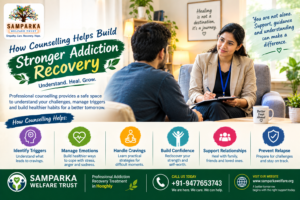
Counselling can help individuals recognise the circumstances that contribute to cravings and unhealthy behaviours.
Through professional guidance, individuals may learn to identify triggers, manage difficult emotions, improve decision-making, and develop healthier coping mechanisms.
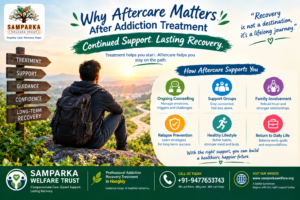
Counselling can also support relapse-prevention planning by helping individuals recognise warning signs and prepare for challenging situations.
For people seeking addiction recovery treatment in Hooghly, counselling may form part of a broader treatment plan that includes medical assessment, appropriate treatment, rehabilitation support, and continued follow-up.
The most suitable approach depends on the individual’s needs and should be determined with qualified professionals.
Different Types of Counselling
Counselling can take different forms depending on the challenges a person is experiencing and the goals they want to achieve.
Individual Counselling
Individual counselling involves one-to-one sessions with a counsellor or qualified mental health professional.
It provides a private setting to discuss personal concerns, emotional difficulties, behavioural patterns, and recovery goals.
This approach may be useful for people who prefer focused attention and personalised guidance.
Family Counselling
Family relationships can be affected by misunderstandings, emotional distance, conflict, and addiction-related challenges.
Family counselling provides an opportunity for relatives to discuss concerns, improve communication, and understand one another’s perspectives.
It can also help families develop healthier boundaries and more constructive ways of supporting a loved one.
Group Counselling
Group counselling brings together individuals who may be facing similar challenges.
With appropriate professional guidance, participants can share experiences, learn from different perspectives, and develop communication skills.
Group settings may also help reduce feelings of isolation by showing individuals that others face comparable difficulties.
Addiction Counselling
Addiction counselling focuses on the emotional, psychological, and behavioural aspects of substance-related or other addictive behaviours.
It may involve identifying triggers, understanding patterns of use, developing coping strategies, and preparing for recovery challenges.
Depending on the situation, addiction counselling may be combined with medical care and other evidence-based treatments.
How to Know When You May Need Counselling
People sometimes postpone counselling because they believe their problems are not serious enough to justify professional attention.
However, seeking help early can be useful when emotional concerns begin affecting everyday life.
You may consider counselling if you experience:
- Persistent stress or feelings of being overwhelmed
- Frequent sadness, worry, or irritability
- Difficulty managing emotions
- Repeated conflicts in personal relationships
- Low confidence or negative self-perception
- Changes in sleep or concentration
- Difficulty adjusting to major life changes
- Unhealthy coping behaviours
- Challenges associated with addiction or recovery
- A feeling that your usual coping strategies are no longer working
You do not need to wait until a situation becomes a crisis before asking for help.
If symptoms are severe, persistent, or interfering significantly with daily functioning, a qualified professional can help determine what kind of support may be appropriate.
Overcoming Common Misconceptions About Counselling
Misunderstandings about counselling can prevent people from accessing support when they need it.
Myth 1: Counselling is only for people with serious mental health conditions.
Counselling can support people dealing with everyday stress, personal decisions, relationships, life transitions, and emotional difficulties, as well as those experiencing more significant concerns.
Myth 2: Seeking counselling means someone is weak.
Recognising the need for support demonstrates self-awareness and a willingness to address challenges constructively.
Myth 3: A counsellor will judge personal experiences.
Professional counselling aims to provide a respectful and supportive environment. Individuals can ask about confidentiality and how their information is handled before beginning sessions.
Myth 4: One session will solve every problem.
Counselling is a process, and progress varies depending on individual needs, circumstances, and treatment goals.
Myth 5: Asking for help means losing control over personal decisions.
Counselling generally encourages individuals to understand their options, develop insight, and make informed decisions. It is a collaborative process rather than a replacement for personal responsibility.
Understanding these facts can help people approach counselling with greater confidence.
How to Prepare for Your First Counselling Session
Beginning counselling may feel unfamiliar, especially when someone has never discussed personal concerns with a professional before.
A little preparation can make the experience more comfortable.
Start by thinking about what has been troubling you and what you hope to understand or improve. You do not need to organise every thought perfectly before attending.
It may help to consider the following questions:
- What concerns have been affecting me recently?
- When did I first notice these difficulties?
- How are they influencing my daily life?
- What would I like to change or understand?
- What kind of support would feel helpful?
It is also acceptable to feel nervous or uncertain during the first session.
You can ask the counsellor about their approach, qualifications, confidentiality practices, and what the process may involve.
Being honest about your experiences helps the professional understand your circumstances and discuss suitable next steps.
The Importance of a Supportive Environment
A supportive environment can make it easier for individuals to discuss sensitive concerns.
People often benefit from being listened to without unnecessary criticism or assumptions. Feeling respected can encourage honest communication and make it easier to explore difficult experiences.
Outside counselling, supportive relationships can also contribute to emotional wellbeing.
Friends, family members, and trusted individuals may provide encouragement, practical assistance, and a sense of connection.
However, personal support and professional counselling serve different purposes. When emotional concerns require specialist attention, qualified professional guidance remains important.
For individuals recovering from addiction, a structured and compassionate environment can be especially valuable because it encourages people to seek assistance when challenges arise.
Small Daily Habits That Complement Counselling
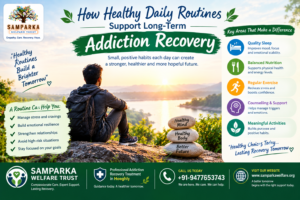
Counselling can help individuals understand their concerns, while healthy daily habits can support the practical application of what they learn.
Consider incorporating manageable activities into your routine.
Maintain regular sleep: A consistent sleep schedule can support general wellbeing and everyday functioning.
Stay physically active: Walking or engaging in suitable physical activity may help reduce stress and improve overall health.
Make time for relaxation: Quiet activities, hobbies, breathing exercises, or mindfulness practices may help create moments of calm.
Stay connected: Meaningful conversations with supportive people can reduce feelings of isolation.
Set realistic goals: Breaking large responsibilities into smaller tasks can make daily challenges feel more manageable.
Recognise progress: Acknowledging small improvements can encourage motivation and confidence.
These habits are not substitutes for professional treatment, but they may complement counselling and contribute to a healthier lifestyle.
How Samparka Welfare Trust Encourages Better Wellbeing
At Samparka Welfare Trust, compassionate support is an important part of helping individuals and families navigate addiction-related challenges and recovery.
Seeking help can feel difficult when someone is worried about judgment, stigma, or how others may respond. A respectful and supportive approach can encourage people to discuss their concerns and explore suitable care options.
Professional counselling and appropriate addiction recovery services can help individuals work toward healthier coping strategies, improved communication, and greater emotional awareness.
For those seeking addiction recovery treatment in Hooghly, it is important to explore suitable services and consult qualified professionals about the treatment and support needed for their circumstances.
Recovery and emotional wellbeing are personal journeys. Individuals deserve to be treated with dignity, patience, and understanding throughout the process.
Conclusion: Taking the First Step Toward Better Wellbeing
Seeking counselling is a positive decision that can open the door to greater self-understanding, healthier relationships, and more effective ways of managing life’s challenges.
It allows individuals to explore their emotions, recognise unhelpful patterns, develop coping strategies, and work toward realistic personal goals.
Counselling is not a sign that someone has failed to manage life independently. It is a constructive way to access guidance when additional support may be helpful.
Whether someone is managing everyday stress, navigating relationship difficulties, or seeking addiction recovery treatment in Hooghly, asking for help can be an important step toward positive change.
At Samparka Welfare Trust, we encourage individuals and families to approach wellbeing with compassion and an open mind.
You do not need to have every answer before seeking support. Sometimes, the most meaningful change begins with a simple decision to talk, listen, and take the next step.
Better wellbeing begins with understanding yourself and recognising that you do not have to face every challenge alone.
Contact Samparka Welfare Trust
If you or someone you care about needs guidance regarding addiction recovery and related support, reach out to discuss appropriate next steps.