Addiction recovery does not end when a person completes a rehabilitation program. Finishing detox, therapy, or residential treatment is an important milestone, but returning to everyday life can bring new challenges. Familiar surroundings, stressful situations, old relationships, and emotional triggers may test the progress made during treatment.
This is why aftercare is such an important part of addiction recovery treatment in Hooghly. It provides continued guidance after structured rehabilitation and helps individuals gradually adjust to life outside a treatment environment.
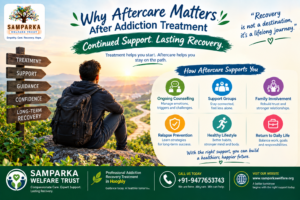
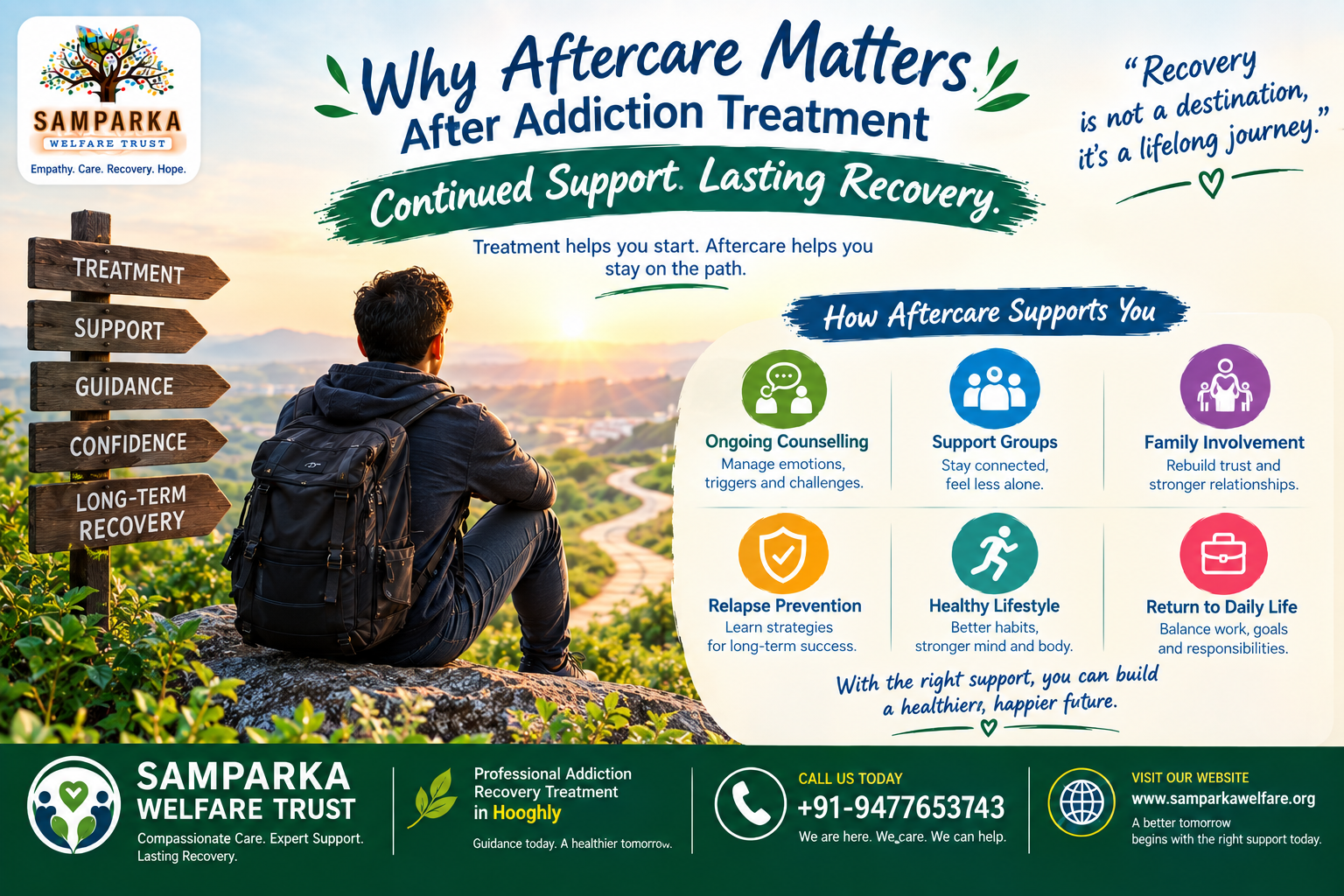
At Samparka Welfare Trust, recovery is viewed as an ongoing journey rather than a single event. Continued counselling, family involvement, healthy routines, and relapse-prevention planning can help individuals maintain the progress they have achieved.
What Is Aftercare in Addiction Recovery?
Aftercare refers to the ongoing support provided after the primary phase of addiction treatment has been completed. It can include counselling, follow-up appointments, support groups, family sessions, wellness activities, and relapse-prevention planning.
During residential treatment, individuals often follow a structured routine. They may have regular therapy sessions, professional supervision, peer support, and carefully planned daily activities. Returning home means many of these external structures change.
Aftercare helps bridge this transition.
For individuals receiving addiction recovery treatment in Hooghly, continued support can provide an opportunity to discuss new challenges before they become overwhelming. Instead of waiting until a crisis develops, individuals can continue working on their emotional health, coping skills, and recovery goals.
Aftercare plans should also be personalised because every person’s recovery journey is different.
Why Recovery Continues After Rehabilitation
Completing rehabilitation does not automatically remove every emotional trigger or behavioural pattern associated with addiction.
A person may have learned how to manage cravings in treatment but encounter completely different situations after returning home. Workplace pressure, family disagreements, financial concerns, loneliness, or meeting old acquaintances may create unexpected emotional challenges.
This does not mean treatment has failed.
Recovery involves applying the skills learned during treatment to real-life situations. Continued professional support can make this transition more manageable.
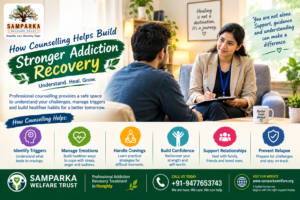
An individual may need additional counselling to understand a recurring trigger or develop a healthier response to stress. Regular follow-ups can also help identify changes in mood, behaviour, or motivation early.
This is one reason ongoing addiction recovery treatment in Hooghly can be valuable even after the primary rehabilitation program has ended.
The Importance of Relapse Prevention
Relapse prevention is one of the most important elements of aftercare.
During treatment, individuals can learn to recognise situations that increase their risk of returning to substance use. These situations may include emotional distress, certain social environments, specific people, financial pressure, or unhealthy routines.
Aftercare helps individuals continue practising the strategies developed during rehabilitation.
A relapse-prevention plan may include:
- Identifying personal triggers
- Recognising early warning signs
- Developing healthy coping strategies
- Maintaining regular counselling
- Avoiding high-risk environments when possible
- Building supportive relationships
- Following healthy daily routines
- Knowing who to contact during difficult situations
The purpose is not to create fear around relapse. Instead, it is to help individuals understand their own recovery patterns and respond to challenges more effectively.
Managing Cravings After Treatment
Cravings can sometimes continue after the primary treatment phase. Experiencing a craving does not automatically mean that someone has returned to addiction.
What matters is how the person responds to it.
Aftercare can help individuals practise techniques for managing cravings. These may include distraction, physical activity, mindfulness, speaking with a trusted person, attending a support session, or discussing the experience with a counsellor.
Understanding that cravings can change in intensity is also important. An individual may learn to recognise that a craving is temporary rather than something that must be acted upon.
Professional guidance can help identify which coping techniques are most suitable for an individual’s circumstances.
For people continuing addiction recovery treatment in Hooghly, regular counselling can provide a safe environment to discuss cravings without fear of judgment.
Family Support During Aftercare
Recovery affects the entire family, so family involvement can remain important after rehabilitation.
Loved ones may have their own fears after seeing someone struggle with addiction. They may worry about relapse or find it difficult to rebuild trust. At the same time, the person in recovery may feel pressure to prove that everything has changed immediately.
These expectations can create unnecessary tension.
Family counselling can help everyone understand the recovery process more clearly. Families can learn how to communicate concerns without excessive criticism and how to establish healthy boundaries.
Support does not mean ignoring harmful behaviour. It means creating an environment where recovery is encouraged while everyone’s emotional well-being is respected.
Samparka Welfare Trust encourages families to remain involved in the recovery process through compassionate communication and appropriate professional guidance.
Rebuilding Trust Takes Time
Addiction can damage trust within families, friendships, and professional relationships.
During recovery, individuals may genuinely want to repair these relationships. However, rebuilding trust rarely happens through promises alone.
Consistent actions matter.
Arriving at responsibilities on time, communicating honestly, maintaining treatment appointments, following healthy routines, and taking responsibility for past behaviour can gradually demonstrate positive change.
Family members may also need time to feel comfortable again.
Aftercare provides continued support while these relationships are being rebuilt. Counselling can help individuals manage frustration when progress feels slow and help families understand that recovery is a gradual process.
Returning to Work and Everyday Responsibilities
Returning to normal responsibilities can be both encouraging and challenging.
Work provides structure and purpose, but workplace pressure can also create stress. Individuals may need to balance professional responsibilities with therapy appointments, recovery routines, and personal commitments.
A gradual and realistic approach can make this transition easier.
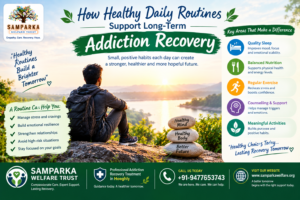
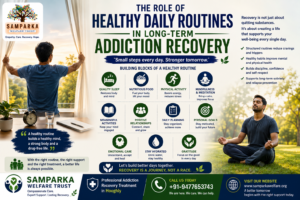
Maintaining adequate sleep, regular meals, physical activity, and time for counselling can support overall stability. Individuals should also recognise when workload or stress begins affecting their emotional well-being.
Aftercare creates a space to discuss these challenges and identify healthier ways to manage them.
For individuals completing addiction recovery treatment in Hooghly, adapting to everyday responsibilities should be viewed as part of the recovery journey rather than something that must happen perfectly from the beginning.
The Role of Support Groups
Recovery can sometimes feel lonely after leaving a rehabilitation environment.
Support groups provide opportunities to connect with people who understand the challenges associated with addiction and recovery. Listening to other experiences can reduce feelings of isolation and provide encouragement.
Support groups can also create accountability.
Individuals may find motivation in sharing their progress and hearing how others manage difficult situations. However, the most appropriate type of support should depend on the person’s needs and professional recommendations.
Professional counselling and medical care should continue when required.
Support groups can complement professional treatment rather than replace it.
Creating a Personal Aftercare Plan
A successful aftercare plan should be realistic and personalised.
Before leaving a rehabilitation program, individuals and their care teams can consider several areas:
1. Counselling
Regular therapy can help address emotional challenges, cravings, relationships, and behavioural patterns.
2. Family Involvement
Family members can understand how to provide constructive support while maintaining healthy boundaries.
3. Relapse Prevention
Individuals can identify triggers and create specific responses for difficult situations.
4. Healthy Lifestyle
Sleep, nutrition, exercise, and meaningful activities can support overall well-being.
5. Support Network
Trusted family members, friends, counsellors, and support groups can become part of the recovery network.
6. Follow-Up Care
Regular professional follow-ups can help monitor progress and address emerging challenges.
A structured plan makes recovery goals more practical and easier to maintain.
What If Someone Experiences a Setback?
Recovery does not always progress perfectly.
A setback can create powerful feelings of guilt, disappointment, or fear. However, hiding the problem may make it more difficult to receive timely support.
The appropriate response is to seek professional assistance as soon as possible.
A counsellor or treatment professional can help determine what happened, identify contributing factors, and review the recovery plan. If substance use has resumed, medical or professional assessment may be necessary depending on the circumstances.
A setback should be treated seriously without turning it into hopelessness.
The focus should remain on safety, understanding the underlying situation, and reconnecting with appropriate treatment and support.
How Families Can Make Aftercare Easier
Families can contribute significantly to a supportive recovery environment.
They can encourage treatment appointments, maintain respectful communication, and support healthy routines. They can also avoid constantly reminding the individual about past mistakes.
At the same time, families should protect their own emotional well-being.
Clear boundaries can help prevent unhealthy patterns from returning. Professional family counselling may be useful when communication becomes difficult.
Most importantly, recovery should not become a source of constant fear or surveillance. A supportive environment should encourage responsibility while allowing the individual to develop independence and confidence.
When Additional Professional Help May Be Needed
Sometimes aftercare reveals that additional treatment is necessary.
Warning signs may include:
- Increasing cravings
- Significant mood changes
- Withdrawal from supportive relationships
- Returning to previous high-risk environments
- Missing counselling or follow-up appointments repeatedly
- Major changes in sleep or daily routine
- Secretive or concerning behaviour
- Renewed substance use
- Feelings of hopelessness or emotional overwhelm
These signs should not simply be ignored.
Early professional intervention can help address difficulties before they become more serious. Depending on the situation, the individual may need additional counselling, medical assessment, a modified treatment plan, or renewed rehabilitation support.
Building a Meaningful Life Beyond Addiction
Long-term recovery is not only about avoiding substances.
It is also about creating a life that supports physical health, emotional stability, relationships, purpose, and personal growth.
Individuals may discover new interests, reconnect with family, develop professional goals, learn new skills, or participate in healthy social activities.
These positive experiences can gradually replace old routines and provide meaningful reasons to continue recovery.
Recovery becomes more sustainable when individuals are not simply avoiding their past but actively building their future.
How Samparka Welfare Trust Supports Continued Recovery
At Samparka Welfare Trust, recovery is approached with compassion, dignity, and continued support.
Professional guidance can help individuals understand addiction, develop healthier coping strategies, manage emotional challenges, and prepare for life beyond structured treatment.
Aftercare can provide an important bridge between rehabilitation and independent living. Through appropriate counselling, family involvement, relapse-prevention strategies, and continued encouragement, individuals can work toward greater stability and confidence.
The goal is not simply to complete treatment.
The goal is to help individuals continue moving forward.
Conclusion
Completing rehabilitation is an important achievement, but recovery continues beyond the treatment centre. Everyday life introduces new responsibilities, relationships, emotions, and challenges that can test the skills developed during treatment.
This is why aftercare matters.
Continued counselling, family support, relapse-prevention planning, healthy routines, and professional follow-up can help individuals navigate life after rehabilitation with greater confidence.
For families seeking addiction recovery treatment in Hooghly, understanding the importance of aftercare can help them support their loved ones more effectively.
Recovery is a continuing journey. With compassion, professional guidance, patience, and the right support system, every new day can become another opportunity to build a healthier and more stable future.
Samparka Welfare Trust is committed to supporting individuals and families throughout their recovery journey.