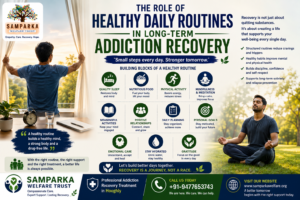
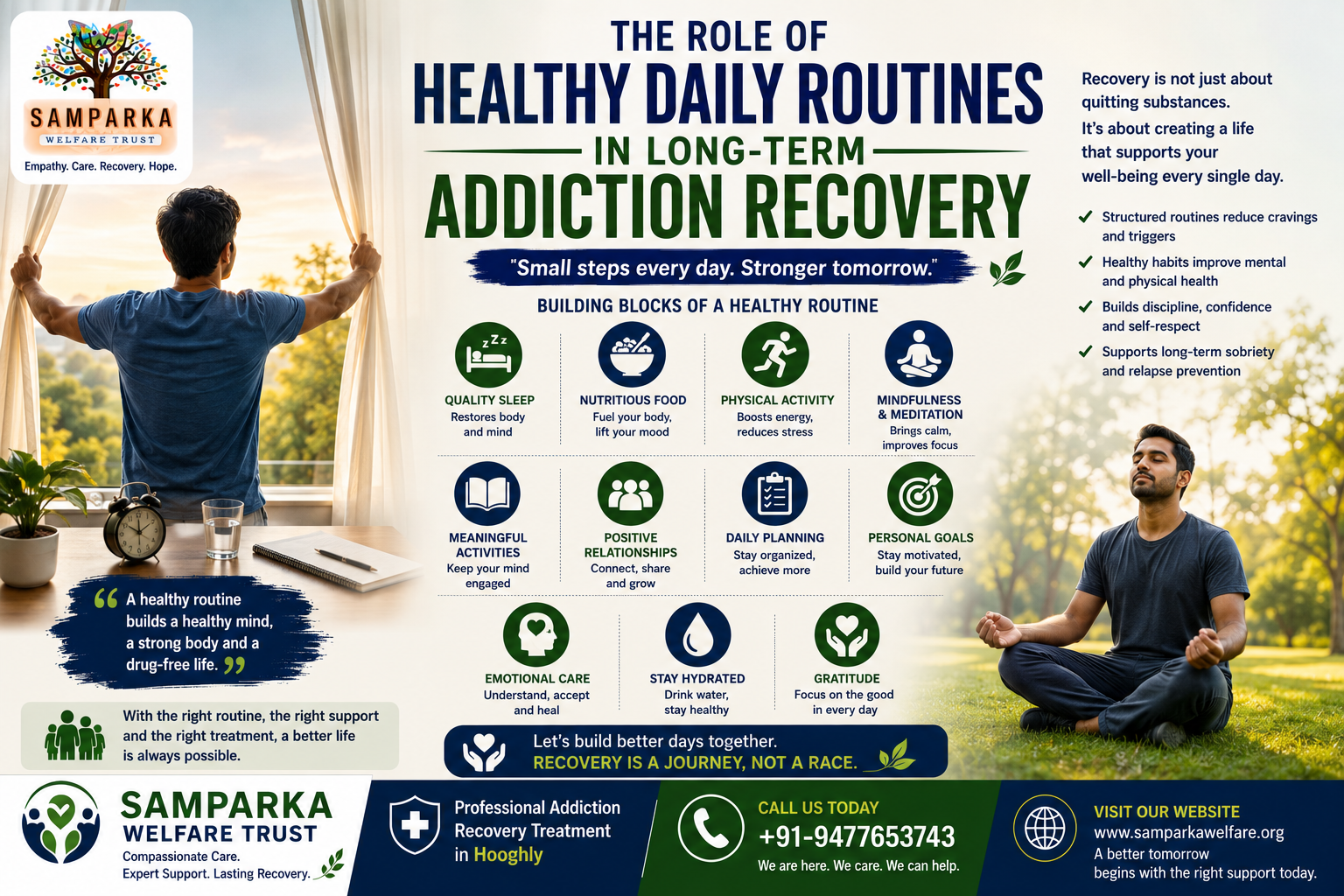
Recovery from addiction involves more than avoiding substances or changing one particular behaviour. It requires rebuilding everyday life from the ground up. Sleep patterns, eating habits, physical activity, social connections, responsibilities, and emotional routines can all influence how a person feels and responds to difficult situations.
During addiction, daily life can become unpredictable. Meals may be skipped, sleep may become irregular, responsibilities may be ignored, and healthy activities may gradually disappear. As recovery begins, rebuilding these patterns can create a greater sense of stability.
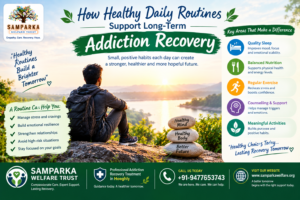
A healthy routine does not guarantee recovery by itself. Professional care, counselling, medical guidance, and relapse-prevention strategies remain important. However, a structured lifestyle can complement professional addiction recovery treatment in Hooghly and help individuals maintain healthier habits over time.
At Samparka Welfare Trust, recovery is approached as a journey toward a healthier and more stable life. Developing positive routines can help individuals regain confidence, manage stress, improve emotional well-being, and create meaningful goals for the future.
Understanding the Importance of Routine in Recovery
Addiction can disrupt almost every part of everyday life.
A person may begin sleeping at unusual hours, missing meals, avoiding responsibilities, withdrawing from healthy relationships, or spending most of the day focused on obtaining or using substances. Over time, these patterns can become deeply established.
Recovery creates an opportunity to rebuild these habits.
A predictable daily schedule can provide structure when life previously felt chaotic. Knowing when to wake up, eat, attend therapy, exercise, rest, and complete responsibilities can reduce unnecessary uncertainty.
Routine can also create accountability.
Instead of allowing the day to become dominated by cravings or negative thoughts, individuals can gradually fill their time with meaningful and healthy activities.
Professional addiction recovery treatment in Hooghly can provide the foundation for this process, while daily routines help individuals apply healthier behaviours consistently.
How Addiction Can Disrupt Everyday Habits
Addiction often affects lifestyle patterns gradually.
Sleep may become irregular because substance use interferes with normal rest. Meals may become less important as substance use takes priority. Physical activity can decrease because motivation and energy levels change.
Work, education, household responsibilities, and social commitments may also be neglected.
These changes can create a cycle.
Poor sleep may increase irritability. Irregular eating may affect energy. Lack of physical activity may reduce emotional well-being. Social isolation may increase loneliness. Stress may then make unhealthy coping mechanisms more tempting.
Breaking this cycle requires patience.
Recovery does not mean changing everything overnight. Small, realistic improvements can gradually create a healthier foundation.
A structured rehabilitation environment can help individuals begin establishing these habits while receiving professional guidance.
Starting the Day With Purpose
The beginning of the day can influence how the rest of the day feels.
During active addiction, mornings may be associated with cravings, exhaustion, anxiety, or uncertainty. Establishing a healthier morning routine can gradually create a different pattern.
A simple morning routine might include waking at a consistent time, drinking water, maintaining personal hygiene, eating breakfast, and spending a few minutes preparing mentally for the day.
Some individuals may also benefit from light stretching, walking, breathing exercises, or quiet reflection.
The objective is not to create a perfect schedule.
The objective is to create consistency.
Completing a few positive activities every morning can create a sense of achievement. Over time, these small accomplishments can strengthen confidence and motivation.
Individuals receiving addiction recovery treatment can work with professionals to determine which routines are realistic for their circumstances.
The Connection Between Sleep and Recovery
Sleep plays an important role in physical and emotional well-being.
Addiction can significantly disturb normal sleep patterns. Some individuals may sleep excessively, while others may struggle with insomnia or frequent nighttime waking.
Poor sleep can affect concentration, mood, energy, and decision-making.
A healthier sleep routine can therefore become an important part of lifestyle recovery.
Going to bed and waking up at relatively consistent times can help establish regularity. Reducing unnecessary screen exposure before bedtime, creating a comfortable sleeping environment, and avoiding excessive caffeine late in the day may also support healthier sleep habits.
Individuals experiencing significant sleep problems should discuss them with qualified healthcare professionals rather than relying on self-medication.
A professional rehabilitation program can help identify lifestyle factors affecting sleep while ensuring that medical concerns receive appropriate attention.
Nutrition and Physical Well-Being
Healthy nutrition is another important component of rebuilding everyday life.
During addiction, eating patterns may become irregular. Some individuals may skip meals, rely heavily on processed foods, or experience changes in appetite.
A balanced diet can support general physical well-being during recovery.
Regular meals can also create structure throughout the day. Instead of eating only when hunger becomes extreme, individuals can gradually establish consistent meal times.
Nutrition plans should be appropriate to individual health requirements. Professional guidance may be particularly important for people recovering from prolonged substance use or dealing with other health conditions.
Hydration is also important.
Drinking sufficient fluids throughout the day can support normal physical functioning. However, individual medical needs vary, so people with specific health concerns should follow professional advice.
Recovery is not about following an extreme diet. It is about developing sustainable habits that support overall wellness.
Physical Activity and Emotional Wellness
Exercise can become a meaningful part of a healthy recovery lifestyle.
Physical activity can provide structure, encourage healthier habits, and create an opportunity to focus attention on something positive.
Exercise does not have to mean intense workouts.
Walking, stretching, yoga, swimming, cycling, or other enjoyable activities can be appropriate depending on an individual’s health and fitness level.
Starting with manageable activities can make consistency easier.
For example, a short daily walk may be more sustainable than beginning an intense exercise program that quickly becomes difficult to maintain.
Physical activity can also provide an alternative way to spend time during periods that previously revolved around substance use.
Individuals receiving professional addiction recovery treatment in Hooghly can discuss appropriate physical activities with their healthcare or rehabilitation professionals.
Building Productive Daily Activities
Unstructured time can sometimes become challenging during recovery.
When large parts of the day remain empty, individuals may experience boredom, loneliness, or increased exposure to old habits and triggers.
Creating meaningful activities can help.
These activities may include:
- Learning a new skill
- Reading
- Gardening
- Cooking
- Art or music
- Exercise
- Volunteering
- Educational activities
- Household responsibilities
- Professional development
- Hobbies and creative interests
The purpose is not simply to remain busy.
Meaningful activities help individuals rediscover interests and develop a sense of purpose beyond addiction.
Over time, these activities can become important parts of a healthier identity.
Managing Stress Through Healthy Habits
Stress is an unavoidable part of life.
Recovery does not mean eliminating every stressful situation. Instead, individuals can learn healthier ways to respond to stress.
A structured daily routine can make stressful situations easier to manage because basic needs and responsibilities are already organised.
Relaxation techniques, exercise, breathing exercises, journaling, hobbies, and conversations with trusted people may help some individuals manage everyday stress.
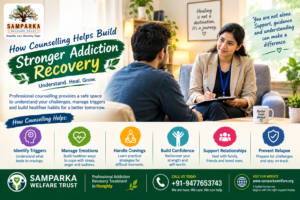
Counselling can also provide deeper strategies for understanding emotional triggers.
Professional addiction treatment focuses on helping individuals identify patterns that may contribute to unhealthy behaviours and develop alternative coping strategies.
When stress becomes overwhelming, reaching out for professional support is often more useful than attempting to handle everything independently.
Creating Healthy Social Connections
Recovery can sometimes involve rebuilding social relationships.
During addiction, individuals may withdraw from friends and activities or spend time primarily around people and environments associated with substance use.
Healthy social connections can provide encouragement and a sense of belonging.
This does not mean returning immediately to every previous social environment.
Individuals may need to identify which relationships support their recovery and which situations create unnecessary risk.
Healthy connections can come from many places, including supportive relatives, trusted friends, peer groups, community activities, educational environments, or recovery-focused programs.
Positive social interaction can also reduce loneliness.
A structured rehabilitation environment can help individuals develop healthier communication and social skills before returning fully to everyday life.
Setting Realistic Goals
Recovery becomes easier to manage when large goals are divided into smaller steps.
Someone may eventually want to rebuild their career, improve relationships, become financially stable, or develop new skills. These are meaningful long-term objectives, but trying to accomplish everything immediately can become overwhelming.
Small goals can create momentum.
For example, an individual might initially focus on maintaining a regular sleep schedule. Later, they may introduce exercise. After that, they may begin pursuing education, employment, or a new hobby.
Every completed goal can strengthen confidence.
Goals should be realistic and flexible. Recovery does not always progress at the same speed, and unexpected challenges may require adjustments.
Professional counselling can help individuals establish practical goals that fit their circumstances.
Managing Screen Time and Digital Habits
Modern technology can be useful, but excessive digital consumption may sometimes interfere with healthy routines.
Spending long periods on social media, gaming, or entertainment can disrupt sleep, reduce physical activity, and encourage isolation.
Creating healthy boundaries around technology can therefore be helpful.
Individuals may choose to establish specific periods for checking social media, entertainment, communication, and work.
Technology can also be used positively.
Educational resources, online counselling where appropriate, recovery communities, fitness applications, and communication with supportive people can provide useful resources.
The goal is not to eliminate technology but to use it intentionally.
Finding Purpose Beyond Addiction
One of the most important parts of long-term recovery is discovering a sense of purpose.
Addiction can gradually become the central focus of someone’s life. Recovery creates an opportunity to develop a broader identity.
Purpose may come from family, education, employment, creativity, spirituality, volunteering, personal development, or helping others.
It does not need to be dramatic.
Even small responsibilities can create meaning.
Taking care of a household, learning a skill, helping someone, maintaining a garden, or working toward a career goal can provide a sense of achievement.
As individuals develop healthier routines, they may begin to see themselves differently.
They are no longer defined solely by their past struggles.
They are people building a new future.
How Professional Treatment Supports Lifestyle Changes
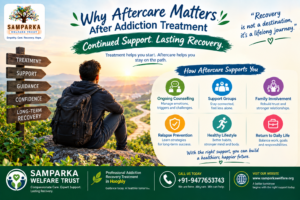
Healthy routines are valuable, but they should not replace professional treatment when addiction requires structured care.
Professional addiction recovery treatment can address the physical, psychological, and behavioural aspects of addiction.
Counselling can help individuals understand emotional triggers. Therapy can support healthier coping mechanisms. Medical professionals can address relevant health concerns. Rehabilitation programs can provide structured schedules and professional supervision.
This combination can make lifestyle changes easier to establish.
A rehabilitation centre provides an environment where individuals can temporarily step away from harmful patterns and focus on recovery.
As treatment progresses, individuals can gradually learn how to maintain healthier routines outside the structured environment.
Preparing for Life After Rehabilitation
Leaving a rehabilitation program can be an important transition.
The structured environment of treatment may provide clear routines and regular professional support. Returning home introduces greater independence and more everyday responsibilities.
Preparing for this transition is therefore important.
Individuals can create a realistic daily schedule before returning to their usual environment.
This schedule may include:
- Consistent sleep and wake times
- Regular meals
- Therapy or counselling appointments
- Physical activity
- Work or education
- Healthy social activities
- Personal hobbies
- Relaxation time
- Recovery-focused support
Having a plan can reduce uncertainty.
Aftercare and continued professional guidance can also help individuals address challenges as they arise.
What to Do When a Routine Breaks Down
No routine works perfectly every day.
Travel, illness, family responsibilities, work pressure, emotional difficulties, or unexpected events can disrupt even the healthiest schedule.
A disrupted routine should not automatically be viewed as failure.
The important step is to restart.
Missing one workout does not mean exercise has failed. Going to bed late once does not destroy a sleep routine. Having a difficult day does not erase previous progress.
Recovery requires flexibility as well as consistency.
If changes in routine are accompanied by strong cravings, emotional distress, or concerns about relapse, individuals should seek appropriate professional support rather than ignoring the warning signs.
The Importance of Patience in Recovery
Lifestyle changes take time.
Someone who has lived with unhealthy patterns for years may not immediately develop a completely structured lifestyle.
Trying to change everything simultaneously can create unnecessary pressure.
Small improvements can be more sustainable.
A consistent bedtime, regular meals, daily movement, meaningful activities, and supportive relationships can gradually become normal parts of everyday life.
Progress should be measured by consistency rather than perfection.
Professional addiction recovery treatment in Hooghly can provide guidance throughout this process, helping individuals understand that recovery is a long-term journey rather than a quick transformation.
How Samparka Welfare Trust Supports Long-Term Recovery
At Samparka Welfare Trust, recovery is viewed as a journey toward greater stability, confidence, and healthier living.
Professional support can help individuals understand addiction, develop healthier coping mechanisms, work through emotional challenges, and prepare for life beyond treatment.
Lifestyle habits complement this process.
A healthier routine can help individuals organise their day, develop positive responsibilities, rediscover interests, and create meaningful goals.
The combination of professional guidance and consistent lifestyle changes can provide a stronger foundation for long-term recovery.
Every individual’s circumstances are different, so recovery plans should be personalised rather than copied from someone else’s experience.
Building a Healthier Future One Day at a Time
Recovery does not happen in a single moment.
It develops through repeated choices.
Going to counselling. Eating a healthy meal. Getting enough sleep. Taking a walk. Speaking honestly about emotions. Avoiding harmful environments. Asking for help when things become difficult. Completing responsibilities. Building meaningful relationships.
Each choice can contribute to a healthier lifestyle.
A daily routine may appear simple, but its impact can become significant when healthy habits are repeated consistently.
Addiction does not have to define a person’s future.
With professional support, appropriate treatment, healthier routines, and continued commitment, individuals can gradually rebuild their confidence and create a life with greater stability and purpose.
Samparka Welfare Trust is committed to supporting individuals seeking addiction recovery treatment in Hooghly with compassion, dignity, and professional guidance.
If you or someone you care about is struggling with addiction, taking the first step toward professional support can make the recovery journey more manageable.
Recovery begins with one healthy decision at a time.