Addiction recovery does not end when detoxification is completed or when a person leaves a rehabilitation program. Recovery is a continuing journey that requires awareness, patience, emotional strength, and consistent support. One of the most important parts of this journey is relapse prevention.
Many people believe that completing treatment automatically means addiction has been permanently overcome. However, returning to familiar environments, stressful situations, unhealthy relationships, or emotional triggers can create challenges even after significant progress has been made. Without proper preparation, these situations may increase the risk of returning to substance use.
Relapse prevention helps individuals understand their personal triggers and develop healthier ways to respond to difficult situations. Professional addiction recovery treatment in Hooghly can provide the structured guidance, counselling, and support needed to build these skills.
At Samparka Welfare Trust, recovery is viewed as a long-term process rather than a temporary achievement. With compassionate guidance, practical coping strategies, and continued encouragement, individuals can become better prepared to protect their recovery and build a healthier future.
What Is Relapse Prevention?
Relapse prevention is a structured approach that helps individuals maintain recovery after addiction treatment. It involves identifying situations that may increase cravings and learning how to manage them without returning to addictive behaviours.
Recovery can become challenging when individuals experience stress, loneliness, conflict, financial difficulties, emotional pain, or social pressure. These situations can bring back memories and cravings associated with substance use.
Relapse prevention does not mean living in fear of relapse. Instead, it means becoming prepared.
Individuals learn to recognise warning signs before they develop into serious problems. They also develop practical strategies for handling cravings, managing emotions, maintaining healthy routines, and seeking support when necessary.
Professional addiction recovery treatment in Hooghly can help individuals create personalised relapse prevention plans based on their circumstances, history, triggers, and recovery goals.
Why Relapse Prevention Matters
Completing detoxification is an important achievement, but detox primarily addresses physical dependence. Long-term recovery also requires changes in thoughts, behaviours, relationships, and daily routines.
Without continued attention to these areas, old habits may gradually return.
Relapse prevention helps individuals:
- Recognise personal triggers
- Understand early warning signs
- Manage cravings more effectively
- Develop healthier coping mechanisms
- Maintain emotional stability
- Build supportive relationships
- Avoid high-risk environments
- Establish healthy daily routines
- Prepare for stressful situations
- Seek professional help when necessary
A strong relapse prevention strategy gives individuals practical tools they can use outside the structured treatment environment.
Samparka Welfare Trust encourages individuals and families to understand that recovery requires ongoing commitment. Every positive choice contributes toward a stronger and more stable recovery journey.
Understanding Common Relapse Triggers
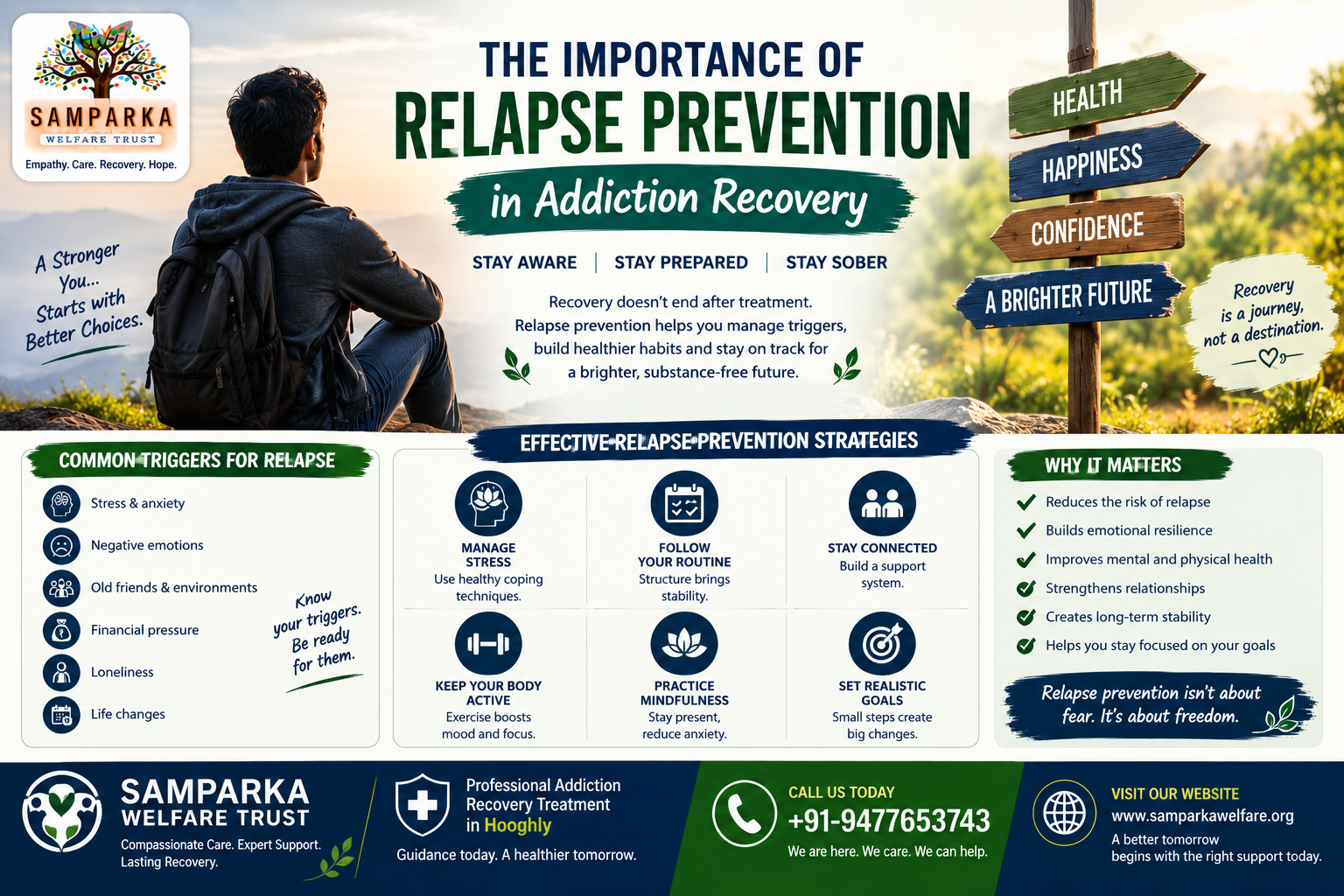
Triggers are situations, emotions, people, places, or experiences that can increase the desire to return to substance use.
Triggers differ from person to person. Something that creates difficulty for one individual may have little effect on another.
Stress and Anxiety
Stress is one of the most common challenges during recovery. Workplace pressure, financial concerns, family conflicts, or personal responsibilities can create emotional exhaustion.
Individuals who previously used substances to escape stress may experience strong cravings during difficult periods.
Learning healthy stress-management techniques can reduce this risk. Exercise, breathing exercises, counselling, mindfulness, hobbies, and supportive conversations can provide healthier alternatives.
Negative Emotions
Sadness, anger, loneliness, frustration, guilt, and disappointment can become powerful triggers.
Recovery does not mean eliminating every negative emotion. Instead, individuals need to learn how to experience difficult emotions without returning to harmful behaviours.
Therapy can help individuals understand emotional patterns and develop healthier responses.
People and Social Environments
Certain friendships or social environments may be strongly connected to previous substance use.
Meeting people who continue using substances or returning to places associated with addiction can increase vulnerability.
During early recovery, maintaining healthy boundaries can be extremely important. Individuals may need to avoid certain environments while developing greater emotional stability.
Financial and Relationship Problems
Financial difficulties and relationship conflicts can create significant emotional pressure.
When problems appear overwhelming, individuals may experience cravings or thoughts of returning to old coping mechanisms.
Relapse prevention encourages individuals to address these challenges gradually rather than attempting to solve everything at once.
Recognising the Early Warning Signs
Relapse often does not happen suddenly. There may be emotional and behavioural warning signs before substance use actually occurs.
Recognising these signs early can provide an opportunity to seek help.
Possible warning signs include:
- Increasing isolation
- Irritability or unusual mood changes
- Missing counselling or support sessions
- Returning to unhealthy friendships
- Romanticising previous substance use
- Ignoring healthy routines
- Losing interest in recovery activities
- Increasing stress without seeking support
- Experiencing frequent cravings
- Believing that occasional substance use would be harmless
- Avoiding conversations about emotional difficulties
These warning signs should not automatically be interpreted as failure. They can instead be viewed as signals that additional support may be required.
Professional addiction recovery treatment in Hooghly can help individuals recognise these patterns and respond before they become more serious.
Building Healthy Coping Strategies
One of the central goals of relapse prevention is replacing unhealthy coping mechanisms with healthier alternatives.
During addiction, substances may become a way of dealing with stress, trauma, loneliness, or emotional pain. Recovery requires developing different ways of responding to those experiences.
Exercise and Physical Activity
Regular physical activity can support healthier routines and provide a constructive way to manage stress.
Walking, stretching, yoga, sports, or other suitable activities can become part of a structured recovery lifestyle.
Mindfulness and Relaxation
Mindfulness can help individuals become more aware of their thoughts and emotions without immediately reacting to them.
Breathing exercises, meditation, and relaxation practices may help individuals manage stressful moments more constructively.
Healthy Sleep
Poor sleep can affect mood, concentration, energy, and emotional resilience.
Maintaining a consistent sleep schedule can therefore become an important part of a healthy recovery routine.
Hobbies and Meaningful Activities
Recovery creates an opportunity to rediscover interests that may have been neglected during addiction.
Reading, music, art, gardening, sports, learning new skills, or volunteering can provide positive ways to spend time.
Healthy activities can also strengthen confidence and create a greater sense of purpose.
The Importance of a Support System
Recovery becomes easier when individuals do not have to face challenges alone.
Support can come from family members, therapists, counsellors, peer groups, healthcare professionals, or trusted friends.
A strong support system provides encouragement during difficult moments and helps individuals remain accountable to their recovery goals.
Family members also have an important role. Instead of criticism or constant reminders of past mistakes, supportive communication can encourage honesty and openness.
Families can help by:
- Listening without immediate judgment
- Encouraging professional support
- Respecting healthy boundaries
- Celebrating recovery milestones
- Learning about addiction
- Supporting healthy routines
- Recognising changes in behaviour
- Encouraging continued treatment when needed
Samparka Welfare Trust believes that compassionate family involvement can strengthen the recovery process and reduce feelings of isolation.
Creating a Personal Relapse Prevention Plan
Every individual’s recovery journey is different. Therefore, relapse prevention should also be personalised.
A practical plan may include identifying:
Personal Triggers:
What situations, emotions, people, or places create cravings?
Early Warning Signs:
What changes in mood, behaviour, or routine indicate increasing vulnerability?
Healthy Responses:
What can be done instead of returning to substance use?
Support Contacts:
Who can be contacted when cravings or emotional distress become difficult?
Safe Environments:
Which places and relationships support recovery?
Professional Resources:
Which counsellor, treatment centre, healthcare professional, or support group can provide assistance?
Having this information available can make difficult situations easier to manage.
Why Routine Is Important After Treatment
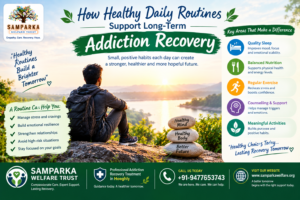
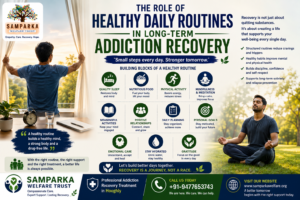
Structure can provide stability during recovery.
Without a routine, individuals may experience boredom, isolation, irregular sleeping patterns, or excessive unproductive time. These circumstances can increase emotional vulnerability.
A healthy daily routine may include:
- Waking and sleeping at consistent times
- Nutritious meals
- Physical activity
- Work or education
- Therapy or counselling
- Family interaction
- Hobbies
- Relaxation
- Recovery meetings or support groups
A structured lifestyle does not need to be complicated. Consistency is often more important than perfection.
Small healthy habits repeated every day can gradually become a strong foundation for long-term recovery.
Managing Cravings Without Returning to Substance Use
Cravings can be uncomfortable, but experiencing a craving does not mean that a person must act on it.
Individuals can learn to pause and identify what is happening.
A useful approach may involve:
- Recognising the craving rather than ignoring it.
- Identifying the trigger behind the craving.
- Changing the environment if the current situation feels risky.
- Contacting a trusted person for support.
- Using a healthy distraction such as walking, exercising, listening to music, or engaging in another activity.
- Practising relaxation techniques when anxiety is contributing to the craving.
- Seeking professional help if cravings become frequent or difficult to control.
Professional counselling can help individuals understand why cravings occur and develop personalised strategies for managing them.
The Role of Therapy in Relapse Prevention
Therapy is an important part of long-term recovery.
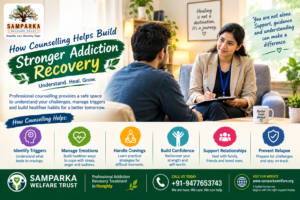
Individual counselling gives people an opportunity to discuss personal experiences, emotional challenges, trauma, relationships, and recovery concerns in a supportive environment.
Group therapy can provide another valuable form of support. Hearing other people’s experiences may reduce isolation and help individuals understand that recovery challenges are not unique to them.
Family counselling can also help rebuild communication and trust.
Professional therapists can help individuals identify unhealthy thinking patterns and develop more constructive ways of handling difficult situations.
This continued support can be particularly valuable after the initial rehabilitation period.
What Happens If a Relapse Occurs?
A relapse should be taken seriously, but it should not automatically be viewed as the complete failure of recovery.
Relapse can indicate that an individual’s recovery plan needs additional support or adjustment.
The important step is responding quickly.
Individuals should avoid hiding the situation because shame and secrecy can make the problem worse. Speaking honestly with a counsellor, healthcare professional, family member, or trusted support person can help identify what happened.
The focus should be on understanding:
- What triggered the relapse?
- Which warning signs were missed?
- What support was unavailable?
- Which coping strategy failed?
- What changes can make future recovery safer?
Professional guidance can help individuals return to recovery and strengthen their relapse prevention plan.
How Families Can Help Prevent Relapse
Families can become an important source of stability when they understand the recovery process.
However, support does not mean controlling every aspect of someone’s life.
Families can encourage healthy recovery by maintaining open communication, supporting treatment appointments, respecting boundaries, and avoiding unnecessary criticism.
They should also learn to recognise changes that may indicate emotional distress.
If someone becomes increasingly isolated, stops attending treatment, returns to risky environments, or begins experiencing severe cravings, families should encourage professional support rather than waiting for the situation to become worse.
Samparka Welfare Trust encourages families to approach recovery with patience, understanding, and compassion.
When Professional Support Is Needed Again
There may be times when additional professional treatment becomes necessary.
Individuals should consider seeking support if they experience:
- Frequent or intense cravings
- Repeated relapse
- Severe emotional distress
- Increasing isolation
- Loss of control over behaviour
- Return to high-risk environments
- Difficulty maintaining daily responsibilities
- Withdrawal symptoms
- Thoughts of abandoning recovery
- Increasing conflict with family members
Seeking help early can prevent a temporary difficulty from becoming a larger setback.
Professional addiction recovery treatment in Hooghly can provide structured guidance and help individuals strengthen their recovery strategies.
Building a Meaningful Life Beyond Addiction
Relapse prevention is not simply about avoiding substances. It is also about creating a life in which healthy choices become meaningful and sustainable.
Recovery can provide opportunities to rebuild relationships, pursue education or career goals, develop new interests, improve physical health, and regain confidence.
Setting realistic goals is important.
Individuals do not need to transform their entire lives overnight. Small achievements can create momentum.
Completing a week of healthy routines, reconnecting with family, attending counselling regularly, returning to work, or developing a new hobby can all represent meaningful progress.
Recovery becomes stronger when individuals begin to see themselves not simply as someone avoiding addiction, but as someone building a healthier and more purposeful life.
How Samparka Welfare Trust Supports Recovery
Samparka Welfare Trust understands that addiction recovery involves much more than stopping substance use.
Professional support can address emotional challenges, behavioural patterns, cravings, relationships, and long-term recovery planning.
A compassionate recovery environment can help individuals feel understood rather than judged. Structured guidance can provide accountability while personalised strategies address individual needs.
Relapse prevention remains an important part of maintaining long-term recovery because individuals eventually return to everyday environments where stress and triggers may appear.
Preparing for those situations can make recovery more sustainable.
Recovery Is a Journey, Not a Single Decision
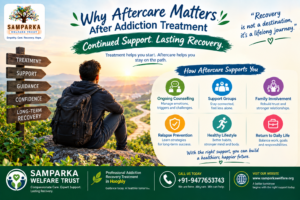
Addiction recovery does not end when treatment ends. It continues through everyday choices, relationships, routines, and responses to difficult situations.
Relapse prevention gives individuals the knowledge and practical strategies needed to protect the progress they have already made.
Triggers can appear unexpectedly. Difficult emotions may return. Life circumstances can change. What matters is having the tools and support necessary to respond safely.
With professional guidance, healthy routines, strong relationships, and continued commitment, long-term recovery becomes more achievable.
Samparka Welfare Trust encourages individuals and families to remember that asking for help is a sign of strength—not weakness.
You do not have to face recovery alone. With the right support, preparation, and compassionate care, every new day can become another step toward a healthier and more fulfilling future.
Take the First Step
If you or someone you love is struggling with addiction or finding it difficult to maintain recovery, professional guidance can make an important difference.
Samparka Welfare Trust is committed to providing compassionate support for individuals and families seeking a healthier future.