Addiction rarely affects only one person. Its emotional impact often reaches parents, partners, children, siblings, and close friends. Families may experience fear, confusion, anger, guilt, and helplessness while watching someone they love struggle with addiction.
During these difficult moments, families often ask an important question: “What can we do to help?”
The answer begins with understanding.
Recovery becomes stronger when individuals receive encouragement, professional guidance, and a supportive environment. Family involvement can motivate individuals to continue treatment, manage difficult emotions, and rebuild relationships damaged by addiction.
However, supporting someone through recovery does not mean accepting unhealthy behaviour or ignoring personal boundaries. Families also need guidance to understand addiction, communicate effectively, and protect their own emotional well-being.
A professional rehab centre in Hooghly can help individuals and families understand the recovery process while providing structured treatment and therapeutic support.
At Samparka Welfare Trust, recovery is viewed as a journey that involves individuals, families, and communities. With compassion, patience, and professional support, families can become an important source of strength throughout recovery.
Understanding the Role of Family in Addiction Recovery
Family relationships can have a powerful influence on recovery. When individuals feel supported rather than judged, they may become more comfortable discussing their struggles and seeking help.
Addiction often creates secrecy and emotional distance. People may hide substance use because they fear criticism or disappointment. Family members, meanwhile, may respond with anger because they feel hurt or helpless.
This cycle can make communication increasingly difficult.
Healthy family involvement begins with education. Understanding addiction as a complex condition helps family members replace blame with compassion and constructive support.
A family does not need to become a therapist or medical professional. Instead, family members can provide encouragement, listen without unnecessary judgment, and support professional treatment recommendations.
A rehab centre in Hooghly can also guide families regarding appropriate communication, treatment participation, and recovery planning.
When families understand what recovery actually involves, expectations become more realistic and supportive.
How Addiction Changes Family Relationships
Addiction can gradually change the way family members interact with one another.
Trust may decrease after repeated broken promises. Arguments may become more frequent. Financial difficulties can create additional stress. Parents may become overly protective, while partners may feel emotionally exhausted.
Children can also experience confusion when family routines become unpredictable.
These changes do not mean relationships cannot recover. However, rebuilding trust requires time and consistent effort.
Family members should understand that recovery is not simply about stopping substance use. It also involves repairing communication, developing healthier routines, and addressing emotional wounds.
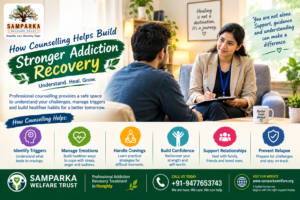
Professional counselling can help families understand these relationship patterns.
At Samparka Welfare Trust, structured support can encourage individuals and families to approach recovery with patience and realistic expectations.
Why Family Support Matters During Treatment
Professional treatment provides medical and psychological support, but encouragement from loved ones can provide an additional source of motivation.
Recovery can become difficult when cravings, emotional stress, or setbacks occur. During these moments, individuals may feel discouraged or question whether change is possible.
Positive family involvement can remind them that progress is valuable.
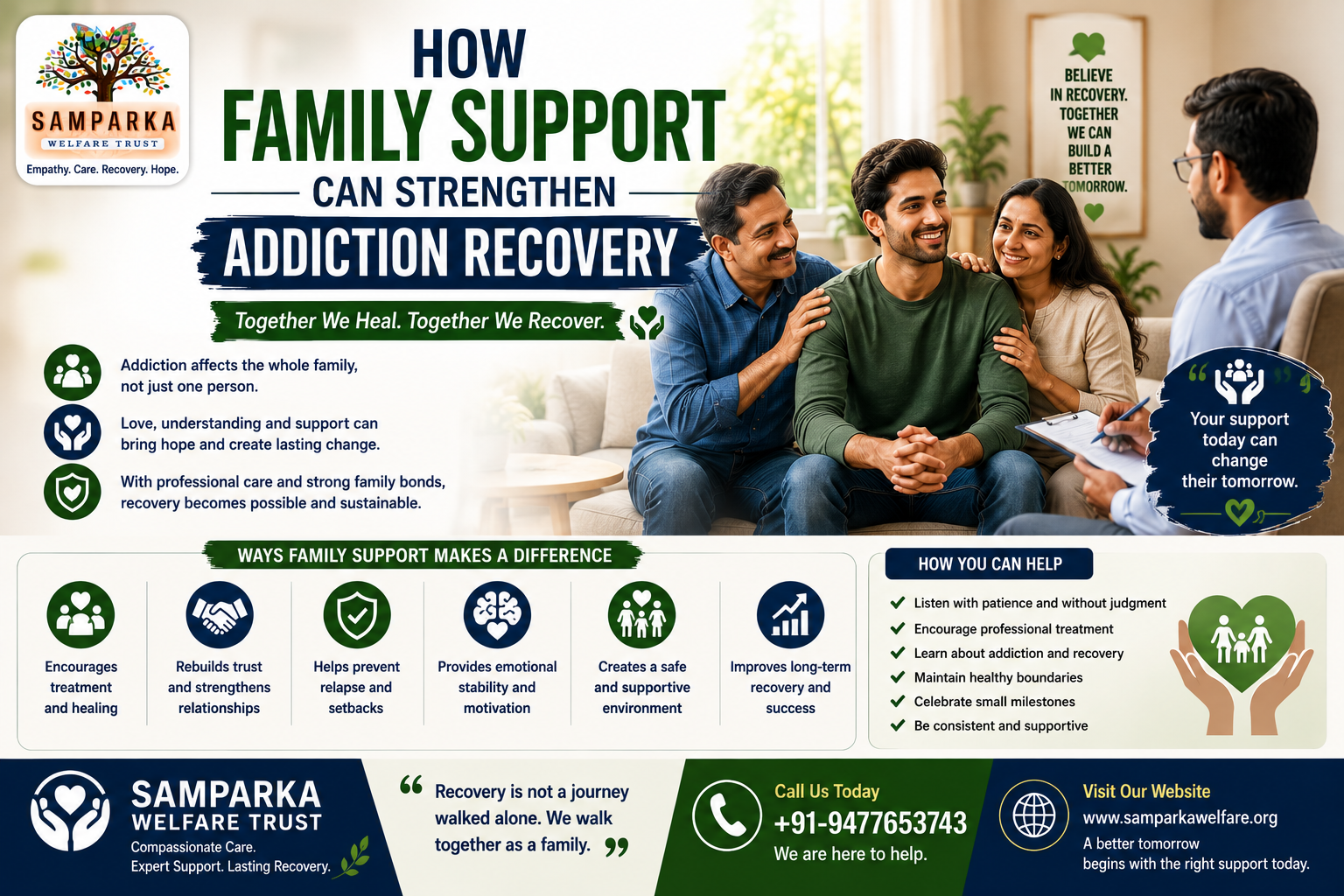
Simple actions can make a meaningful difference:
- Listening without immediately criticising
- Encouraging treatment participation
- Respecting professional recommendations
- Celebrating healthy progress
- Maintaining supportive communication
- Avoiding unnecessary arguments
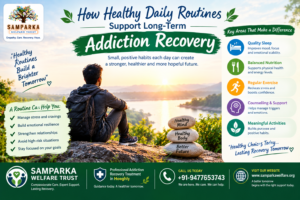
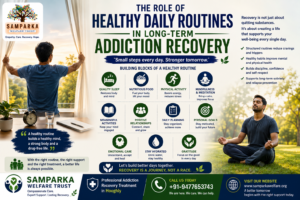
- Encouraging healthy daily routines
Family support should not create pressure for instant recovery.
Instead, the goal should be to encourage consistent progress.
A professional rehab centre in Hooghly can help families understand how to provide meaningful support without interfering with the individual’s treatment process.
The Importance of Rebuilding Trust
Trust is often one of the biggest casualties of addiction.
Repeated promises to stop, missed responsibilities, financial problems, or hidden substance use can make family members cautious. Even after treatment begins, relatives may struggle to believe that lasting change is possible.
This is understandable.
However, rebuilding trust cannot happen through promises alone. It usually develops through consistent actions over time.
An individual in recovery can gradually rebuild trust by:
- Following treatment recommendations
- Communicating honestly
- Maintaining healthy routines
- Taking responsibility for past behaviour
- Avoiding high-risk situations
- Attending therapy and support sessions
- Demonstrating consistency in daily responsibilities
Families can also contribute by recognising genuine progress.
Trust does not need to return immediately. Small positive actions repeated consistently can gradually restore confidence within relationships.
Building a Long-Term Recovery Plan
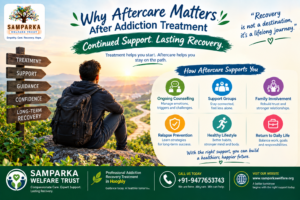
Recovery does not end when a person completes a rehabilitation program.
Long-term recovery often requires continued attention to emotional health, lifestyle, relationships, and relapse prevention.
A strong recovery plan may include ongoing counselling, healthy routines, support groups, family involvement, regular medical follow-ups when appropriate, and strategies for managing triggers.
Families can help by encouraging consistency rather than demanding perfection.
Instead of asking, “Are you completely recovered yet?”, they can ask:
“How can we support you today?”
This shift can create a healthier recovery environment.
Every positive decision contributes to long-term progress.
How Samparka Welfare Trust Supports Recovery
Recovery becomes easier when individuals know they do not have to face addiction alone.
Samparka Welfare Trust believes that compassionate professional support can help individuals develop healthier coping mechanisms, rebuild confidence, and work toward greater emotional stability.
Families also need understanding and guidance throughout the process.
Professional rehabilitation can provide structured treatment, counselling, emotional support, recovery planning, and relapse-prevention guidance based on individual needs.
The journey may not always be easy, but consistent support can make it more manageable.
Final Thoughts
Addiction can create pain across an entire family, but families can also become an important source of strength during recovery.
Support does not mean ignoring harmful behaviour. It means encouraging treatment, maintaining healthy boundaries, rebuilding communication, and recognising progress.
Recovery requires patience.
Trust may take time to return. Emotional wounds may take time to heal. Setbacks may occur. But with professional guidance and consistent support, healthier relationships and a more stable future can become possible.
If you or someone you love is struggling with addiction, seeking professional support can be an important first step.
Samparka Welfare Trust is committed to supporting individuals and families through compassionate recovery guidance.