Recovery often begins with one decision, but success requires many more. Surprising changes happen when healthy habits replace harmful patterns. Small daily actions can create powerful results over time. Strong recovery involves more than avoiding substances. Lasting transformation comes from building a healthier and more balanced lifestyle. Physical wellness, emotional stability, and positive routines work together to support long-term success.
Many people discover that consistent habits strengthen confidence and reduce the risk of relapse. Effective addiction recovery treatment becomes more sustainable when supported by healthy daily practices. Healthy choices improve focus, energy, and resilience. This guide explores ten practical habits that can strengthen recovery, improve overall well-being, and help individuals build a healthier future after addiction recovery treatment.
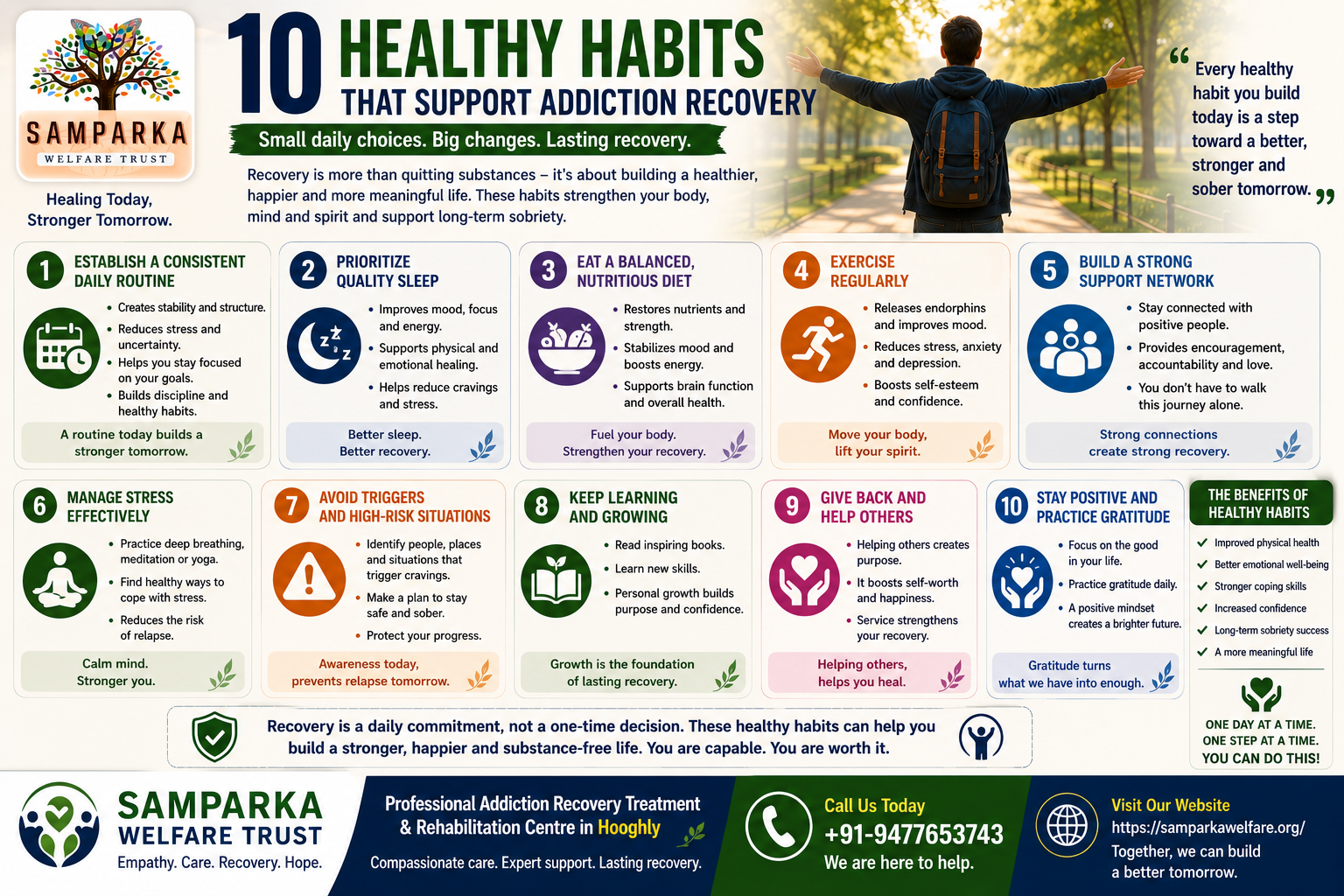
Establish a Consistent Daily Routine
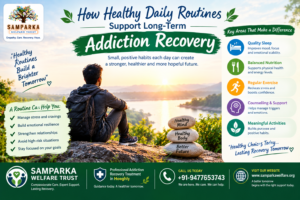
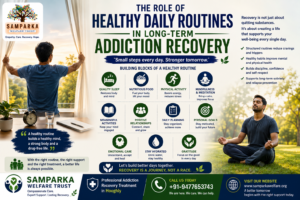
A structured routine creates stability during recovery and reduces uncertainty. Many individuals experience challenges when transitioning away from unhealthy habits. Daily schedules provide direction and help maintain focus on positive goals. Consistent routines reduce idle time, which often contributes to cravings and negative thought patterns. Following a predictable schedule can also improve confidence and create a stronger sense of control.
A routine supports successful addiction recovery treatment in Hooghly by encouraging healthy behaviors throughout the day. Establishing regular wake-up and bedtime schedules helps regulate physical and mental health. Planning meals, work responsibilities, exercise sessions, and relaxation activities ensures balance and productivity.
Individuals who follow structured routines often find it easier to avoid triggers and stay committed to recovery goals. Over time, these daily patterns become healthy habits that strengthen long-term sobriety and support lasting personal growth.
Prioritize Quality Sleep
Quality sleep plays a critical role in physical and emotional recovery. During sleep, the body repairs itself, restores energy, and supports healthy brain function. Lack of sleep can increase irritability, stress, and poor decision-making, making recovery more challenging. Consistent rest helps improve concentration, emotional regulation, and overall well-being.
Individuals participating in addiction recovery treatment often benefit significantly from improved sleep habits. Establishing a calming bedtime routine can signal the body to prepare for rest.
Activities such as reading, stretching, or practicing relaxation techniques can promote better sleep quality. Limiting caffeine intake during the afternoon and reducing screen time before bed can also improve sleep patterns. Creating a comfortable sleep environment encourages deeper rest and better recovery outcomes. Prioritizing sleep allows individuals to wake up refreshed, focused, and better prepared to manage daily challenges.
Eat a Balanced, Nutritious Diet
Nutrition plays a vital role in restoring health during recovery. Substance use can often deplete essential nutrients and weaken the body’s natural systems. A balanced diet helps rebuild physical strength and supports mental wellness. Proper nutrition can also stabilize mood, improve concentration, and maintain consistent energy levels throughout the day.
Healthy eating habits complement addiction recovery treatment by providing the body with the nutrients needed for healing. Focus on consuming whole foods, including fruits, vegetables, lean proteins, whole grains, and healthy fats. These foods support brain health and improve overall physical function.
Staying hydrated is equally important because dehydration can affect mood and energy levels. Drinking sufficient water throughout the day supports recovery and overall wellness. Consistent healthy eating habits help individuals feel stronger, more energized, and better equipped to handle the demands of long-term recovery.
Exercise Regularly
Regular physical activity offers numerous benefits during recovery. Exercise stimulates the release of endorphins, which naturally improve mood and create positive feelings. Physical activity also reduces stress, anxiety, and symptoms of depression. These benefits can make recovery more manageable and rewarding.
Many recovery professionals recommend exercise as part of a comprehensive addiction recovery treatment plan. Individuals do not need intense workouts to experience positive results.
Activities such as walking, cycling, swimming, or yoga can significantly improve physical and mental health. The key is consistency rather than intensity. Scheduling regular exercise sessions creates structure and promotes healthy habits. Physical activity can also improve sleep quality, increase self-confidence, and provide a constructive outlet for stress. Over time, regular exercise becomes an effective tool for maintaining wellness and supporting long-term sobriety.
Build a Strong Support Network
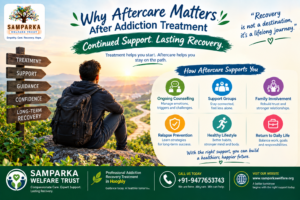
Recovery becomes more sustainable when individuals surround themselves with supportive people. A strong support network provides encouragement, accountability, and understanding during difficult times. Positive relationships help reduce feelings of loneliness and isolation, which can contribute to relapse risks.
Supportive friends, family members, mentors, and peers can strengthen the recovery journey. Many people find that community involvement enhances the effectiveness of addiction recovery treatment by providing additional emotional support. Regular communication with trusted individuals creates opportunities to discuss challenges, celebrate successes, and seek guidance when needed.
Participating in support groups or community activities can also foster meaningful connections with others who share similar experiences. Strong social connections remind individuals that they are not alone in their journey. These relationships create a foundation of encouragement that promotes resilience and long-term recovery success.
Practice Mindfulness and Stress Management
Stress often acts as a significant trigger during recovery. Learning how to manage stress effectively can reduce the risk of setbacks and improve emotional well-being. Mindfulness encourages individuals to stay present and develop greater awareness of thoughts, emotions, and behaviors.
Mindfulness techniques support recovery by helping individuals recognize cravings before they become overwhelming. Practices such as meditation, deep breathing exercises, and journaling can improve emotional regulation and self-awareness. Setting aside time each day for reflection allows individuals to process experiences and manage stress more effectively.
Consistent mindfulness practices can also reduce anxiety and improve overall mental health. Developing healthy stress-management strategies helps individuals respond to challenges with greater confidence and resilience. These skills contribute significantly to long-term recovery and personal growth.
Set Realistic Goals
Goal setting provides direction and motivation throughout recovery. Achieving small, realistic goals builds confidence and reinforces positive behaviors. Progress often occurs gradually, making manageable objectives essential for maintaining motivation.
Breaking larger goals into smaller steps makes them feel more achievable. Each accomplishment creates momentum and encourages continued growth. Recovery becomes more rewarding when individuals recognize and celebrate their progress. Whether the goal involves improving health, developing new skills, or strengthening relationships, realistic expectations support sustainable success.
Tracking achievements helps individuals remain focused and motivated. Celebrating milestones, no matter how small, reinforces positive habits and strengthens commitment to recovery. Purposeful goal setting creates a sense of accomplishment and encourages continuous personal development.
Engage in Meaningful Hobbies
Meaningful hobbies provide healthy opportunities for enjoyment, creativity, and personal fulfillment. Many individuals discover that boredom can become a significant challenge during recovery. Engaging in productive activities helps occupy time and reduces the likelihood of returning to unhealthy behaviors.
Creative pursuits, educational opportunities, and outdoor activities can all support recovery. Hobbies encourage personal growth while providing a sense of achievement and satisfaction. Whether learning a musical instrument, gardening, painting, reading, or hiking, meaningful activities create positive experiences that enrich daily life.
Setting aside dedicated time each week for personal interests helps maintain balance and motivation. Hobbies also introduce opportunities to meet new people and develop supportive relationships. These activities contribute to emotional well-being and help individuals create a fulfilling lifestyle centered on healthy choices.
Attend Recovery Meetings or Counseling
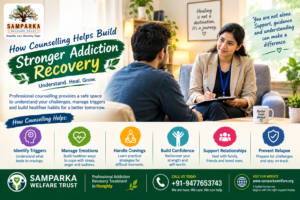
Professional guidance and peer support play important roles in recovery. Recovery meetings and counseling sessions provide valuable opportunities to learn coping strategies, discuss challenges, and receive encouragement. These resources offer structured support that strengthens long-term success.
Many individuals find that regular participation enhances the effectiveness of addiction recovery treatment by reinforcing healthy behaviors and accountability. Counseling can help address underlying emotional issues, while support groups provide shared experiences and practical advice. Committing to a consistent schedule helps individuals remain engaged in their recovery journey. Staying open to learning from others fosters growth and resilience.
Recovery meetings also create a sense of community and belonging. Continued participation provides ongoing encouragement and valuable tools for managing life’s challenges while maintaining sobriety.
Practice Self-Compassion
Recovery is a journey filled with growth, learning, and occasional setbacks. Practicing self-compassion allows individuals to respond to challenges with understanding rather than criticism. Harsh self-judgment can increase feelings of guilt and discourage progress.
Self-compassion encourages a healthier mindset by focusing on learning rather than perfection. Replacing negative self-talk with constructive and supportive thoughts can improve emotional well-being and resilience. Recognizing progress, even during difficult periods, helps maintain motivation and confidence. Recovery does not require perfection; it requires persistence and commitment.
Treating oneself with kindness creates a stronger foundation for personal growth. Individuals who practice self-compassion often develop greater emotional strength and a more positive outlook. This mindset supports long-term recovery and encourages continued progress toward personal goals.
Common Challenges When Building New Habits
Building healthy habits requires patience and persistence. Many individuals experience periods of low motivation, particularly during the early stages of recovery. Stressful situations and emotional triggers can also interfere with progress. Balancing recovery efforts with work responsibilities, family commitments, and personal obligations may create additional challenges.
Overcoming these obstacles starts with setting realistic expectations. Small, consistent actions often produce better results than drastic changes. Seeking support from trusted individuals, counselors, or support groups can provide valuable encouragement during difficult times.
Tracking progress helps individuals recognize achievements and stay motivated. Adjusting goals when necessary allows for flexibility and continued growth. Developing healthy habits takes time, but persistence leads to meaningful improvements. Every positive choice contributes to a stronger foundation for long-term recovery and overall well-being.
Summary
Healthy habits create the foundation for lasting recovery and personal growth. Consistent daily actions support physical health, emotional stability, and long-term sobriety. From maintaining routines and prioritizing sleep to practicing self-compassion and building strong relationships, each habit contributes to a healthier lifestyle. Sustainable progress comes from commitment, patience, and consistency rather than perfection.
Choosing just one or two habits today can lead to meaningful changes over time. Organizations such as Samparka Welfare Trust recognize the importance of holistic support alongside addiction recovery treatment. Which healthy habit has made the biggest difference in your recovery journey?