Families whisper painful questions during silent dinners and sleepless nights. “Why can’t they just stop?” echoes constantly. Society often labels addiction as weakness or reckless decision-making. Many people believe that stronger discipline solves every addiction struggle.
Reality tells a completely different story. Brain scans reveal major neurological changes during long-term substance dependence. Medical experts classify addiction as a chronic brain disease today. Emotional suffering also shapes destructive behavioural patterns.
Effective addiction treatment addresses biological, psychological, and emotional damage simultaneously. Compassion creates better outcomes than judgment or punishment. Understanding addiction changes conversations, relationships, and recovery journeys forever. Modern addiction treatment empowers people through science-based care and consistent support systems.
What Is Addiction?
Addiction describes compulsive behaviour despite painful emotional, physical, or social consequences. People struggling with addiction often lose control over dangerous habits gradually. Cravings dominate thoughts, emotions, and daily decisions. Harmful behaviours continue despite damaged relationships, financial problems, or worsening health conditions.
Addiction affects both substances and behaviours. Substance addictions include alcohol, nicotine, opioids, prescription medications, and illegal drugs. Behavioral addictions involve gambling, gaming, pornography, and excessive social media usage.
Each addiction changes brain responses and emotional regulation over time. Many people hide symptoms because shame creates fear and isolation. Early addiction treatment in Hooghly improves recovery outcomes and reduces long-term physical complications significantly.
Professional support helps individuals rebuild healthy coping mechanisms and emotional resilience. Successful addiction treatment also strengthens confidence, relationships, and long-term stability.
The Science Behind Addiction
Addiction changes brain chemistry through repeated exposure to rewarding substances or behaviours. Dopamine controls pleasure, motivation, and reward responses inside the human brain.
Drugs and addictive behaviours release excessive dopamine levels repeatedly. Brain pathways gradually adapt to overwhelming dopamine surges. Natural pleasures eventually feel less satisfying or emotionally meaningful. Cravings become intense because altered pathways demand constant stimulation.
Decision-making abilities also weaken significantly during addiction progression. Changes inside the prefrontal cortex reduce impulse control and emotional regulation. People struggling with addiction often recognise harmful consequences clearly.
However, damaged neurological pathways overpower logical thinking during intense cravings. Stress, anxiety, and environmental triggers increase compulsive behaviour dramatically. Effective addiction treatment focuses on restoring healthier neurological and emotional functioning carefully. Therapy, medication, and lifestyle adjustments can successfully support gradual brain recovery. Recovery requires patience because neurological healing develops slowly over time.
Telling someone with addiction to “just stop” ignores serious biological complications entirely. Comparable advice would insult someone experiencing asthma symptoms severely. Comprehensive addiction treatment supports healing instead of promoting shame or punishment.
Why Willpower Alone Isn’t Enough
Many people misunderstand addiction because visible symptoms resemble irresponsible personal choices. Stigma encourages harmful assumptions about weakness, laziness, or moral failure. Motivation certainly influences recovery progress.
However, biology strongly affects behaviour, emotional regulation, and impulse control. Brain changes significantly reduce resistance to cravings and compulsive behaviours. Chronic diseases often require continuous management and medical intervention.
Diabetes patients monitor their blood sugar levels carefully every day. Hypertensive patients consistently follow their medications and healthy lifestyle adjustments. Depression patients frequently require therapy, medication, and emotional support systems. Addiction deserves identical medical understanding and compassionate care.
Relapse does not represent personal failure or hopelessness. Recovery often includes setbacks, emotional struggles, and behavioural challenges. Effective addiction treatment teaches coping strategies for stress, cravings, and emotional pain. Supportive environments dramatically improve long-term recovery outcomes. Judgment usually increases shame and discourages honest communication.
Compassion encourages accountability, healing, and healthier decision-making patterns. Modern addiction treatment combines science-based therapies with emotional support and structured guidance. Sustainable recovery develops gradually through persistence, professional care, and supportive relationships.
Factors That Contribute to Addiction
Genetics
Family history increases vulnerability toward addiction and substance dependence significantly. Genetic traits influence brain chemistry, emotional regulation, and impulsive behaviours.
Mental Health
Anxiety, trauma, PTSD, and depression commonly contribute to addiction struggles. Emotional pain often encourages unhealthy coping mechanisms and destructive behavioural patterns.
Environment
Stressful environments increase addiction risks considerably during vulnerable life stages. Peer pressure, childhood neglect, and substance availability influence dangerous behavioural choices. Financial struggles and unstable relationships also worsen emotional distress frequently.
Social Isolation and Pain
Loneliness regularly creates emotional suffering and feelings of hopelessness. Many individuals use substances to escape painful memories or overwhelming emotions temporarily. Early addiction treatment addresses emotional wounds before destructive behaviours become deeply rooted.
The Harm Caused by Stigma
Stigma severely damages recovery efforts and emotional well-being. Judgment quickly creates shame, fear, and painful social isolation. Many individuals avoid seeking professional help because embarrassment feels overwhelming. Workplace discrimination also discourages honest conversations about addiction struggles.
Healthcare providers occasionally dismiss patients experiencing substance-related complications unfairly. Compassionate communication consistently improves trust and encourages healthier recovery decisions. Language also influences emotional healing and public attitudes strongly.
Terms like “addict” often reduce people to harmful stereotypes unfairly. Better language promotes dignity and emotional understanding. Phrases like “person struggling with addiction” encourage empathy and respect. Recovery-focused language creates hope and emotional motivation.
Saying “in recovery” sounds supportive instead of judgmental or dismissive. Quality addiction treatment in Hooghly also prioritises emotional safety and respectful communication practices. Supportive communities encourage individuals to pursue healthier, more sustainable recovery journeys.
What Recovery Really Looks Like
Recovery involves consistent effort, emotional growth, and professional support systems. Successful recovery rarely follows a perfectly straight path. Many individuals experience setbacks before achieving lasting stability.
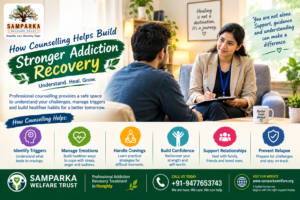
Relapse can occur during stressful or emotionally painful situations. However, relapse never eliminates previous recovery progress completely. Effective addiction treatment combines multiple approaches for long-term healing success. Therapy helps individuals clearly understand emotional triggers and destructive behavioural patterns.
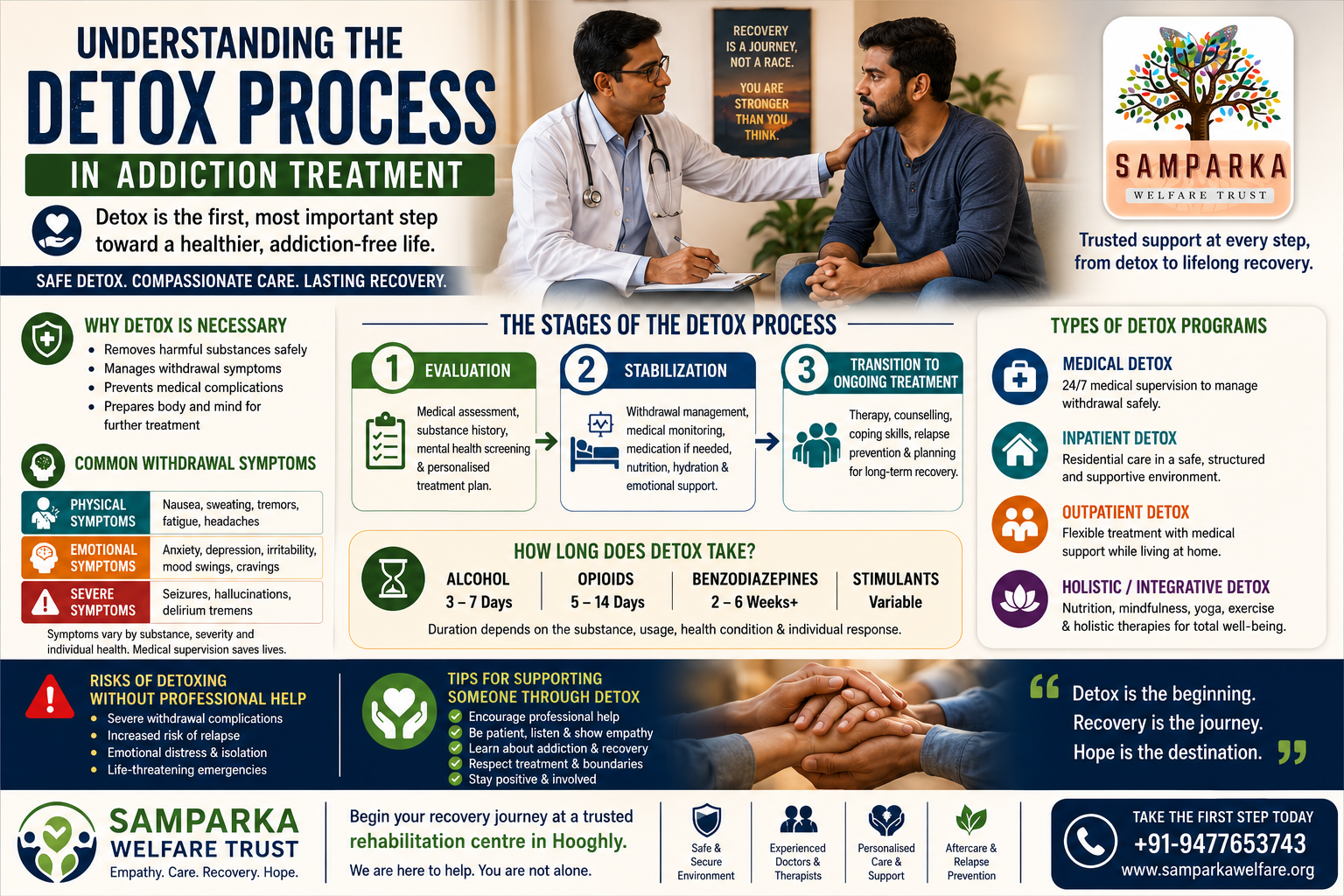
Medication-assisted treatment reduces dangerous withdrawal symptoms and intense cravings safely. Rehabilitation programs provide structured environments for emotional and physical healing. Support groups regularly create accountability, encouragement, and meaningful social connections. Healthy lifestyle changes also significantly improve recovery outcomes.
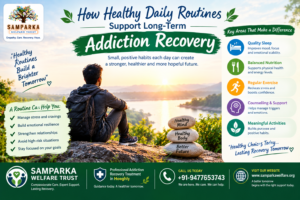
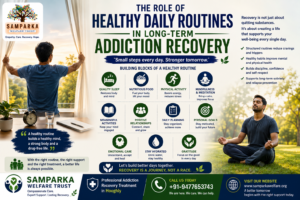
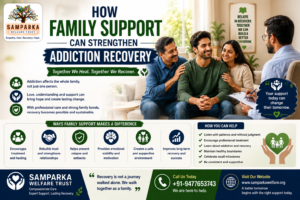
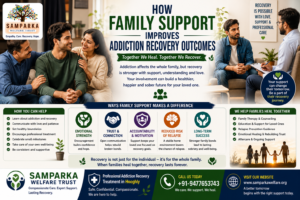
Exercise, nutrition, sleep, and mindfulness gradually improve emotional resilience. Strong support systems remain essential throughout recovery journeys. Family encouragement often increases motivation and emotional stability considerably. Community support effectively reduces loneliness and feelings of shame.
Healthcare professionals carefully guide individuals through personalised recovery plans. Long-term addiction treatment focuses on sustainable healing instead of temporary behavioural control. Recovery becomes possible through consistent persistence, compassion, and evidence-based care.
How Society Can Respond Better
Society must replace judgment with empathy and compassionate understanding immediately. Supportive conversations encourage people toward recovery instead of secrecy or denial. Public attitudes strongly influence emotional healing and treatment decisions daily. Affordable healthcare improves access to addiction treatment for vulnerable communities significantly.
Mental health support also prevents emotional crises from worsening dangerously. Early intervention effectively reduces long-term physical, emotional, and financial consequences. Schools, workplaces, and healthcare systems should consistently promote addiction awareness.
Educational programs challenge harmful stereotypes and misinformation surrounding addiction. Accurate information encourages compassion and responsible community support efforts.
Families also benefit from learning healthier communication strategies and emotional coping methods. Accessible addiction treatment saves lives and meaningfully strengthens communities. Greater awareness encourages understanding, reduces stigma, and supports long-term recovery journeys.
Addiction affects the brain, emotions, and behaviour in powerful ways. Society often judges people without fully understanding their struggles. Addiction is not a moral failure or a lack of character. People facing addiction deserve compassion, medical care, and emotional support consistently. Shame and criticism rarely encourage lasting recovery or healthier life choices.
Effective addiction treatment at Samparka Welfare Trust helps individuals gradually rebuild confidence, stability, and emotional strength. Families and communities also play important roles during recovery journeys. Greater awareness can reduce stigma and encourage more people to seek help early. “When we stop asking ‘Why don’t they just quit?’ and start asking ‘What help do they need?’, recovery becomes more possible.”