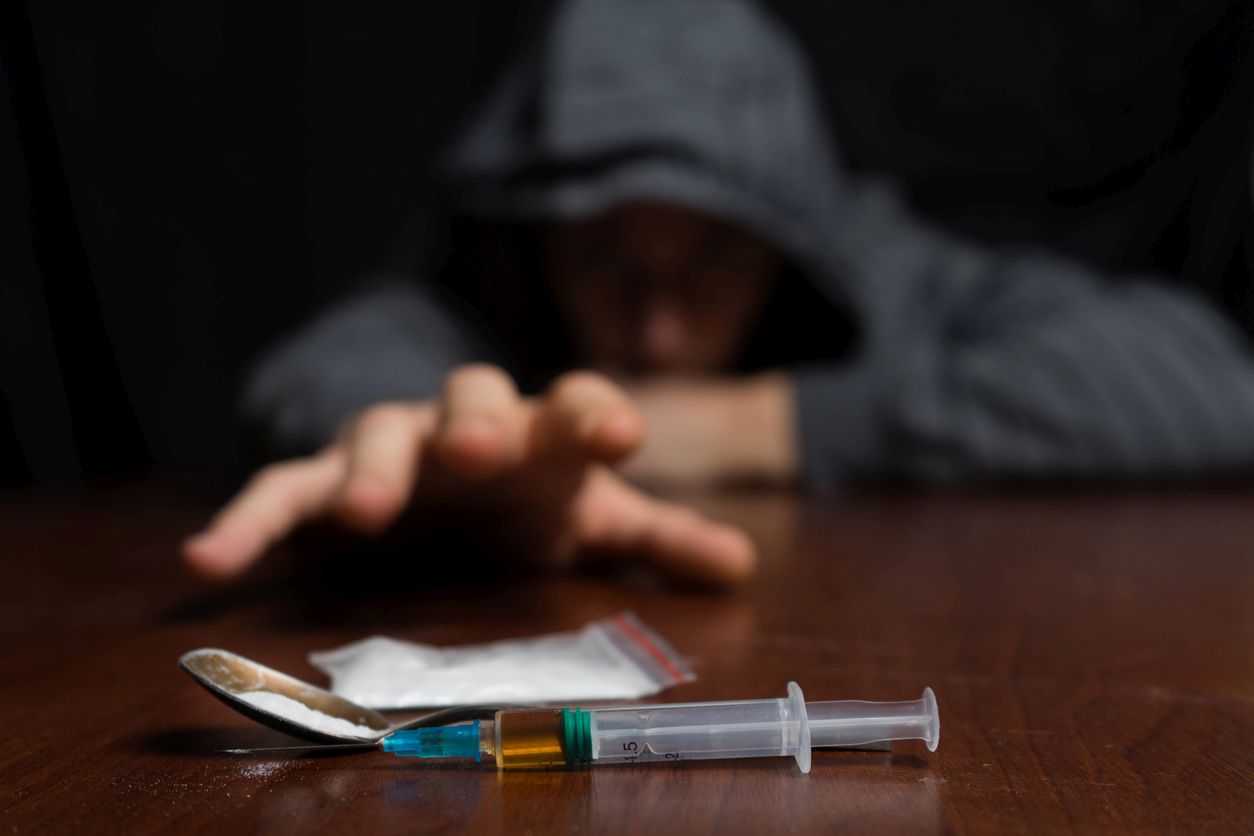
Late-night phone calls. Sudden silence during dinner. Falling grades without explanation. Teen life in Kolkata is changing faster than parents expect.
Many families notice small changes but ignore early warnings. Experimentation often begins with curiosity and peer influence. Cannabis, inhalants, party drugs, and misused prescriptions appear in teen circles.
Urban lifestyles and social media accelerate exposure to risky behaviors. Stress from academics and social pressure adds fuel.
Early awareness protects families from long-term damage. Timely action can prevent addiction before it grows stronger.
Guidance from parents and professionals matters deeply. Early support from a trusted rehab centre can change a teenager’s future.
Why Teens Are Vulnerable to Drug Use
Teenagers face intense social and emotional transitions. Many pressures increase vulnerability to substance use.
Peer Pressure and Social Influence
Teenagers strongly value acceptance from friends. Many try substances to fit into social groups. Parties, gatherings, and college environments often normalize experimentation. One risky decision can slowly lead toward addiction.
Academic Stress
Competitive education systems create immense pressure for teenagers. Students often struggle with high parental expectations and constant comparison. Many teenagers seek escape from exam stress and performance anxiety. Substances sometimes provide temporary relief.
Curiosity and Experimentation
Teen years naturally encourage curiosity and boundary testing. Social media often glamorizes partying and risky lifestyles. Movies and pop culture sometimes portray drug use as fashionable. Teenagers rarely understand long-term consequences.
Emotional or Mental Health Issues
Loneliness, anxiety, and depression affect many adolescents. Unresolved emotions can push teens toward harmful coping mechanisms. Drugs often promise temporary comfort but create deeper problems.
Parents who notice these vulnerabilities should respond early. Professional guidance from a rehab centre in Kolkata can help prevent deeper dependency.
Early Warning Signs Parents Should Watch For
Parents often miss early signals because changes appear gradual. Recognizing patterns early can prevent severe addiction.
Behavioral Signs
Sudden secrecy about activities may indicate risky behavior. Teenagers may avoid family conversations or hide phone interactions. New friend groups sometimes appear without explanation.
Academic performance may decline rapidly. Teenagers may lose interest in hobbies or sports they once loved.
Physical Signs
Bloodshot eyes often indicate substance use or sleep disruption. Sudden weight changes may occur without medical reasons. Poor hygiene sometimes appears when teens struggle emotionally. Frequent nosebleeds or coughing may signal inhalant misuse.
Emotional Signs
Mood swings may become frequent and unpredictable. Teenagers may show unusual irritability or aggression. Many begin isolating themselves from family members. Lack of motivation and persistent sadness may appear.
Parents should never ignore repeated warning signs. Open conversations and careful observation help identify underlying issues. Early consultation with a rehab centre can provide professional guidance and evaluation.
Common Drugs Teens May Encounter
Teenagers rarely begin with hard drugs immediately. Most experimentation starts with easily accessible substances.
Cannabis or marijuana remains one of the most commonly used substances. Many teens wrongly believe cannabis carries little risk.
Inhalants such as glue or correction fluid are dangerous household substances. These chemicals produce temporary highs but damage the brain and lungs.
Party drugs sometimes circulate in nightlife or social gatherings. These substances affect judgment, memory, and emotional stability.
Prescription medications also become misused among teenagers. Painkillers, sedatives, and stimulants may appear harmless but cause dependency.
Regular use increases physical and psychological addiction risks. Long-term damage may affect memory, mental health, and academic performance.
Families facing repeated substance use should consider professional intervention. Support from a specialized rehab centre can guide recovery and counseling.
What Parents Should Do If They Notice Warning Signs
Parents often react with anger or punishment. However, calm responses create better outcomes.
Start a Non-Judgmental Conversation
Parents should listen carefully before making accusations. Teenagers open up more when they feel understood. Avoid shouting, blaming, or threatening during discussions.
Monitor Behavior and Environment
Parents should observe daily routines and social circles. Knowing a teenager’s friends helps identify risky influences. Look for patterns in behavior, mood, and activities.
Seek Professional Guidance
Professional support can provide structured solutions. Addiction counselors understand teenage psychological challenges. Early therapy prevents deeper substance dependency.
Organizations like Narcotics Anonymous provide peer support networks. Institutions such as the National Institute of Mental Health and Neurosciences offer expert treatment resources.
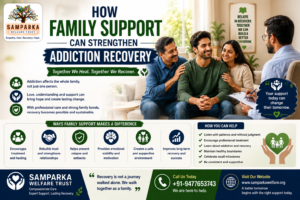
Families in Kolkata often seek guidance from Samparka Welfare Trust for addiction recovery. Counselors carefully evaluate emotional triggers and behavioral patterns.
Professional intervention from a rehab centre in Kolkata offers structured recovery programs. Experienced therapists help teenagers rebuild confidence and healthier coping habits. Early action prevents long-term addiction and emotional damage.
When Professional Help Is Needed
Occasional experimentation can quickly turn into dependency. Certain warning signs indicate the need for professional treatment.
Frequent cravings often signal developing addiction. Teenagers may prioritize substances over school or relationships. Withdrawal symptoms sometimes appear when drug use stops suddenly.
Common withdrawal symptoms include anxiety, irritability, insomnia, and physical discomfort. Some teenagers experience depression or extreme mood swings.
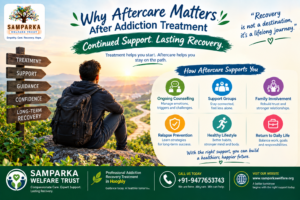
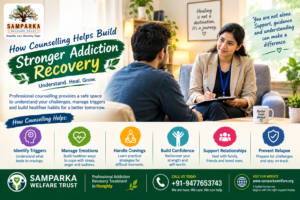
Therapy and counseling provide essential emotional support during recovery. Psychologists help teenagers understand triggers and coping strategies.
Addiction counselors create personalized treatment plans. Rehabilitation programs focus on behavioral therapy and family involvement.
Structured recovery environments significantly improve long-term outcomes. Professional care from a trusted rehab centre ensures safe detoxification and psychological recovery. Families often begin healing when teenagers receive proper treatment.
Preventing Teen Drug Use: What Parents Can Do Early
Prevention begins with strong relationships between parents and teenagers.
Open communication encourages honesty and trust. Teenagers feel safer discussing problems without fear of punishment.
Parents should educate teenagers about drug risks clearly. Real conversations often prevent curiosity-driven experimentation.
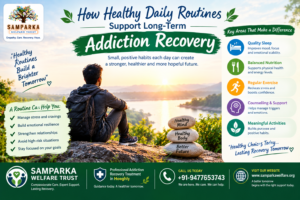
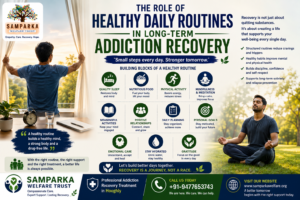
Encouraging sports, arts, and hobbies builds healthy confidence. Positive activities reduce boredom and emotional isolation.
Community engagement also strengthens support networks. Volunteer programs and youth groups encourage meaningful connections.
Parents should monitor online content and digital exposure carefully. Social media often influences teenage attitudes toward drugs.
Early awareness protects teenagers from risky decisions. Educational sessions conducted by organizations like Samparka Welfare Trust support families.
Preventive counseling programs offered through a rehab centre can guide parents and teenagers together.
Teen drug addiction rarely appears suddenly. Small warning signs often appear long before serious problems emerge. Parents who stay observant can detect early behavioral changes. Compassionate conversations often open doors to healing.
Supportive parenting builds emotional resilience in teenagers. Professional guidance strengthens recovery and prevention efforts. Families in Kolkata increasingly seek help from organizations like Samparka Welfare Trust. Early consultation with a trusted rehab centre can prevent lifelong addiction struggles.
Awareness, patience, and timely action save young lives. Every informed parent becomes a powerful protector of their child’s future.