Busy streets, late-night parties, and growing stress shape modern life in Kolkata. Beneath this vibrant energy, a quieter crisis continues to grow. Drug abuse now affects students, professionals, and even school-age teenagers. Social pressure, emotional struggles, and easy drug access often fuel the problem. Families frequently overlook early warning signs until addiction becomes severe.
Effective drug addiction treatment can save lives when intervention begins early. Awareness remains the first and most powerful step toward recovery. Organizations such as Samparka Welfare Trust actively support individuals facing substance problems.
This guide explores causes, symptoms, and reliable drug addiction treatment options available for residents seeking help.
What is Drug Abuse?
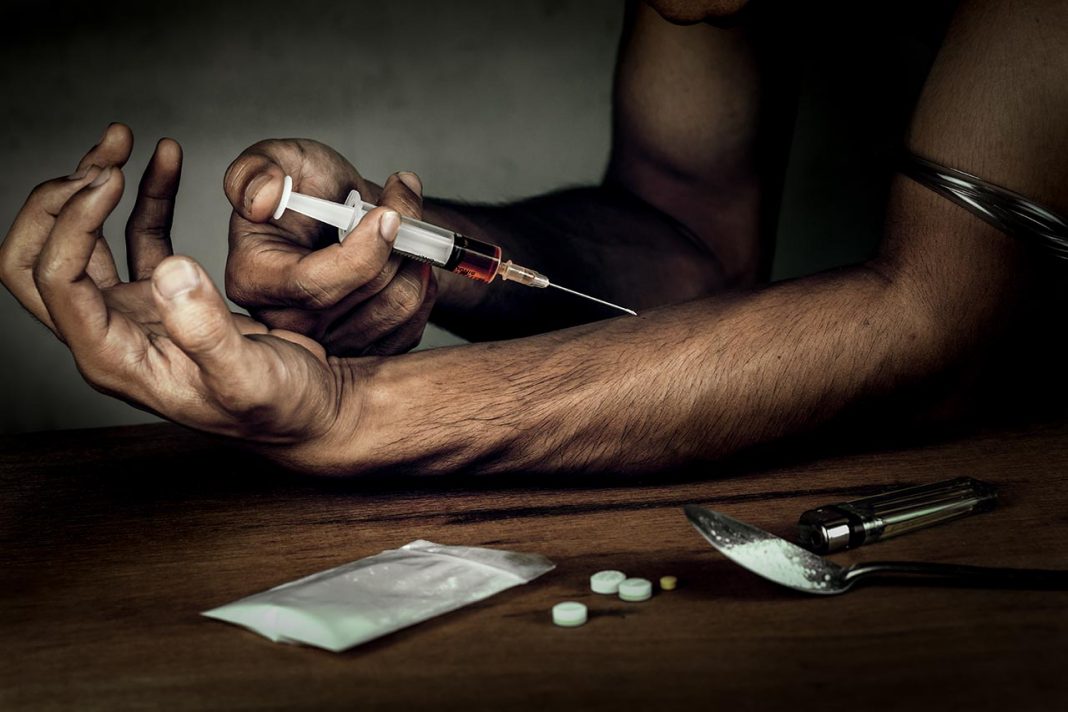
Drug abuse refers to the harmful or uncontrolled use of substances that alter the brain and behavior. Medical professionals describe severe dependency as Substance Use Disorder. This condition develops when repeated drug use changes brain chemistry and reduces self-control.
Understanding the difference between use, misuse, and addiction helps identify problems early. Drug use refers to occasional or medically supervised consumption. Misuse occurs when people take drugs incorrectly or without medical guidance. Addiction develops when individuals cannot stop using substances despite harmful consequences.
Commonly abused substances include alcohol, cannabis, prescription medications, heroin, and synthetic drugs. These substances can quickly damage physical and mental health when used irresponsibly.
Early awareness helps individuals seek drug addiction treatment before dependency worsens. Timely intervention improves recovery chances and prevents long-term health complications. Samparka Welfare Trust encourages people to recognize early warning signs and seek drug addiction treatment in Kolkata through professional support programs.
Common Causes of Drug Abuse in Kolkata
Multiple social and psychological factors contribute to drug abuse in Kolkata.
Peer Pressure and Youth Culture
College environments and nightlife often expose young adults to experimentation. Social acceptance sometimes encourages substance use at parties or gatherings.
Stress and Mental Health Issues
Academic competition and demanding careers increase emotional pressure. Many individuals struggle with Depression or Anxiety Disorder. Some people use drugs to escape emotional pain temporarily.
Easy Availability of Drugs
Urban drug networks and online markets make substances easier to obtain. Easy access increases the risk of experimentation among young people.
Family and Social Factors
Lack of parental supervision, family conflict, and traumatic experiences can push individuals toward substance use.
Curiosity and Experimentation
Teenagers and young adults often experiment due to curiosity. Without awareness, experimentation can quickly develop into addiction, requiring drug addiction treatment.
Signs and Symptoms of Drug Abuse
Recognizing early signs of addiction can prevent severe health consequences. Families should watch for physical, behavioral, and psychological changes.
Physical Symptoms
Drug abuse often produces noticeable physical changes. Bloodshot eyes frequently appear after substance use. Sudden weight loss or unexpected weight gain may indicate unhealthy drug habits. Poor hygiene and neglect of personal care also become common. Some individuals experience tremors, slow reactions, or slurred speech. Frequent fatigue and sleep problems may develop as addiction worsens.
Physical changes usually appear gradually, making early detection difficult. Professional assessment and timely drug addiction treatment can help reverse many health effects.
Behavioral Signs
Addiction also changes daily behavior. Secretive communication and unexplained absences may appear. Individuals sometimes borrow money frequently or face sudden financial problems. Hobbies, friendships, and personal interests slowly lose importance. Students may show declining academic performance, while professionals struggle with productivity.
Behavioral changes often strain family relationships and workplace stability. Early drug addiction treatment can help individuals regain control of their routines.
Psychological Symptoms
Substance abuse strongly affects emotional well-being. Mood swings frequently appear during addiction. People may experience intense anxiety, irritability, or paranoia. Many individuals also struggle with depression or severe emotional instability.
Long-term drug abuse can worsen mental health disorders and increase risky behavior. Timely counseling and drug addiction treatment programs can stabilize emotional health and support recovery.
Samparka Welfare Trust encourages families to watch for these warning signs and seek professional guidance immediately. Early action significantly improves recovery outcomes.
Impact of Drug Abuse
Drug addiction affects nearly every aspect of life. Physical health often deteriorates rapidly. Long-term drug abuse can damage the brain and liver. Overdose remains a serious risk, especially with synthetic drugs or heroin.
Addiction also disrupts family relationships. Frequent arguments, broken trust, and emotional distance often develop within households. Many individuals experiencing addiction withdraw socially and isolate themselves from loved ones.
Professional life also suffers. Employees struggling with substance abuse may face job loss or workplace disciplinary action. Students dealing with addiction may drop out or experience severe academic decline.
These consequences highlight the urgent need for effective drug addiction treatment programs. Early medical care and counseling can prevent long-term damage.
Samparka Welfare Trust focuses on restoring health, rebuilding relationships, and helping individuals return to productive lives through structured drug addiction treatment support.
Drug Abuse Statistics in India
Drug abuse has become a major public health concern across India. Reports from the Ministry of Social Justice and Empowerment reveal millions of people struggling with substance use. Alcohol and cannabis remain the most commonly abused substances nationwide.
Research conducted by the National Drug Dependence Treatment Centre shows that young adults between the ages of 18 and 35 face the highest risk. Early exposure, peer influence, and rising mental health stress contribute significantly to this trend.
Urban areas report increasing cases of synthetic drug use and prescription drug misuse. Unfortunately, many individuals avoid seeking professional help due to stigma or lack of awareness.
Improving access to drug addiction treatment services remains essential to address this challenge. Samparka Welfare Trust actively promotes community awareness and encourages people to seek drug addiction treatment before addiction causes irreversible damage.
Treatment Options in Kolkata
Several effective recovery programs exist for individuals seeking help in Kolkata.
Detoxification Programs
Medical detoxification removes harmful substances from the body under professional supervision. Doctors monitor withdrawal symptoms to ensure patient safety during early recovery.
Rehabilitation Centers
Specialized rehabilitation centers provide structured recovery programs. Institutions such as the Central Institute of Psychiatry and the National Institute of Mental Health and Neurosciences offer advanced addiction treatment guidance.
Counseling and Therapy
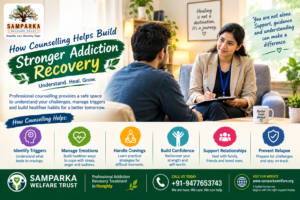
Therapies such as Cognitive Behavioral Therapy help individuals understand addiction triggers. Family counseling and peer support groups strengthen emotional recovery.
Government Helplines and Support
National initiatives by the Government of India provide helplines and rehabilitation programs. Samparka Welfare Trust also guides individuals toward reliable programs of drug addiction treatment in Kolkata for sustainable recovery.
How Families Can Help Someone With Drug Addiction
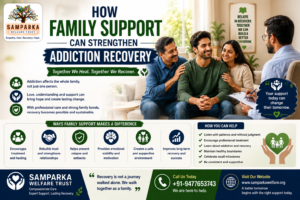
Family support plays a crucial role in addiction recovery. Compassion and understanding encourage individuals to seek help. Judgment or blame often increases emotional distress and delays recovery.
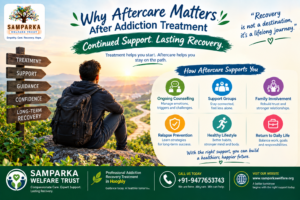
Families should openly discuss concerns and encourage professional consultation. Supporting structured drug addiction treatment programs can improve recovery outcomes significantly. Monitoring relapse risks also remains important after initial recovery.
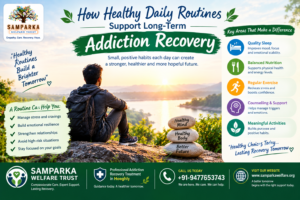
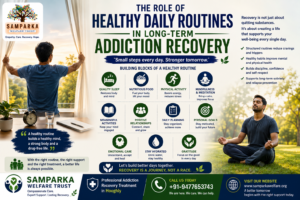
Creating a supportive home environment helps individuals maintain sobriety. Families should remove triggers and encourage healthy routines such as exercise and counseling sessions.
Participation in family therapy or community support groups can also strengthen recovery progress. Samparka Welfare Trust regularly organizes awareness programs and counseling sessions for families dealing with addiction.
Consistent emotional support, patience, and encouragement often make the difference between relapse and long-term recovery through effective drug addiction treatment.
Prevention Strategies
Prevention remains the most effective approach to reducing drug abuse. Education programs in schools help students understand addiction risks early. Awareness campaigns encourage responsible behavior and informed decision-making.
Community initiatives also play an important role in prevention. Local organizations often conduct seminars, workshops, and counseling sessions to educate young people. Mental health support services can address emotional struggles before individuals turn to drugs.
Parents and teachers should promote open communication about substance abuse. Early guidance helps teenagers avoid harmful experimentation.
Global organizations such as the World Health Organization emphasize prevention through education, healthcare support, and policy reforms.
Samparka Welfare Trust actively participates in awareness campaigns across communities in Kolkata. Preventive education and access to reliable drug addiction treatment resources help protect vulnerable individuals from developing addiction.
Drug addiction remains a serious challenge affecting families and communities in Kolkata. Early awareness and timely intervention can transform lives. Addiction may appear overwhelming, but recovery always remains possible with proper care.
Professional drug addiction treatment programs provide medical support, therapy, and long-term rehabilitation. Organizations like Samparka Welfare Trust guide individuals toward safe and effective recovery solutions.
Community awareness also plays a vital role in preventing substance abuse. Families, educators, and healthcare providers must work together to address this growing issue.
Recognizing warning signs early and seeking professional help can truly make a life-saving difference.