
How Long Does Addiction Recovery Actually Take?
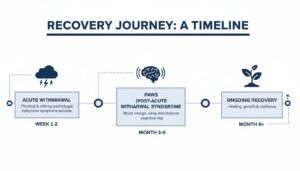
Recovery timelines spark curiosity, fear, and endless confusion. “So… how long until I’m ‘recovered’?” echoes in many minds. Answers rarely sound simple, and that uncertainty feels frustrating. Quick fixes tempt people searching for relief and clarity. Reality often challenges those expectations in unexpected ways. Addiction recovery treatment does not follow a predictable schedule. Every journey unfolds differently, shaped by unique experiences. Some progress quickly, while others move through gradual transformation. Hope grows stronger when expectations become realistic. Understanding timelines begins with accepting complexity, not chasing shortcuts. What Do We Mean by ‘Recovery’? Recovery means far more than simply quitting a substance. It involves rebuilding a stable and meaningful life. Addiction recovery treatment focuses on healing the body, mind, and emotions together. Physical recovery restores strength, sleep, and overall health over time. Mental healing improves clarity, focus, and decision-making abilities. Emotional recovery addresses trauma, stress, and unresolved pain. People learn healthier coping mechanisms instead of relying on substances. Relationships often need repair and rebuilding during this phase. Recovery also includes rediscovering purpose and personal identity. It is not a single milestone or final destination. Instead, it is an ongoing journey of growth, awareness, and self-improvement that evolves daily. The Myth of a Fixed Timeline Many believe addiction recovery follows a strict and predictable timeline. Programs promising quick results often reinforce this misconception. Statements like “30 days and you’re cured” create unrealistic expectations. Addiction recovery treatment in Kolkata varies greatly depending on individual circumstances. Each person’s history, health, and environment influence progress differently. Some recover quickly in certain areas but struggle in others. Others may require longer periods for deep emotional healing. Chronic conditions often require ongoing care and monitoring. Recovery sometimes becomes a lifelong commitment to wellness and stability. Accepting flexibility in timelines reduces frustration and disappointment. Real progress comes from consistency, not speed or rigid deadlines. Typical Stages of Addiction Recovery Addiction recovery treatment generally progresses through several key stages. Each stage plays a critical role in long-term success. Detox (Days to Weeks) Detox marks the initial phase of physical withdrawal. The body eliminates harmful substances during this period. Symptoms can range from mild discomfort to severe complications. Medical supervision ensures safety and significantly reduces health risks. Early Recovery (1–3 Months) Early recovery brings emotional ups and downs. Cravings often remain strong and unpredictable. Individuals begin learning coping strategies to manage triggers. Support systems become essential during this vulnerable stage. Active Recovery (3–12 Months) Active recovery focuses on deeper transformation. Therapy helps uncover the underlying causes of addiction. Individuals rebuild routines and develop healthier habits. Confidence gradually grows as stability improves. Long-Term Recovery (1 Year and Beyond) Long-term recovery emphasizes maintenance and relapse prevention. Personal growth becomes a central focus. Individuals rebuild identity, relationships, and life goals. Progress continues as recovery becomes part of daily living. Factors That Influence Recovery Time Several factors determine how long recovery may take. Addiction recovery treatment outcomes depend on the type of substance used. Certain substances create stronger physical and psychological dependence. Duration and severity of addiction also play a major role. Long-term use often requires extended recovery periods. Co-occurring mental health conditions can slow progress significantly. Anxiety, depression, or trauma may need simultaneous treatment. Support systems greatly influence the success and speed of recovery. Family, therapy, and community encouragement improve outcomes. Environment and lifestyle also shape recovery experiences. Stressful or triggering surroundings can delay progress. Stable, supportive environments help individuals maintain consistency and motivation throughout their journey. Why Recovery Often Takes Longer Than Expected Recovery often feels slower than people initially expect. Addiction recovery treatment involves complex biological and psychological processes. Brain chemistry needs time to stabilize after prolonged substance use. Neural pathways gradually adjust to healthier patterns. Behavioral habits built over the years do not disappear quickly. Individuals must consciously replace harmful routines with positive actions. Emotional healing often takes longer than physical recovery. Unresolved trauma and stress require careful attention and therapy. Patience becomes essential during this phase. Progress may seem invisible at times, but meaningful change steadily continues beneath the surface. Relapse: Does It Reset the Clock? Relapse forms part of many recovery journeys. It does not erase previous progress or efforts. Addiction recovery treatment in Kolkata recognizes relapse as a learning opportunity. Individuals can identify triggers and improve coping strategies. Viewing relapse as failure often leads to discouragement and withdrawal. Instead, it should encourage reflection and adjustment. Recovery remains a continuous process, not a single event. Many people achieve lasting success after experiencing setbacks. Support systems play a crucial role during these moments. With proper guidance, individuals can return stronger and more aware. Growth often emerges from understanding mistakes and making better choices moving forward. What Progress Actually Looks Like Progress in recovery rarely appears dramatic or immediate. Addiction recovery treatment often produces subtle yet meaningful improvements. Better sleep patterns signal physical and mental healing. Emotional stability gradually replaces frequent mood swings. Relationships begin to rebuild through trust and communication. Individuals develop healthier responses to stress and challenges. Small wins accumulate into significant long-term change. Expecting rapid transformation can lead to disappointment. Realistic expectations help maintain motivation and consistency. Progress includes learning, adapting, and improving daily habits. Each positive step, no matter how small, contributes to a stronger and healthier future over time. How to Support the Recovery Process Supporting recovery requires consistent effort and structured guidance. Addiction recovery treatment benefits greatly from therapy and support groups. Professional help provides tools for managing triggers and emotions. Establishing daily routines creates stability and reduces uncertainty. Healthy habits play a vital role in long-term success. Proper sleep, balanced nutrition, and regular exercise strengthen resilience. Avoiding high-risk environments reduces the chances of relapse. Building a supportive network encourages accountability and motivation. Friends and family can offer emotional strength during difficult moments. Recovery becomes more sustainable when individuals actively engage in positive and structured lifestyle changes. When Does Recovery ‘End’? Recovery rarely has a clear or final endpoint. Addiction recovery treatment evolves into a lifelong commitment for many individuals. Instead of focusing

Teen Drug Addiction in Kolkata: Early Signs and How Parents Can Intervene
Late-night phone calls. Sudden silence during dinner. Falling grades without explanation. Teen life in Kolkata is changing faster than parents expect. Many families notice small changes but ignore early warnings. Experimentation often begins with curiosity and peer influence. Cannabis, inhalants, party drugs, and misused prescriptions appear in teen circles. Urban lifestyles and social media accelerate exposure to risky behaviors. Stress from academics and social pressure adds fuel. Early awareness protects families from long-term damage. Timely action can prevent addiction before it grows stronger. Guidance from parents and professionals matters deeply. Early support from a trusted rehab centre can change a teenager’s future. Why Teens Are Vulnerable to Drug Use Teenagers face intense social and emotional transitions. Many pressures increase vulnerability to substance use. Peer Pressure and Social Influence Teenagers strongly value acceptance from friends. Many try substances to fit into social groups. Parties, gatherings, and college environments often normalize experimentation. One risky decision can slowly lead toward addiction. Academic Stress Competitive education systems create immense pressure for teenagers. Students often struggle with high parental expectations and constant comparison. Many teenagers seek escape from exam stress and performance anxiety. Substances sometimes provide temporary relief. Curiosity and Experimentation Teen years naturally encourage curiosity and boundary testing. Social media often glamorizes partying and risky lifestyles. Movies and pop culture sometimes portray drug use as fashionable. Teenagers rarely understand long-term consequences. Emotional or Mental Health Issues Loneliness, anxiety, and depression affect many adolescents. Unresolved emotions can push teens toward harmful coping mechanisms. Drugs often promise temporary comfort but create deeper problems. Parents who notice these vulnerabilities should respond early. Professional guidance from a rehab centre in Kolkata can help prevent deeper dependency. Early Warning Signs Parents Should Watch For Parents often miss early signals because changes appear gradual. Recognizing patterns early can prevent severe addiction. Behavioral Signs Sudden secrecy about activities may indicate risky behavior. Teenagers may avoid family conversations or hide phone interactions. New friend groups sometimes appear without explanation. Academic performance may decline rapidly. Teenagers may lose interest in hobbies or sports they once loved. Physical Signs Bloodshot eyes often indicate substance use or sleep disruption. Sudden weight changes may occur without medical reasons. Poor hygiene sometimes appears when teens struggle emotionally. Frequent nosebleeds or coughing may signal inhalant misuse. Emotional Signs Mood swings may become frequent and unpredictable. Teenagers may show unusual irritability or aggression. Many begin isolating themselves from family members. Lack of motivation and persistent sadness may appear. Parents should never ignore repeated warning signs. Open conversations and careful observation help identify underlying issues. Early consultation with a rehab centre can provide professional guidance and evaluation. Common Drugs Teens May Encounter Teenagers rarely begin with hard drugs immediately. Most experimentation starts with easily accessible substances. Cannabis or marijuana remains one of the most commonly used substances. Many teens wrongly believe cannabis carries little risk. Inhalants such as glue or correction fluid are dangerous household substances. These chemicals produce temporary highs but damage the brain and lungs. Party drugs sometimes circulate in nightlife or social gatherings. These substances affect judgment, memory, and emotional stability. Prescription medications also become misused among teenagers. Painkillers, sedatives, and stimulants may appear harmless but cause dependency. Regular use increases physical and psychological addiction risks. Long-term damage may affect memory, mental health, and academic performance. Families facing repeated substance use should consider professional intervention. Support from a specialized rehab centre can guide recovery and counseling. What Parents Should Do If They Notice Warning Signs Parents often react with anger or punishment. However, calm responses create better outcomes. Start a Non-Judgmental Conversation Parents should listen carefully before making accusations. Teenagers open up more when they feel understood. Avoid shouting, blaming, or threatening during discussions. Monitor Behavior and Environment Parents should observe daily routines and social circles. Knowing a teenager’s friends helps identify risky influences. Look for patterns in behavior, mood, and activities. Seek Professional Guidance Professional support can provide structured solutions. Addiction counselors understand teenage psychological challenges. Early therapy prevents deeper substance dependency. Organizations like Narcotics Anonymous provide peer support networks. Institutions such as the National Institute of Mental Health and Neurosciences offer expert treatment resources. Families in Kolkata often seek guidance from Samparka Welfare Trust for addiction recovery. Counselors carefully evaluate emotional triggers and behavioral patterns. Professional intervention from a rehab centre in Kolkata offers structured recovery programs. Experienced therapists help teenagers rebuild confidence and healthier coping habits. Early action prevents long-term addiction and emotional damage. When Professional Help Is Needed Occasional experimentation can quickly turn into dependency. Certain warning signs indicate the need for professional treatment. Frequent cravings often signal developing addiction. Teenagers may prioritize substances over school or relationships. Withdrawal symptoms sometimes appear when drug use stops suddenly. Common withdrawal symptoms include anxiety, irritability, insomnia, and physical discomfort. Some teenagers experience depression or extreme mood swings. Therapy and counseling provide essential emotional support during recovery. Psychologists help teenagers understand triggers and coping strategies. Addiction counselors create personalized treatment plans. Rehabilitation programs focus on behavioral therapy and family involvement. Structured recovery environments significantly improve long-term outcomes. Professional care from a trusted rehab centre ensures safe detoxification and psychological recovery. Families often begin healing when teenagers receive proper treatment. Preventing Teen Drug Use: What Parents Can Do Early Prevention begins with strong relationships between parents and teenagers. Open communication encourages honesty and trust. Teenagers feel safer discussing problems without fear of punishment. Parents should educate teenagers about drug risks clearly. Real conversations often prevent curiosity-driven experimentation. Encouraging sports, arts, and hobbies builds healthy confidence. Positive activities reduce boredom and emotional isolation. Community engagement also strengthens support networks. Volunteer programs and youth groups encourage meaningful connections. Parents should monitor online content and digital exposure carefully. Social media often influences teenage attitudes toward drugs. Early awareness protects teenagers from risky decisions. Educational sessions conducted by organizations like Samparka Welfare Trust support families. Preventive counseling programs offered through a rehab centre can guide parents and teenagers together. Teen drug addiction rarely appears suddenly. Small warning signs often appear long before serious problems emerge. Parents who stay observant can detect early behavioral changes. Compassionate conversations often open doors to healing. Supportive parenting builds

Understanding Drug Abuse in Kolkata: Causes, Symptoms, and Local Treatment Options
Busy streets, late-night parties, and growing stress shape modern life in Kolkata. Beneath this vibrant energy, a quieter crisis continues to grow. Drug abuse now affects students, professionals, and even school-age teenagers. Social pressure, emotional struggles, and easy drug access often fuel the problem. Families frequently overlook early warning signs until addiction becomes severe. Effective drug addiction treatment can save lives when intervention begins early. Awareness remains the first and most powerful step toward recovery. Organizations such as Samparka Welfare Trust actively support individuals facing substance problems. This guide explores causes, symptoms, and reliable drug addiction treatment options available for residents seeking help. What is Drug Abuse? Drug abuse refers to the harmful or uncontrolled use of substances that alter the brain and behavior. Medical professionals describe severe dependency as Substance Use Disorder. This condition develops when repeated drug use changes brain chemistry and reduces self-control. Understanding the difference between use, misuse, and addiction helps identify problems early. Drug use refers to occasional or medically supervised consumption. Misuse occurs when people take drugs incorrectly or without medical guidance. Addiction develops when individuals cannot stop using substances despite harmful consequences. Commonly abused substances include alcohol, cannabis, prescription medications, heroin, and synthetic drugs. These substances can quickly damage physical and mental health when used irresponsibly. Early awareness helps individuals seek drug addiction treatment before dependency worsens. Timely intervention improves recovery chances and prevents long-term health complications. Samparka Welfare Trust encourages people to recognize early warning signs and seek drug addiction treatment in Kolkata through professional support programs. Common Causes of Drug Abuse in Kolkata Multiple social and psychological factors contribute to drug abuse in Kolkata. Peer Pressure and Youth Culture College environments and nightlife often expose young adults to experimentation. Social acceptance sometimes encourages substance use at parties or gatherings. Stress and Mental Health Issues Academic competition and demanding careers increase emotional pressure. Many individuals struggle with Depression or Anxiety Disorder. Some people use drugs to escape emotional pain temporarily. Easy Availability of Drugs Urban drug networks and online markets make substances easier to obtain. Easy access increases the risk of experimentation among young people. Family and Social Factors Lack of parental supervision, family conflict, and traumatic experiences can push individuals toward substance use. Curiosity and Experimentation Teenagers and young adults often experiment due to curiosity. Without awareness, experimentation can quickly develop into addiction, requiring drug addiction treatment. Signs and Symptoms of Drug Abuse Recognizing early signs of addiction can prevent severe health consequences. Families should watch for physical, behavioral, and psychological changes. Physical Symptoms Drug abuse often produces noticeable physical changes. Bloodshot eyes frequently appear after substance use. Sudden weight loss or unexpected weight gain may indicate unhealthy drug habits. Poor hygiene and neglect of personal care also become common. Some individuals experience tremors, slow reactions, or slurred speech. Frequent fatigue and sleep problems may develop as addiction worsens. Physical changes usually appear gradually, making early detection difficult. Professional assessment and timely drug addiction treatment can help reverse many health effects. Behavioral Signs Addiction also changes daily behavior. Secretive communication and unexplained absences may appear. Individuals sometimes borrow money frequently or face sudden financial problems. Hobbies, friendships, and personal interests slowly lose importance. Students may show declining academic performance, while professionals struggle with productivity. Behavioral changes often strain family relationships and workplace stability. Early drug addiction treatment can help individuals regain control of their routines. Psychological Symptoms Substance abuse strongly affects emotional well-being. Mood swings frequently appear during addiction. People may experience intense anxiety, irritability, or paranoia. Many individuals also struggle with depression or severe emotional instability. Long-term drug abuse can worsen mental health disorders and increase risky behavior. Timely counseling and drug addiction treatment programs can stabilize emotional health and support recovery. Samparka Welfare Trust encourages families to watch for these warning signs and seek professional guidance immediately. Early action significantly improves recovery outcomes. Impact of Drug Abuse Drug addiction affects nearly every aspect of life. Physical health often deteriorates rapidly. Long-term drug abuse can damage the brain and liver. Overdose remains a serious risk, especially with synthetic drugs or heroin. Addiction also disrupts family relationships. Frequent arguments, broken trust, and emotional distance often develop within households. Many individuals experiencing addiction withdraw socially and isolate themselves from loved ones. Professional life also suffers. Employees struggling with substance abuse may face job loss or workplace disciplinary action. Students dealing with addiction may drop out or experience severe academic decline. These consequences highlight the urgent need for effective drug addiction treatment programs. Early medical care and counseling can prevent long-term damage. Samparka Welfare Trust focuses on restoring health, rebuilding relationships, and helping individuals return to productive lives through structured drug addiction treatment support. Drug Abuse Statistics in India Drug abuse has become a major public health concern across India. Reports from the Ministry of Social Justice and Empowerment reveal millions of people struggling with substance use. Alcohol and cannabis remain the most commonly abused substances nationwide. Research conducted by the National Drug Dependence Treatment Centre shows that young adults between the ages of 18 and 35 face the highest risk. Early exposure, peer influence, and rising mental health stress contribute significantly to this trend. Urban areas report increasing cases of synthetic drug use and prescription drug misuse. Unfortunately, many individuals avoid seeking professional help due to stigma or lack of awareness. Improving access to drug addiction treatment services remains essential to address this challenge. Samparka Welfare Trust actively promotes community awareness and encourages people to seek drug addiction treatment before addiction causes irreversible damage. Treatment Options in Kolkata Several effective recovery programs exist for individuals seeking help in Kolkata. Detoxification Programs Medical detoxification removes harmful substances from the body under professional supervision. Doctors monitor withdrawal symptoms to ensure patient safety during early recovery. Rehabilitation Centers Specialized rehabilitation centers provide structured recovery programs. Institutions such as the Central Institute of Psychiatry and the National Institute of Mental Health and Neurosciences offer advanced addiction treatment guidance. Counseling and Therapy Therapies such as Cognitive
How Samparka Welfare Trust Supports Drug Addiction Recovery in Kolkata
Bustling streets of Kolkata hide silent battles many families never discuss. Addiction quietly enters homes, friendships, and workplaces across the city. Growing substance abuse now pushes many families to search for a trusted rehabilitation centre. Late nights, secrecy, and emotional distance slowly fracture once-happy households. Communities witness rising health crises and youth losing direction. Effective drug addiction recovery requires compassion, awareness, and professional care. Reliable support systems guide individuals toward healing and stability. Dedicated rehabilitation centre services provide structured recovery pathways for struggling individuals. Samparka Welfare Trust works tirelessly to support drug addiction recovery in Kolkata communities. Mission focuses on restoring hope, dignity, and long-term healing for individuals and families. Understanding Drug Addiction Drug addiction describes a chronic condition where substances control behavior and decision-making. Dependence develops when repeated drug use alters brain chemistry and emotional regulation. Strong cravings push individuals toward harmful habits despite serious consequences. Several factors often contribute to addiction. Peer pressure frequently encourages experimentation, especially among teenagers and young adults. Untreated anxiety, depression, or trauma often leads people toward substance misuse. Stress from academic, financial, or personal struggles increases vulnerability. Limited awareness about risks also encourages dangerous experimentation. Addiction damages both individuals and families in multiple ways. Physical health declines through organ damage, weakened immunity, and chronic fatigue. Emotional instability causes anger, anxiety, and withdrawal from loved ones. Financial problems arise due to job loss and uncontrolled spending on substances. Families often seek help from a trusted rehabilitation centre in Kolkata for drug addiction recovery. Early treatment at a professional rehabilitation centre significantly improves long-term recovery outcomes. The Role of Rehabilitation Centers in Recovery Professional support plays a critical role in overcoming addiction. Substance dependence affects both brain function and emotional stability. Self-recovery attempts rarely succeed without structured medical and psychological support. A professional rehabilitation centre provides a safe and controlled environment for recovery. Medical teams monitor withdrawal symptoms and prevent serious health complications. Doctors design treatment plans based on individual health conditions and addiction severity. Structured rehabilitation programs create stability and accountability for recovering individuals. Daily schedules include therapy sessions, counseling, wellness activities, and recovery education. Consistent routines gradually replace destructive habits with healthier lifestyle patterns. Therapy remains the core element of successful drug addiction recovery. Individual counseling helps patients identify emotional triggers and unhealthy coping behaviors. Group therapy builds peer encouragement and shared motivation during recovery journeys. Family counseling rebuilds trust and communication within affected households. Medical supervision ensures safety during detox and throughout treatment stages. A professional rehabilitation centre combines medical care, therapy, and emotional guidance. Comprehensive treatment greatly increases success in long-term drug addiction recovery. Supportive professionals also guide patients toward relapse prevention and lifestyle rebuilding. About Samparka Welfare Trust Samparka Welfare Trust stands as a dedicated organization supporting addiction recovery and rehabilitation. Mission focuses on helping individuals rebuild stable and healthy lives. Vision emphasizes compassionate treatment, dignity, and sustainable drug addiction recovery solutions. Samparka Welfare Trust actively serves communities across Kolkata and nearby regions. Community outreach programs spread awareness about substance abuse and mental health. Educational initiatives encourage early intervention and responsible lifestyle choices. Individuals struggling with substance dependence often approach the organization for professional help. Families seeking guidance also receive counseling and emotional support services. A supportive environment of a rehabilitation centre in Kolkata helps patients begin recovery with confidence. Samparka Welfare Trust believes addiction treatment must involve both individuals and families. Holistic recovery programs encourage accountability, healing, and long-term personal growth. Services Offered by Samparka Welfare Trust Samparka Welfare Trust provides comprehensive services designed for sustainable addiction recovery. Each program focuses on safety, emotional healing, and long-term stability. Detoxification support forms the first step of treatment. Medical professionals supervise withdrawal symptoms in a controlled rehabilitation centre environment. Careful monitoring protects patients from severe health risks during detox. Counseling and therapy play a central role in recovery programs. Individual therapy sessions explore personal triggers and emotional challenges. Group therapy encourages shared experiences and collective healing. Psychological support helps patients develop healthier coping mechanisms. Rehabilitation programs introduce structured daily routines and positive lifestyle habits. Skill development workshops prepare individuals for employment and independent living. Behavioral therapy encourages responsibility, discipline, and healthier decision-making. Family counseling strengthens support systems during the drug addiction recovery process. Therapists educate families about addiction, communication, and emotional boundaries. Healthy family involvement greatly improves recovery success rates. Comprehensive services ensure every patient receives personalized care and professional guidance. Samparka Welfare Trust remains committed to building stronger, addiction-free communities. Holistic Recovery Approach Successful recovery involves more than stopping substance use. Long-term healing requires emotional balance, healthy habits, and community support. Holistic treatment programs address psychological and social factors behind addiction. Mental health therapy helps patients manage stress, trauma, and anxiety. Improved emotional awareness strengthens long-term drug addiction recovery outcomes. Meditation and mindfulness practices improve focus, patience, and emotional control. Regular wellness activities encourage healthier physical and mental lifestyles. Community support also strengthens motivation during difficult recovery stages. Peer encouragement builds confidence and accountability throughout the healing process. Lifestyle rebuilding forms an important part of treatment programs. Patients learn time management, career skills, and relationship rebuilding strategies. A supportive rehabilitation centre environment guides individuals toward long-term independence and stability. Why Choose Samparka Welfare Trust for Addiction Recovery Samparka Welfare Trust provides professional and compassionate addiction treatment services. Experienced counselors understand the emotional and psychological complexities of addiction. Dedicated professionals design personalized treatment strategies for every patient. A safe and supportive rehabilitation centre environment promotes trust and motivation for recovery. Patients receive respectful care throughout each stage of treatment. Compassionate staff members encourage patients during difficult recovery phases. Therapists guide individuals through emotional challenges and relapse prevention strategies. Supportive recovery environments increase confidence and motivation for positive change. Structured programs also focus on sustainable drug addiction recovery outcomes. Long-term recovery remains the primary goal of every treatment program. Samparka Welfare Trust continues helping individuals rebuild healthy and productive lives. How to Get Help Recognizing addiction signs marks the first step toward recovery. Unusual behavior changes, secrecy, and declining health often

Alcohol Withdrawal & Detox in Kolkata: What You Should Know Before Starting Treatment
Late-night promises to quit drinking often disappear by morning. Morning headaches whisper a different story every day. Alcohol dependence quietly tightens its grip before most people notice. Families worry. Friends suggest help. Silence grows heavier. Real change begins with the first brave step: detox. Detox removes alcohol from the body and prepares the mind for recovery. However, withdrawal symptoms can become dangerous without medical supervision. Professional alcohol addiction treatment ensures safety during this difficult phase. People in Kolkata increasingly seek structured support for recovery. Trusted organizations like Samparka Welfare Trust guide individuals toward safe healing. This guide explains alcohol withdrawal, detox timelines, and treatment expectations. Knowledge helps individuals begin alcohol addiction treatment with confidence. What Is Alcohol Withdrawal? Alcohol withdrawal describes the physical and psychological symptoms that appear after someone stops drinking suddenly. Regular alcohol use changes how the brain functions. Over time, the brain adapts to alcohol’s calming effects and begins to depend on it to maintain balance. When drinking stops abruptly, the nervous system becomes overactive. The brain struggles to regain its natural chemical balance. This sudden adjustment triggers uncomfortable and sometimes dangerous symptoms. These reactions are known as alcohol withdrawal. Long-term drinking causes the body to treat alcohol like a necessary substance. Once alcohol disappears, the body reacts with stress signals such as anxiety, shaking, or sleep disturbances. Detox helps the body slowly stabilize during this adjustment phase. Professional programs of alcohol addiction treatment in Kolkata carefully manage these symptoms through medical supervision and structured care. Many individuals also benefit from alcohol addiction therapy, which addresses emotional triggers that lead to alcohol dependence. Understanding withdrawal helps people approach alcohol addiction treatment with realistic expectations and stronger commitment. Common Alcohol Withdrawal Symptoms Alcohol withdrawal symptoms vary in intensity depending on drinking history, health condition, and duration of alcohol use. Some individuals experience mild discomfort, while others develop severe complications. Early recognition of symptoms helps ensure timely alcohol addiction treatment. Mild Symptoms Mild symptoms often appear first and may feel similar to those of the flu or stress-related reactions. These include: Anxiety Headache Nausea Sweating Insomnia These symptoms usually begin within hours after the last drink. Many individuals ignore them and continue drinking to avoid discomfort. However, professional alcohol addiction therapy can help manage these early symptoms safely. Moderate Symptoms As withdrawal progresses, symptoms may intensify. Moderate symptoms can include: Increased heart rate Tremors or shaking hands Irritability and mood swings Confusion or difficulty concentrating These symptoms indicate the nervous system is struggling to adjust without alcohol. Medical professionals often recommend supervised alcohol addiction treatment at this stage to prevent complications. Severe Symptoms Severe withdrawal symptoms require immediate medical attention. These may include: Seizures Hallucinations Delirium tremens (DTs) Delirium tremens is a life-threatening condition involving severe confusion, fever, agitation, and hallucinations. Without prompt care, it can become fatal. Specialized medical teams in a rehabilitation centre closely monitor patients to prevent such complications. Safe detox programs combine medication, monitoring, and alcohol addiction therapy to stabilize the body and mind. Early medical intervention significantly improves safety during alcohol addiction treatment and increases the chances of successful recovery. Alcohol Withdrawal Timeline Alcohol withdrawal usually follows a predictable timeline after the final drink. However, each individual experiences symptoms differently depending on drinking habits and overall health. Medical professionals often monitor patients closely during alcohol addiction treatment to manage symptoms safely. 6–12 Hours After the Last Drink Early withdrawal symptoms often appear within the first few hours. Individuals may experience anxiety, headaches, nausea, and restlessness. Sleep disturbances and sweating are also common. These symptoms may seem manageable, but they signal the beginning of the body’s adjustment process. 12–24 Hours During this stage, symptoms can become more noticeable. Tremors may develop, particularly in the hands. Some individuals also experience mild hallucinations, such as seeing or hearing things that are not present. Doctors typically begin structured alcohol addiction therapy to reduce discomfort and stabilize the nervous system. 24–48 Hours The risk of seizures increases during this phase. Sudden seizures can occur without warning, making medical supervision essential. Patients undergoing alcohol addiction treatment often receive medications to reduce seizure risk and control severe agitation. 48–72 Hours Withdrawal symptoms usually peak during this period. Some individuals may develop delirium tremens, which includes severe confusion, fever, hallucinations, and rapid heartbeat. Immediate treatment in a rehabilitation centre becomes critical during this stage. The exact timeline varies from person to person. Factors such as drinking history, physical health, and previous detox experiences influence withdrawal intensity. Structured alcohol addiction treatment programs ensure the body passes through each stage safely. Why Medical Detox Is Important Alcohol detox should never happen without professional supervision. Sudden withdrawal can trigger serious complications that require immediate medical care. Medical detox programs monitor vital signs such as heart rate, blood pressure, and body temperature. Doctors adjust treatment based on these observations to ensure patient safety. Medications often help reduce anxiety, tremors, and insomnia during early withdrawal. Preventing seizures remains one of the most important goals of supervised detox. Proper medication and monitoring significantly reduce this risk. Medical teams also watch for signs of delirium tremens and intervene quickly if symptoms appear. Professional programs combine physical care with emotional support. Many individuals experience fear, mood swings, and confusion during detox. Structured alcohol addiction treatment in Kolkata helps patients stay motivated throughout the process. Organizations like Samparka Welfare Trust provide safe environments where individuals receive medical care, counseling, and guidance. Medical detox creates a stable foundation for long-term alcohol addiction therapy and lasting recovery. What Happens During Alcohol Detox Treatment Alcohol detox programs follow a structured process designed to stabilize the body safely. Treatment begins with a detailed medical evaluation. Doctors review drinking history, physical health, and mental health conditions before starting alcohol addiction treatment. Initial Medical Assessment Medical professionals perform blood tests, health screenings, and psychological evaluations. This assessment helps determine the severity of alcohol dependence and potential withdrawal risks. Personalized Detox Plan Every patient receives a customized detox strategy. Doctors adjust treatment plans based on age, health

Family Involvement in Addiction Recovery: The Forgotten Bridge to Sustainable Healing
Addiction does not exist in isolation. It affects families emotionally, psychologically, and socially. Yet many recovery programs overlook one of the most powerful healing forces: family involvement. When families are engaged in the addiction recovery journey, outcomes improve dramatically. Addiction’s Impact on Families Families experience: Emotional exhaustion Broken trust Financial strain Fear, anger, and confusion Without guidance, families may unknowingly enable addiction or react in ways that worsen the situation. Why Family Support Matters Recovery is challenging, especially after leaving a structured rehabilitation environment. A supportive family provides: Emotional security Accountability Encouragement during setbacks A stable, substance-free environment When families understand addiction, they become allies rather than obstacles. Family Counseling: Healing Together Family therapy educates loved ones about: Addiction as a disease Healthy communication Setting boundaries Avoiding enabling behaviors It creates a space for honest dialogue, forgiveness, and mutual healing. Reducing Relapse Through Connection Loneliness and unresolved family conflict are major relapse triggers. When family involvement in addiction recovery in India is present: Individuals feel valued and understood Stress levels reduce Recovery motivation increases Strong relationships act as emotional anchors during difficult moments. Rebuilding Trust Takes Time Trust doesn’t return overnight. Family involvement in addiction recovery encourages patience and realistic expectations. Recovery is a journey. Setbacks don’t mean failure. A Shared Path Forward When families heal together, recovery becomes sustainable. Addiction recovery is not just about saving one life. It’s about restoring entire families and futures. Samparka Welfare Trust has become a trusted name in addiction recovery treatment. It always promotes family involvement in addiction recovery for better outcomes. Talk to us to learn how family involvement can help us provide our services.
