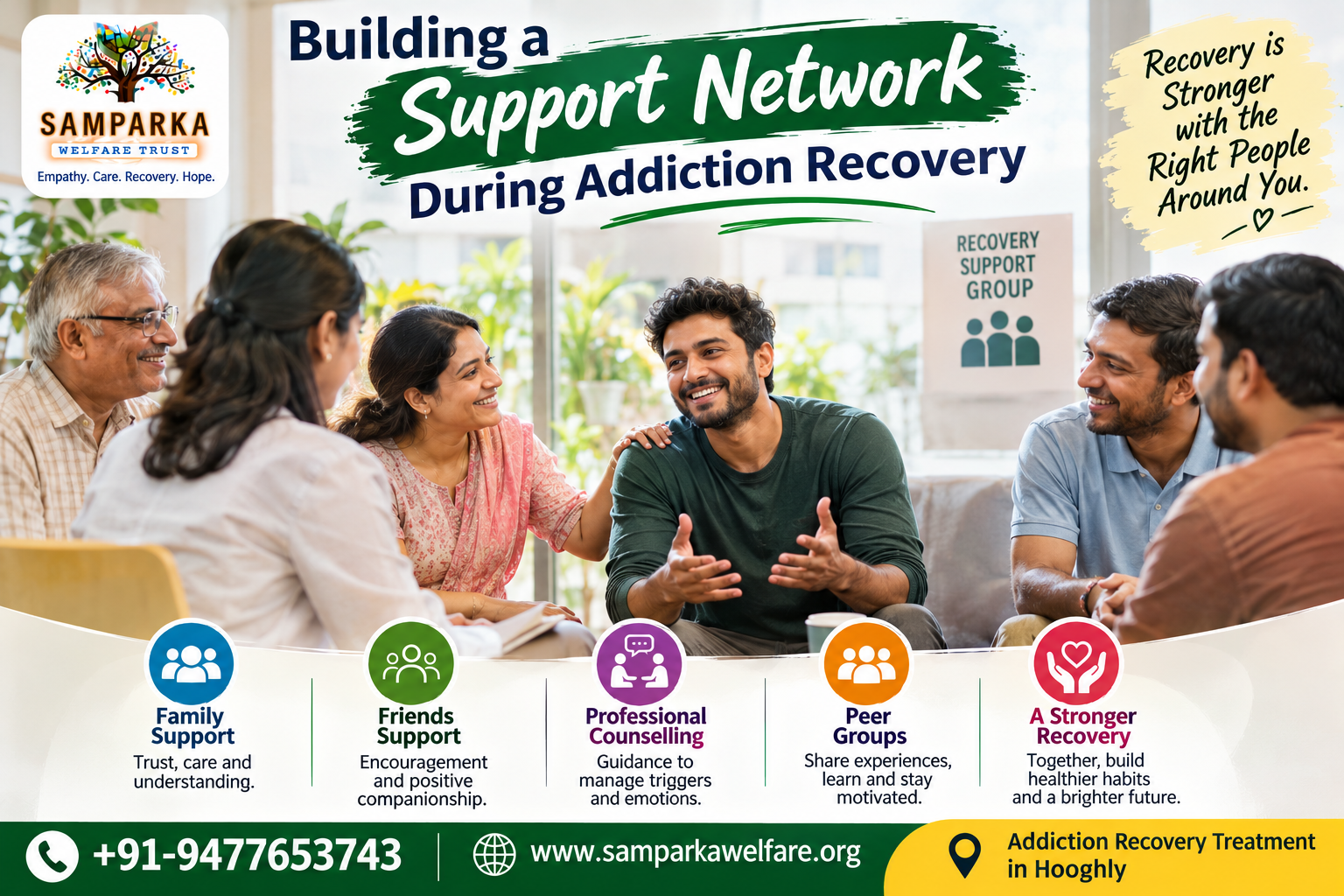
Recovery from addiction can feel like a challenging journey, especially when individuals believe they must overcome every difficulty independently. Physical withdrawal, emotional struggles, cravings, and changes in everyday routines can make the process overwhelming. During these moments, having people who understand and encourage recovery can make a meaningful difference.
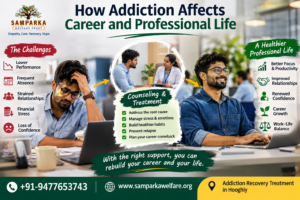
Addiction often affects more than the individual. It can create emotional distance within families, damage friendships, disturb professional relationships, and increase feelings of loneliness. Many people struggling with addiction gradually withdraw from social connections because of guilt, embarrassment, or fear of judgment.
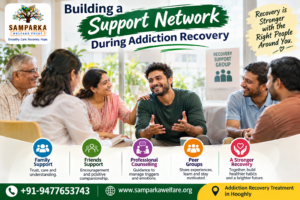
However, recovery becomes more manageable when individuals have access to a supportive environment. Family members, trusted friends, counsellors, healthcare professionals, and peer support groups can all contribute to a healthier recovery experience.
Building a strong support network is not simply about having people nearby. It involves creating meaningful relationships based on trust, understanding, encouragement, and accountability.
At Samparka Welfare Trust, we believe that compassionate support plays an important role in helping individuals rebuild their lives. Professional addiction recovery treatment in Hooghly, combined with appropriate emotional and social support, can help individuals work toward a healthier and more stable future.
Understanding the Importance of a Support Network in Addiction Recovery
A support network refers to a group of people who provide emotional encouragement, practical assistance, guidance, and understanding during difficult situations.
For someone recovering from addiction, this network may include family members, close friends, healthcare professionals, therapists, recovery mentors, and individuals with similar experiences.
Addiction recovery involves several challenges that may be difficult to manage alone. Individuals may experience cravings, emotional distress, social pressure, or uncertainty about their future.
Having supportive people available can make it easier to discuss these difficulties and seek appropriate help.
A healthy support network can help individuals:
- Feel less isolated during recovery.
- Develop confidence and emotional stability.
- Maintain motivation toward recovery goals.
- Recognise unhealthy behaviours and triggers.
- Build healthier relationships.
- Access professional assistance when needed.
- Develop accountability and positive routines.
- Prepare for challenging situations.
Support does not guarantee that recovery will always be easy. However, knowing that someone is available to listen and encourage positive decisions can make difficult moments more manageable.
Why Isolation Can Make Addiction Recovery More Difficult
Isolation is a common challenge for individuals experiencing addiction.
Some people withdraw from family gatherings, avoid conversations with friends, or stop participating in activities they previously enjoyed. Others may isolate themselves because they fear criticism or feel ashamed about their circumstances.
Unfortunately, prolonged isolation can increase emotional distress.
Without meaningful social connections, individuals may struggle to discuss their feelings, manage stress, or find encouragement during difficult recovery periods.
Loneliness can also make unhealthy coping behaviours more tempting, particularly when someone has not yet developed effective emotional management strategies.
Rebuilding social connections is therefore an important consideration during recovery.
Individuals do not need a large social circle. Even a few trustworthy relationships can provide valuable encouragement.
Professional counselling can also help individuals overcome social anxiety, improve communication, and gradually rebuild confidence in relationships.
The Role of Family Support During Addiction Recovery
Family members often experience the consequences of addiction alongside the individual. They may face emotional stress, financial difficulties, broken trust, and uncertainty about the future.
Despite these challenges, families can become an important source of encouragement during recovery.
Creating an Understanding Environment
People recovering from addiction may already experience guilt, frustration, or low self-esteem.
Constant criticism can make these emotions more difficult to manage. Families should therefore try to create an environment where concerns can be discussed respectfully.
Listening without immediately blaming or judging can encourage more honest communication.
Understanding addiction as a condition requiring appropriate care can also help families replace misconceptions with compassion.
Encouraging Professional Treatment
Family members can encourage their loved ones to seek professional assistance when addiction begins affecting their health, relationships, or everyday responsibilities.
They can help explore appropriate treatment options, arrange consultations, and provide practical assistance when necessary.
For families seeking addiction recovery treatment in Hooghly, finding suitable professional guidance can be an important starting point.
Establishing Healthy Boundaries
Supporting someone through addiction recovery does not mean accepting every behaviour or ignoring personal wellbeing.
Families should establish reasonable boundaries and avoid enabling harmful behaviours.
For example, providing emotional encouragement is different from repeatedly covering up the consequences of substance misuse.
Healthy boundaries protect both the recovering individual and their loved ones.
Celebrating Small Improvements
Recovery often involves gradual progress rather than immediate transformation.
Families can encourage individuals by acknowledging positive changes, such as attending counselling sessions, maintaining healthier routines, or communicating more openly.
Recognising these improvements can strengthen motivation and encourage continued effort.
How Friends Can Contribute to a Healthier Recovery Journey
Friendships can provide valuable emotional connections during addiction recovery.
Trusted friends may help individuals feel accepted and understood, particularly when they are rebuilding their confidence and social identity.
However, not every friendship is necessarily supportive.
Some social relationships may involve substance use, unhealthy peer pressure, or environments associated with previous addictive behaviours.
Recognising these influences is an important part of recovery.
Individuals should consider maintaining relationships with people who:
- Respect their recovery decisions.
- Avoid pressuring them to use substances.
- Encourage healthy activities.
- Understand personal boundaries.
- Offer emotional encouragement without judgment.
- Support positive lifestyle changes.
Spending time with supportive friends can also help individuals rediscover enjoyable activities that do not involve addictive behaviours.
Simple experiences such as walking together, participating in hobbies, sharing meals, or discussing personal goals can gradually strengthen healthy relationships.
Sometimes, recovery also requires creating distance from relationships that repeatedly encourage harmful behaviours.
The Importance of Professional Support and Counselling
Although family and friends provide valuable encouragement, they cannot replace professional addiction treatment.
Addiction may involve physical dependence, psychological difficulties, emotional trauma, and co-occurring mental health conditions.
These challenges may require specialised assessment and treatment.
Professional counsellors and healthcare providers can help individuals understand their circumstances and develop appropriate recovery strategies.
Individual Counselling
Individual counselling provides a private environment where people can discuss personal struggles, emotional triggers, and recovery concerns.
Counsellors can help individuals identify unhealthy behavioural patterns and develop healthier coping mechanisms.
Group Therapy
Group therapy allows individuals to interact with others experiencing similar recovery challenges.
Participants may share experiences, discuss difficulties, and learn from different perspectives under professional guidance.
This environment can reduce feelings of isolation and encourage a sense of belonging.
Family Counselling
Family counselling helps relatives understand addiction and its effects on relationships.
It can improve communication, address misunderstandings, and encourage healthier ways of supporting recovery.
Medical Guidance
Some forms of addiction involve withdrawal symptoms that require medical supervision.
Qualified healthcare professionals can assess medical risks, recommend appropriate treatment, and monitor recovery progress.
For individuals seeking professional addiction recovery treatment in Hooghly, a combination of suitable medical care, counselling, and ongoing support may contribute to a more comprehensive recovery plan.
Building Connections Through Peer Support Groups
Peer support groups bring together individuals who share experiences related to addiction and recovery.
These groups can provide an environment where people feel understood without needing to explain every aspect of their struggles.
Listening to others discuss their experiences may help individuals recognise that recovery challenges are not unique to them.
Peer groups can encourage:
Shared understanding: Participants can connect with people who have experienced similar difficulties.
Emotional encouragement: Members can offer support during challenging moments.
Accountability: Regular participation can encourage individuals to remain connected with their recovery goals.
Practical learning: Participants may share helpful approaches to managing stress, social pressure, and everyday challenges.
Reduced isolation: Connecting with others can create a sense of belonging and community.
Peer support groups may operate through structured recovery programmes or community-based organisations.
Participation should be based on individual comfort and treatment needs. Peer support is valuable, but it should complement rather than replace professional medical care.
Learning to Ask for Help Without Feeling Ashamed
One of the biggest barriers to building a support network is the fear of being judged.
Many individuals hesitate to discuss addiction because they worry about how family members, friends, or colleagues might react.
Some believe asking for help demonstrates weakness. Others feel they should solve everything independently.
These beliefs can prevent people from accessing support when they need it most.
Asking for help is a responsible decision. It demonstrates awareness of personal challenges and a willingness to work toward positive change.
Individuals can begin with small steps.
They may speak with a trusted family member, contact a qualified counsellor, or explore professional rehabilitation services.
It is not necessary to share every personal detail with everyone. Individuals should choose trustworthy people who respect their privacy and boundaries.
Building trust gradually can make communication more comfortable.
How to Identify People Who Support Your Recovery
A strong support network should encourage healthier choices rather than create additional pressure.
Not everyone in an individual’s social circle will understand addiction or recovery.
Therefore, identifying supportive relationships is important.
A reliable support person generally:
- Listens patiently and communicates respectfully.
- Avoids unnecessary criticism or humiliation.
- Respects recovery-related boundaries.
- Encourages professional treatment when necessary.
- Recognises that recovery takes time.
- Offers encouragement without making unrealistic promises.
- Understands the importance of personal responsibility.
Individuals should also remember that healthy relationships involve mutual respect.
A support network should not encourage dependency on a single person. Developing several appropriate sources of support can create a more balanced recovery environment.
The Connection Between Support Networks and Relapse Prevention
Relapse prevention is an important part of long-term addiction recovery.
Certain situations, emotions, environments, or social interactions may increase cravings and make recovery more challenging.
A supportive network can help individuals recognise these situations and respond more constructively.
For example, someone experiencing emotional stress may contact a trusted support person instead of returning to previous harmful coping behaviours.
Counsellors can also help individuals develop personalised relapse-prevention strategies.
These plans may include identifying triggers, avoiding high-risk situations, practising coping techniques, maintaining treatment appointments, and knowing when to seek additional assistance.
Family members and trusted friends can contribute by encouraging healthy routines and recognising changes that may require professional attention.
However, relapse should not automatically be interpreted as a complete failure. It is a serious situation that deserves appropriate attention, reassessment, and professional support.
A compassionate and practical response can help individuals reconnect with treatment and continue working toward recovery.
Maintaining Healthy Relationships While Rebuilding Your Life
Recovery often creates opportunities to rebuild relationships that were affected by addiction.
However, restoring trust requires patience and consistent effort.
Individuals should avoid expecting immediate forgiveness or assuming that previous disagreements will disappear automatically.
Instead, they can focus on meaningful actions.
Being honest about personal challenges, respecting boundaries, fulfilling responsibilities, and communicating consistently can help rebuild confidence over time.
It is equally important to recognise that some relationships may not be healthy to restore.
Recovery should encourage individuals to develop connections that support their wellbeing rather than expose them to repeated harmful influences.
Learning to establish healthy boundaries can therefore be just as important as rebuilding existing relationships.
Creating a Personal Support Network for Everyday Recovery
Building a support network does not need to happen all at once.
Individuals can gradually identify people and resources that provide different forms of assistance.
A practical support network may include:
A trusted family member: Someone who can provide encouragement and help during difficult situations.
A supportive friend: Someone who respects recovery goals and encourages healthy social activities.
A qualified counsellor: A professional who can help address emotional difficulties and behavioural patterns.
A healthcare professional: Someone who can provide appropriate medical guidance and treatment.
A peer support community: A group where individuals can connect with others experiencing similar recovery journeys.
Healthy community connections: Meaningful activities, volunteering opportunities, or hobbies that encourage positive social interaction.
The purpose is to develop a balanced network where individuals can access appropriate support without feeling dependent on a single person.
How Samparka Welfare Trust Supports Individuals and Families
At Samparka Welfare Trust, we recognise that addiction recovery involves more than overcoming physical dependence. Emotional wellbeing, healthy relationships, professional guidance, and supportive environments are also important considerations.
Individuals and families may experience uncertainty when beginning the recovery process. Understanding available treatment options and finding appropriate support can make the journey less overwhelming.
Compassionate guidance, counselling, structured recovery programmes, and family involvement can help individuals work toward healthier behavioural patterns and improved emotional stability.
For families exploring addiction recovery treatment in Hooghly, seeking professional guidance can be an important step toward understanding individual treatment requirements.
Samparka Welfare Trust encourages individuals to approach recovery with patience, dignity, and confidence.
Every person’s circumstances are different. Treatment and support should therefore be appropriate to individual needs and guided by qualified professionals.
Conclusion: Recovery Becomes Stronger With the Right Support
Addiction recovery is a personal journey, but it does not have to be a lonely one.
Family members, trusted friends, professional counsellors, healthcare providers, and peer support groups can all contribute to a healthier recovery environment.
A strong support network encourages individuals to communicate openly, manage emotional challenges, develop healthier habits, and remain connected with appropriate treatment.
Building meaningful relationships takes time. Trust may need to be restored gradually, and some connections may need to change along the way.
However, every positive step toward healthier relationships can contribute to a more stable future.
At Samparka Welfare Trust, we believe that nobody should feel they have to face addiction alone. Compassionate support and appropriate professional care can help individuals and families move forward with greater confidence.
If you or someone you care about is struggling with addiction, consider reaching out for professional guidance.
Remember, recovery is not just about finding the strength to continue. It is also about finding the right people and support systems to help you along the way.