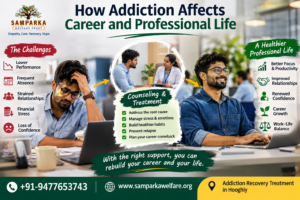
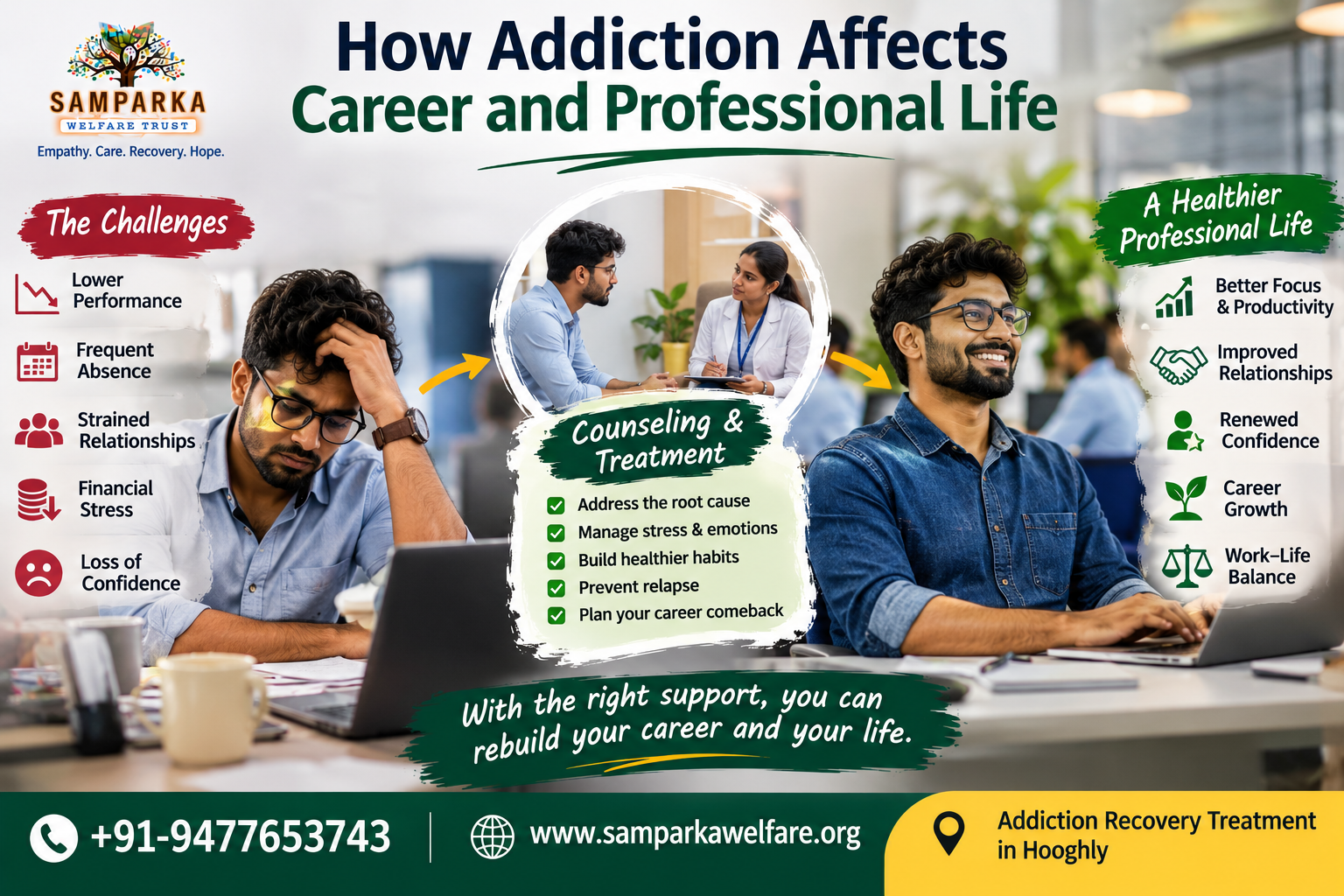
A successful career often represents years of dedication, ambition, and personal sacrifice. People work hard to achieve financial independence, professional recognition, and a stable future for their families. However, addiction can gradually interfere with these goals, affecting workplace performance, professional relationships, and long-term career opportunities.
Sometimes, the changes begin quietly. An employee starts arriving late, misses important deadlines, struggles with concentration, or becomes increasingly disconnected from colleagues. What initially appears to be a temporary performance issue may sometimes indicate a deeper struggle with substance dependence.
Addiction does not discriminate based on education, professional position, financial background, or experience. Anyone can experience its consequences, including working professionals, business owners, students, and individuals in leadership positions.
Understanding the connection between addiction and professional life is important for recognising problems early. Professional addiction recovery treatment in Hooghly can help individuals address underlying challenges, rebuild healthy habits, and work toward a more stable future.
At Samparka Welfare Trust, we believe that recovery should focus on the whole person, including physical health, emotional wellbeing, personal relationships, and the opportunity to rebuild a meaningful professional life.
Understanding the Connection Between Addiction and Professional Life
Professional life requires consistency, concentration, responsibility, and effective decision-making. Addiction can interfere with these abilities in different ways.
Substance dependence may affect sleep, memory, emotional regulation, physical health, and the ability to manage everyday responsibilities. Over time, these difficulties can become increasingly noticeable in the workplace.
An individual who previously performed well may begin struggling with basic responsibilities. Important meetings may be missed, work quality may decline, and communication with colleagues may become difficult.
However, workplace performance problems should not automatically be interpreted as evidence of addiction. Medical, psychological, personal, and environmental factors can also affect professional functioning.
Recognising concerning behavioural changes and approaching them with sensitivity can help individuals access appropriate support before problems become more serious.
How Addiction Affects Workplace Performance
Workplace performance depends on several interconnected abilities. Addiction can affect these abilities and make professional responsibilities increasingly challenging.
1. Reduced Concentration
Concentration is essential for completing tasks, understanding instructions, and making informed decisions.
Substance dependence, withdrawal, and associated sleep disturbances may affect attention and cognitive functioning. Employees may find it difficult to remain focused during meetings or complete complicated assignments.
This can lead to repeated mistakes, missed deadlines, and reduced productivity.
2. Increased Absenteeism
Regular attendance is important in most professional environments.
An individual experiencing addiction-related difficulties may frequently miss work because of physical discomfort, health complications, emotional distress, or other consequences of substance use.
Repeated absences can affect professional responsibilities and create additional pressure on colleagues.
3. Poor Decision-Making
Professional responsibilities often involve solving problems, managing deadlines, communicating with clients, and making important decisions.
Addiction can affect judgment and impulse control, potentially increasing the likelihood of workplace mistakes.
These difficulties may become particularly concerning in positions involving financial responsibilities, safety-sensitive activities, or leadership decisions.
4. Declining Productivity
Tasks that previously felt manageable may gradually become difficult.
Employees may struggle to maintain consistent performance, organise their schedules, or complete assignments within expected timelines.
When these difficulties continue without appropriate support, they may affect professional confidence and career development.
The Impact on Professional Relationships
A successful career is not built through individual performance alone. Communication, teamwork, trust, and professional relationships also play important roles.
Addiction can sometimes create difficulties in these areas.
Employees may become withdrawn, defensive, emotionally unpredictable, or less interested in workplace interactions. Misunderstandings and disagreements may occur more frequently.
Colleagues may find it difficult to understand sudden behavioural changes, particularly when the underlying problem remains undisclosed.
Professional relationships can also become strained when responsibilities are repeatedly neglected or commitments are not fulfilled.
Counselling and appropriate treatment can help individuals understand their behavioural patterns, improve communication, and develop healthier ways of managing workplace pressure.
Financial Consequences of Addiction
Financial stability is an important part of professional and personal wellbeing.
Addiction can gradually affect income, savings, and financial responsibilities. Regular spending on substances may reduce the amount available for household expenses, education, healthcare, and future investments.
When professional performance declines, individuals may also experience reduced opportunities for salary increases, promotions, or career advancement.
In more serious circumstances, employment difficulties may create additional financial pressure.
These challenges can affect entire families, particularly when the individual is responsible for household expenses or supporting dependants.
Professional recovery support can help individuals begin rebuilding healthier habits and regain stability over time. Financial recovery may also require budgeting, responsible planning, and practical support from trusted family members or professionals.
Addiction and Workplace Stress
Workplace stress can contribute to emotional difficulties, particularly when individuals face demanding schedules, performance expectations, financial pressure, or challenging professional relationships.
Some people may turn to substances in an attempt to temporarily escape these feelings.
Although substance use may initially appear to provide relief, it can create additional difficulties over time.
Stress, poor sleep, emotional instability, and substance dependence can reinforce one another, making it harder to maintain a healthy professional routine.
Learning healthier stress-management strategies is therefore an important part of recovery.
Professional counselling can help individuals identify workplace triggers and explore more constructive responses to pressure.
These strategies may include setting realistic goals, improving time management, developing healthy boundaries, maintaining physical activity, and seeking appropriate emotional support.
Why Professionals Often Delay Seeking Help
Despite experiencing serious difficulties, many working professionals hesitate to seek addiction treatment.
Several concerns may contribute to this delay.
Fear of losing employment: Some individuals worry that admitting their struggles will affect their job security or professional reputation.
Social stigma: Addiction is frequently misunderstood, and people may fear being judged by colleagues, friends, or family members.
Denial: Some individuals believe their substance use is temporary or that they can stop whenever they choose.
Professional pressure: Busy schedules and workplace responsibilities may make it difficult to prioritise treatment.
Fear of personal failure: People who have achieved professional success may find it difficult to accept that they need assistance.
These concerns are understandable, but delaying appropriate treatment may allow the situation to become more complicated.
Seeking professional guidance does not mean abandoning career ambitions. It means recognising that health and wellbeing are essential foundations for sustainable professional success.
The Importance of Professional Addiction Treatment
Recovering from addiction often requires more than personal determination.
Professional treatment can provide structured support for managing physical dependence, emotional challenges, and behavioural patterns.
Depending on individual circumstances, treatment may involve medical assessment, supervised detoxification, counselling, behavioural therapies, rehabilitation, and continuing support.
For individuals seeking addiction recovery treatment in Hooghly, choosing appropriate professional care can be an important step toward rebuilding personal and professional stability.
A personalised recovery plan can address different aspects of addiction while considering the individual’s health, circumstances, and recovery goals.
Rebuilding Professional Confidence After Addiction
Returning to professional responsibilities after addiction treatment can feel challenging.
Individuals may worry about their previous mistakes, damaged relationships, or the possibility of experiencing difficulties again.
Rebuilding confidence requires patience and consistent effort.
Some useful steps include:
- Establishing realistic professional goals.
- Maintaining healthy daily routines.
- Improving time management.
- Attending recommended counselling sessions.
- Developing constructive communication habits.
- Avoiding environments associated with previous substance use when possible.
- Maintaining supportive personal relationships.
- Seeking professional assistance when emotional challenges arise.
Small achievements can gradually help individuals regain confidence.
Completing responsibilities consistently, maintaining healthy routines, and developing better decision-making habits can contribute to a stronger sense of professional independence.
How Employers Can Support Employees Facing Addiction
Workplaces also have an important role in promoting healthier professional environments.
Employers can contribute by encouraging respectful communication, reducing unnecessary stigma, and providing access to appropriate employee assistance resources where available.
Some supportive workplace practices include:
Promoting mental health awareness: Employees should understand that mental and emotional wellbeing are important aspects of overall health.
Encouraging early support: Appropriate access to counselling and healthcare resources can help employees seek assistance earlier.
Maintaining confidentiality: Personal health information should be handled responsibly and according to applicable laws and workplace policies.
Creating supportive environments: Employees should be treated with dignity while maintaining appropriate professional responsibilities and safety standards.
Encouraging a healthy work-life balance: Reasonable workloads, appropriate breaks, and supportive management practices can contribute to employee wellbeing.
A workplace that approaches health concerns with understanding can encourage individuals to seek appropriate assistance.
Returning to Work After Rehabilitation
Returning to employment after completing rehabilitation can represent an important milestone.
However, individuals should not feel pressured to resume every responsibility immediately if their health or treatment plan requires a gradual transition.
A realistic return-to-work approach may involve:
- Discussing readiness to return with qualified healthcare professionals.
- Establishing manageable professional responsibilities.
- Maintaining follow-up treatment when recommended.
- Developing strategies for workplace stress.
- Identifying potential triggers and planning appropriate responses.
- Building supportive professional relationships.
Some individuals may benefit from temporary adjustments to their responsibilities, depending on their circumstances and workplace policies.
The objective should be to create a sustainable balance between professional commitments and ongoing recovery needs.
The Role of Family in Career Recovery
Addiction can create financial and emotional pressure within families.
When someone’s professional life is affected, family members may worry about income, household responsibilities, future opportunities, and long-term stability.
Family support can be valuable during the recovery process.
Loved ones can encourage professional treatment, help establish healthy routines, and provide emotional encouragement without unnecessary criticism.
Family counselling may also help improve communication and address concerns surrounding trust and financial responsibilities.
However, families should maintain appropriate boundaries and avoid taking complete responsibility for another person’s recovery.
A balanced support system can help individuals gradually rebuild independence and confidence.
Preventing Addiction-Related Problems in Professional Life
Prevention and early intervention can make an important difference.
Individuals can protect their wellbeing by developing healthy responses to professional and personal stress.
Some practical approaches include:
- Maintaining a healthy work-life balance.
- Avoiding the use of substances as a stress-management strategy.
- Building supportive personal relationships.
- Prioritising physical and mental health.
- Recognising early behavioural changes.
- Seeking counselling when emotional difficulties become overwhelming.
- Maintaining healthy sleep and exercise routines.
- Accessing professional treatment when substance use becomes difficult to control.
Early professional guidance can help individuals understand their situation and explore suitable treatment options.
How Samparka Welfare Trust Supports Individuals and Families
At Samparka Welfare Trust, we recognise that addiction can affect far more than physical health. It can influence professional responsibilities, family relationships, financial security, and emotional wellbeing.
Recovery should therefore focus on helping individuals rebuild different areas of their lives.
Compassionate support, appropriate counselling, structured recovery guidance, and family involvement can contribute to a healthier recovery journey.
For individuals and families seeking addiction recovery treatment in Hooghly, Samparka Welfare Trust encourages taking the first step toward understanding available support options.
Professional treatment should be personalised according to individual needs and guided by appropriately qualified healthcare professionals.
The goal is not simply to overcome addiction but also to create opportunities for individuals to rebuild confidence, regain stability, and pursue meaningful personal and professional goals.
Conclusion: Your Health Is More Important Than Your Professional Setbacks
Addiction can affect workplace performance, professional relationships, financial stability, and long-term career opportunities. However, experiencing addiction does not mean that someone’s professional future is permanently damaged.
With appropriate treatment, continued support, and consistent effort, individuals can work toward rebuilding healthier routines and restoring confidence in their abilities.
Seeking help should never be viewed as a professional failure. It is a responsible decision that prioritises health, dignity, and long-term wellbeing.
For individuals looking for addiction recovery treatment in Hooghly, professional guidance can provide an opportunity to understand the available treatment options and begin working toward positive change.
At Samparka Welfare Trust, we believe everyone deserves an opportunity to recover, rebuild, and move forward with confidence.
Your career matters, but your health matters even more. Taking care of yourself today can help create a stronger and healthier tomorrow.