Addiction recovery does not end when a person stops using a substance. The journey continues through everyday choices, emotional challenges, relationships, and personal habits. After completing detoxification or rehabilitation, returning to normal life can sometimes feel overwhelming. Old routines may bring back familiar triggers, while stress and emotional pressure can challenge recovery progress.
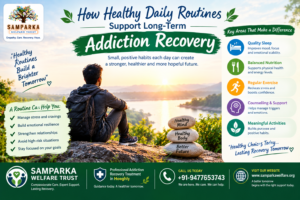
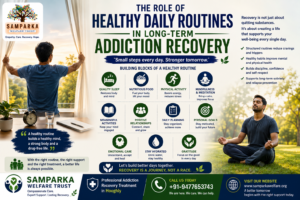
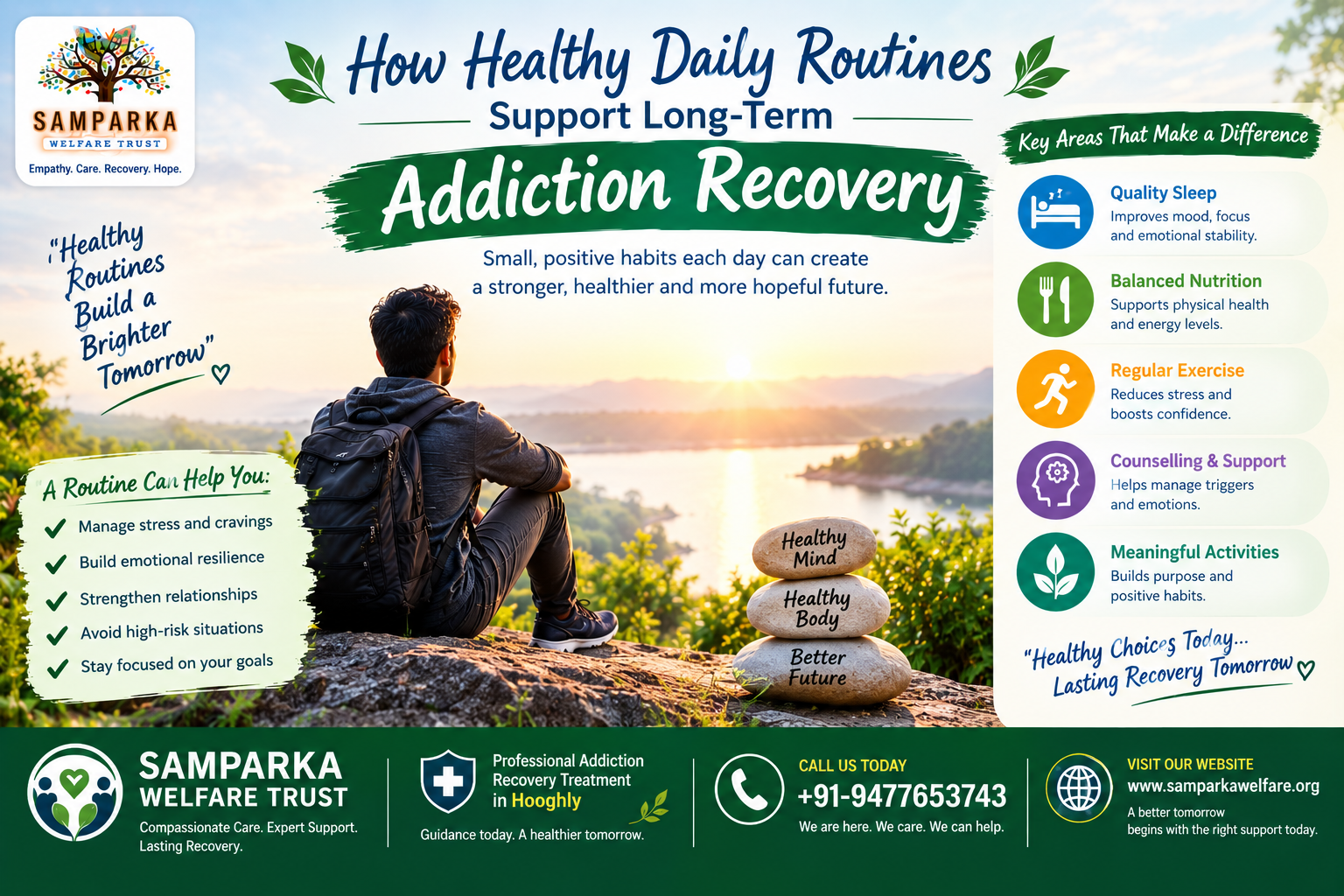
A healthy daily routine can provide stability during this important stage. Regular sleep, balanced nutrition, physical activity, counselling, meaningful activities, and supportive relationships can help individuals create healthier patterns.
At Samparka Welfare Trust, recovery is approached as an ongoing journey that requires compassion, structure, and consistent support. Professional addiction recovery treatment in Hooghly can help individuals understand their triggers while developing practical habits that support long-term wellbeing.
Why Routine Matters During Addiction Recovery
Addiction can disrupt almost every part of daily life. Sleeping patterns may become irregular, meals may be skipped, responsibilities may be neglected, and relationships can become strained. When recovery begins, rebuilding a predictable routine can provide a sense of stability.
A structured day reduces uncertainty and creates opportunities for healthier decisions. Instead of allowing cravings or emotional difficulties to control the entire day, individuals can follow planned activities that support their recovery goals.
A routine may include waking at a consistent time, eating regular meals, attending counselling sessions, exercising, engaging in hobbies, and maintaining meaningful social connections.
Professional addiction recovery treatment in Hooghly can help individuals develop realistic routines according to their personal circumstances. Recovery plans should remain personalised because every person’s experiences, health conditions, triggers, and responsibilities are different.
The goal is not to create a perfect schedule. The goal is to establish sustainable habits that support physical and emotional wellbeing.
The Importance of Healthy Sleep
Sleep can play an important role in recovery. Addiction and withdrawal can disrupt normal sleeping patterns, leaving individuals feeling tired, irritable, or emotionally overwhelmed.
Poor sleep may make it harder to manage stress and maintain concentration. When someone feels exhausted, everyday challenges can seem more difficult to handle. This can make emotional regulation and coping with cravings more challenging.
Developing healthy sleep habits can gradually create greater stability.
Some useful practices include:
- Maintaining a consistent bedtime and wake-up schedule
- Reducing excessive screen use before sleeping
- Creating a calm sleeping environment
- Avoiding excessive caffeine late in the day
- Following professional advice when persistent sleep problems occur
- Practising relaxation techniques before bedtime
Sleep problems should not automatically be treated with self-medication. Individuals experiencing persistent difficulties should discuss them with qualified healthcare professionals.
A structured rehabilitation program can also help individuals understand how sleep patterns interact with emotional wellbeing and recovery.
Nutrition and Physical Recovery
Substance dependence can sometimes interfere with regular eating patterns and overall nutritional wellbeing. During recovery, maintaining balanced meals can support general physical health.
A healthy diet can include vegetables, fruits, whole grains, proteins, healthy fats, and adequate fluids according to individual dietary requirements.
Regular meals can also introduce structure into the day. Instead of unpredictable eating patterns, individuals can develop consistent meal times and gradually rebuild healthier habits.
Nutrition should be personalised, particularly for people with existing medical conditions or nutritional deficiencies. Professional medical or dietary guidance may be appropriate when necessary.
At Samparka Welfare Trust, nutritional support can complement broader recovery efforts by encouraging individuals to pay attention to their physical wellbeing alongside emotional healing.
Exercise and Recovery
Physical activity can become another meaningful part of a recovery routine. Exercise does not need to involve intense workouts. Walking, stretching, yoga, light strength training, or other suitable activities can be incorporated according to an individual’s health and fitness level.
Regular movement can provide structure and encourage individuals to spend time away from environments associated with unhealthy habits.
Exercise can also become a healthy alternative activity during periods when boredom or stress might otherwise trigger harmful behaviours.
However, exercise should remain appropriate for the person’s physical condition. Anyone recovering from significant substance dependence or experiencing medical complications should seek professional advice before starting a demanding exercise program.
The purpose is not athletic performance. It is to gradually encourage healthier lifestyle patterns.
Managing Free Time in Recovery
Unstructured free time can sometimes become challenging during recovery. Boredom may create opportunities for individuals to return to familiar environments or behaviours.
Developing meaningful activities can help fill this space constructively.
Some people may enjoy:
- Reading
- Music
- Gardening
- Art
- Cooking
- Learning new skills
- Walking
- Volunteering
- Spending time with supportive family members
- Pursuing educational or professional goals
The activity itself is less important than whether it provides a healthy and meaningful alternative to previous patterns.
Recovery is also an opportunity to rediscover interests that may have been neglected during addiction.
Recognising Personal Triggers
A healthy routine becomes more effective when individuals understand what can challenge their recovery.
Triggers can vary considerably. They may include particular people, places, memories, emotions, social situations, financial stress, relationship conflicts, loneliness, or exposure to substances.
Keeping a journal can help individuals identify recurring patterns.
For example:
Situation → Emotion → Craving → Response
A person may notice that an argument creates anger, anger leads to isolation, isolation increases cravings, and cravings create the temptation to return to substance use.
Recognising this pattern provides an opportunity to introduce a healthier response.
Instead of immediately reacting, the individual might contact a trusted person, attend a counselling session, take a walk, practise relaxation techniques, or use another strategy recommended by their treatment team.
Professional addiction recovery treatment in Hooghly can help individuals identify these patterns and develop personalised coping strategies.
The Role of Counselling
Lifestyle changes alone may not address the underlying causes of addiction. Emotional experiences, trauma, anxiety, depression, relationship difficulties, or environmental stress may continue to influence recovery.
Counselling provides an opportunity to explore these issues in a structured environment.
Individual counselling allows people to discuss personal experiences privately. Group therapy can provide shared understanding and encouragement. Family counselling can help rebuild communication and trust.
Therapy can also help individuals understand why certain situations trigger cravings or unhealthy behaviours.
Recovery is not simply about avoiding substances. It is also about learning healthier ways to respond to difficult emotions and life circumstances.
Building Supportive Relationships
Recovery can become difficult when an individual feels isolated. Supportive relationships can provide encouragement and accountability during challenging periods.
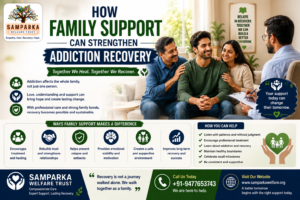
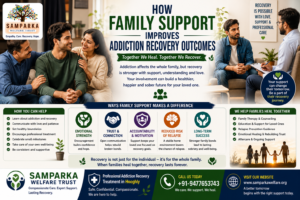
Family members can contribute by listening without unnecessary judgment, encouraging healthy routines, and respecting professional treatment recommendations.
Friends can also play an important role by supporting activities that do not involve substance use.
At the same time, maintaining boundaries may be necessary when certain relationships or environments repeatedly expose an individual to harmful triggers.
Recovery sometimes requires changing social routines and developing new connections that support healthier goals.
Samparka Welfare Trust encourages compassionate family involvement because recovery can affect more than the individual receiving treatment.
Managing Stress Without Returning to Old Habits
Stress is a normal part of life, but recovering individuals may need to develop healthier methods of managing it.
Previously, substances or addictive behaviours may have provided temporary emotional escape. During recovery, alternative coping methods become important.
These may include:
- Deep breathing
- Meditation
- Physical activity
- Talking with a trusted person
- Counselling
- Journaling
- Creative activities
- Maintaining healthy sleep
- Taking breaks from stressful environments
Different strategies work for different individuals. Professional counselling can help identify which approaches are realistic and sustainable.
The objective is not to eliminate every stressful situation. Instead, recovery involves learning how to respond to stress without returning to harmful behaviours.
Creating a Realistic Recovery Schedule
A recovery schedule should be achievable rather than overwhelming.
Trying to change everything immediately can create unnecessary pressure. Small, consistent improvements may be easier to maintain.
A simple daily structure could include:
Morning: Wake up, hydrate, eat breakfast, and begin the day with a planned activity.
Afternoon: Work, study, counselling, exercise, or another meaningful responsibility.
Evening: Spend time with supportive people, complete personal activities, and avoid known triggers.
Night: Follow a relaxing bedtime routine and maintain a consistent sleep schedule.
The exact schedule should be adapted to the person’s treatment plan, employment, family responsibilities, physical health, and recovery stage.
Consistency matters more than perfection.
What Happens When a Routine Is Broken?
Recovery does not require perfect behaviour every day. Unexpected events, stressful situations, travel, illness, or family emergencies can disrupt routines.
The important point is to recognise the disruption without allowing one difficult day to become a complete abandonment of recovery efforts.
For example, missing one exercise session does not mean the entire routine has failed. Having a stressful day does not erase previous progress.
Individuals can return to their routine as soon as practical and seek professional support when difficulties become difficult to manage.
A setback should be treated as an opportunity to understand what happened and strengthen future coping strategies.
When Professional Support Is Still Necessary
Healthy routines are valuable, but they should not replace professional addiction treatment when treatment is required.
Individuals may need additional professional support when they experience:
- Repeated relapse
- Strong or persistent cravings
- Dangerous withdrawal symptoms
- Difficulty maintaining daily responsibilities
- Severe emotional distress
- Depression or anxiety symptoms
- Increasing isolation
- Returning to environments associated with substance use
- Difficulty following a recovery plan
Professional assessment can help determine what type of support is appropriate.
A rehabilitation centre can provide structured treatment, counselling, medical monitoring, family support, and aftercare planning depending on the individual’s needs.
For people seeking addiction recovery treatment in Hooghly, choosing a qualified and compassionate organisation can be an important part of beginning or continuing the recovery journey.
How Families Can Encourage Healthy Habits
Families do not need to control every aspect of a person’s routine. Instead, they can create an environment that supports healthier choices.
Simple actions can include preparing balanced meals, encouraging regular sleep, participating in healthy activities, listening during difficult moments, and supporting professional appointments.
Families should also maintain appropriate boundaries. Supporting recovery does not mean ignoring harmful behaviour or taking responsibility for every decision.
Professional family counselling can help relatives understand how to provide constructive support while protecting their own emotional wellbeing.
Building a Life Beyond Addiction
One of the most meaningful aspects of long-term recovery is developing a life that contains purpose beyond simply avoiding substances.
Employment, education, relationships, hobbies, spirituality, volunteering, creativity, and personal goals can all provide meaning.
Recovery can become an opportunity to establish new priorities and rebuild confidence gradually.
Small achievements matter. Completing a course, maintaining a healthy routine, repairing a relationship, returning to work, or developing a new hobby can all contribute to a stronger sense of progress.
Long-term recovery is not defined by a single moment. It develops through many everyday decisions.
Supporting Long-Term Recovery With Samparka Welfare Trust
Addiction recovery involves physical health, emotional wellbeing, relationships, habits, and personal circumstances. A healthy daily routine can support these areas, but every recovery journey requires an individual approach.
Samparka Welfare Trust promotes compassionate and structured support for individuals and families facing addiction-related challenges. Professional counselling, rehabilitation support, family involvement, and continuing recovery guidance can help individuals work toward greater stability.
For individuals and families looking for addiction recovery treatment in Hooghly, seeking professional guidance can provide an opportunity to understand available recovery options and determine appropriate next steps.
Recovery does not require perfection. It requires consistent effort, appropriate support, and the willingness to continue moving forward after difficult days.
A healthier routine can become more than a schedule. It can become a foundation for rebuilding confidence, relationships, physical wellbeing, and a meaningful life beyond addiction.
If you or someone you care about is struggling with addiction, reach out to Samparka Welfare Trust for compassionate guidance and professional support.