Chaos rarely announces its arrival. One drink can quietly change an entire household. Smiles fade, routines shift, and uncertainty grows. Family members often carry burdens nobody notices. Stress builds behind closed doors. Anxiety follows every unanswered call. Guilt appears without reason. Burnout becomes a daily reality. Many families struggle to find answers.
Effective alcohol addiction treatment can help individuals begin recovery. Yet families also need guidance and support. Healthy coping mechanisms create stability during difficult times. Strong strategies protect emotional and physical well-being. This guide explains practical ways to cope, communicate, and heal. Support starts with understanding, awareness, and action.
Understanding How Alcohol Addiction Affects Families
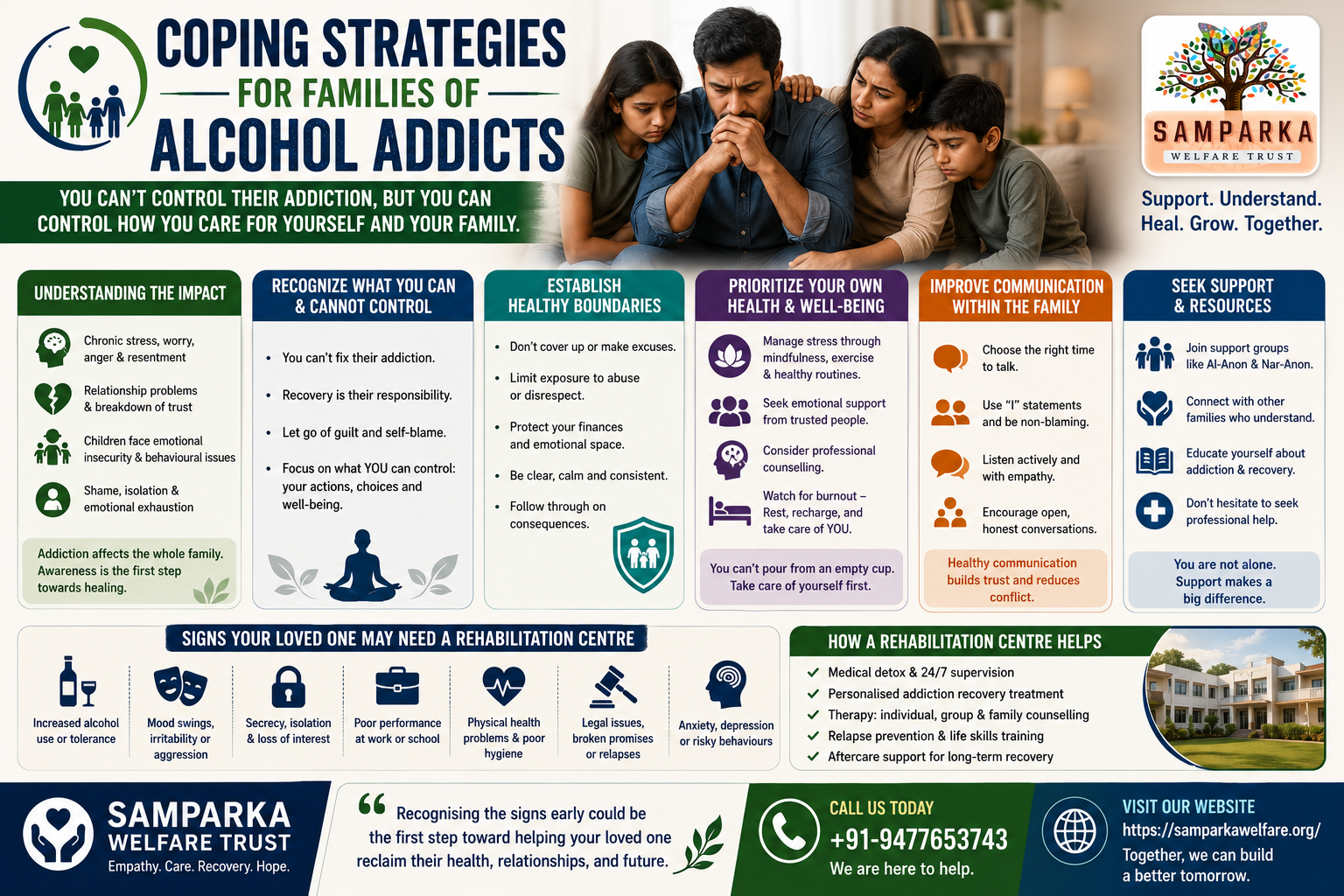
Alcohol addiction affects far more than the individual drinking. Family members often experience chronic stress and constant worry about unpredictable behavior. Many struggle with anger, frustration, and resentment after repeated disappointments. Feelings of shame or isolation may also develop, especially when families avoid discussing the problem openly.
Relationship challenges frequently emerge within the household. Trust becomes difficult to maintain when promises are repeatedly broken. Communication often suffers because family members avoid sensitive conversations or argue frequently. As tension grows, conflicts become more common and emotionally exhausting.
Children face unique challenges in homes affected by addiction. Emotional insecurity may develop when daily life feels unstable. Academic performance can decline due to stress and distraction. Some children display behavioral issues, while others become withdrawn. Without support, these experiences may contribute to long-term mental health concerns. Alongside alcohol addiction treatment in Kolkata, family-focused support can help rebuild stability and strengthen relationships.
Recognizing What You Can and Cannot Control
Families often believe they can stop a loved one from drinking through effort alone. Common misconceptions include thinking, “I can fix their addiction,” or “If I try harder, they’ll stop drinking.” While these beliefs stem from love and concern, they often lead to frustration and emotional exhaustion.
Accepting reality is an important step toward healthier coping. Addiction is a complex condition influenced by psychological, social, and biological factors. Recovery requires personal commitment and professional support. Even the best alcohol addiction treatment cannot succeed without the individual’s willingness to participate.
Letting go of guilt is equally important. Family members are not responsible for causing another person’s addiction. Carrying unnecessary blame only increases emotional distress. Replacing self-blame with self-compassion allows families to focus on their own well-being. Recognizing personal limits helps create healthier expectations and encourages a more balanced approach to supporting a loved one through recovery.
Establishing Healthy Boundaries
Healthy boundaries are clear limits that protect emotional, physical, and financial well-being. They help family members maintain safety and dignity while interacting with a loved one struggling with addiction. Boundaries are not punishments. Instead, they create structure and accountability for everyone involved.
Examples of healthy boundaries include refusing to cover up the consequences of drinking, limiting exposure to abusive behavior, and protecting financial resources from misuse. These actions reduce enabling behaviors and encourage personal responsibility.
Communicating boundaries effectively requires calm and consistency. Choose a quiet moment to discuss expectations. Use clear and direct language without threats or accusations. Explain specific consequences if boundaries are crossed, and follow through when necessary. Consistency reinforces credibility and reduces confusion.
Families often discover that boundaries improve relationships over time. Combined with alcohol addiction treatment, healthy limits can support recovery while protecting family members from ongoing emotional harm and unnecessary stress.
Prioritizing Your Own Mental and Physical Health
Supporting someone with addiction can feel overwhelming. Family members often neglect their own needs while focusing on the person struggling with alcohol use. Prioritizing mental and physical health is essential for long-term resilience.
Stress management should become a daily practice. Mindfulness exercises, deep breathing techniques, and meditation can reduce anxiety. Regular exercise and healthy routines improve mood, increase energy, and strengthen overall wellbeing.
Emotional support also plays a critical role. Talking with trusted friends or family members provides comfort and perspective. Professional counseling offers a safe environment to process emotions and develop healthy coping skills. Many families benefit from guidance while navigating challenges related to alcohol addiction treatment.
Caregiver burnout can develop when stress remains unaddressed. Warning signs include exhaustion, irritability, and loss of interest in activities. Scheduling time for personal interests, relaxation, and rest helps restore balance and prevents emotional depletion.
Improving Communication Within the Family
Effective communication becomes challenging when alcohol addiction affects family dynamics. Choosing the right time to talk can make a significant difference. Avoid serious conversations during intoxication or moments of heightened conflict. Wait for calm situations where meaningful discussion is possible.
Healthy communication skills promote understanding and reduce tension. Active listening allows each person to feel heard and respected. Using “I” statements helps express feelings without sounding accusatory. For example, saying “I feel worried” is more productive than assigning blame.
Families should also avoid criticism, insults, and hostile language. These approaches often increase defensiveness and create further conflict. Instead, focus on specific behaviors and their impact.
Managing conflict constructively requires patience and self-control. De-escalation techniques, such as taking a short break or lowering your tone, can prevent arguments from intensifying. Knowing when to step away protects emotional well-being and fosters healthier interactions throughout the recovery journey.
Building a Strong Support Network
No family should face addiction-related challenges alone. Building a strong support network provides emotional encouragement, practical advice, and a sense of connection during difficult times.
Support groups for families offer valuable peer support. Participants often share similar experiences, creating an environment of understanding and acceptance. Family-focused recovery groups can help individuals learn coping strategies, improve communication skills, and reduce feelings of isolation.
Professional resources also provide meaningful assistance. Therapists, family counselors, and addiction specialists offer personalized guidance tailored to each family’s situation. Their expertise can complement ongoing alcohol addiction treatment and strengthen the recovery process.
Community and online support options continue to expand. Local organizations frequently host educational programs and support meetings. Virtual communities offer convenient access to encouragement and resources regardless of location. By seeking support from multiple sources, families can develop stronger coping skills and greater confidence while navigating the challenges of addiction.
Helping Children Cope with a Parent’s Alcohol Addiction
Children often struggle to understand a parent’s alcohol addiction. Honest, age-appropriate conversations help them process confusing emotions and reduce fear. Simple explanations provide clarity without overwhelming them. Reassure children that they are not responsible for the addiction and cannot control another person’s behavior.
Creating stability and routine is equally important. Consistent schedules provide a sense of security during uncertain times. Regular meals, school activities, and family routines help children feel grounded. A safe emotional environment encourages them to express concerns and ask questions openly.
Parents and caregivers should also watch for signs that professional help may be needed. Behavioral changes, declining academic performance, anxiety, depression, or social withdrawal may indicate emotional distress. Early intervention can prevent challenges from worsening over time.
Supportive communication, predictable routines, and professional guidance help children develop resilience while navigating the impact of a parent’s addiction.
Preparing for Different Recovery Outcomes
Recovery journeys vary significantly from person to person. Families benefit from preparing for different possible outcomes while maintaining realistic expectations.
When a loved one seeks help, offering encouragement and emotional support can be beneficial. Attend family sessions when appropriate and learn about the recovery process. However, avoid becoming overly involved or taking responsibility for their progress. Successful alcohol addiction treatment depends on the individual’s commitment to change.
Some individuals may refuse help despite repeated encouragement. In these situations, focus on protecting your well-being. Maintain healthy boundaries and avoid sacrificing your mental health while trying to force change.
Relapse can also occur during recovery. Although discouraging, relapse does not always mean treatment has failed. Many people require ongoing support and adjustments to their recovery plans. Revisiting boundaries, strengthening support systems, and encouraging continued treatment can help families respond effectively while maintaining emotional stability.
Practical Daily Coping Strategies
Daily coping strategies help families manage stress and maintain emotional balance. One of the most effective approaches is to focus on what you can control rather than worrying about circumstances beyond your control.
Keeping a journal provides a healthy outlet for emotions. Writing thoughts and experiences helps identify patterns, process feelings, and reduce emotional pressure. Many people find greater clarity through regular reflection.
Stress-reduction techniques can also improve wellbeing. Deep breathing, mindfulness exercises, yoga, and regular physical activity help lower anxiety levels. Small daily habits often create meaningful long-term benefits.
Developing emergency plans for crisis situations provides an added sense of security. Knowing whom to contact and where to seek assistance can reduce panic during difficult moments.
Finally, celebrate small personal victories. Recognizing progress builds confidence and motivation. Whether setting a boundary or managing stress effectively, every positive step contributes to greater resilience and emotional strength.
When to Seek Immediate Professional Assistance
Certain situations require immediate professional intervention. Families should never ignore warning signs that indicate serious danger or emotional crisis.
Domestic violence is one of the clearest indicators that urgent help is necessary. Physical aggression, threats, or intimidation create unsafe environments and require immediate action. Protecting personal safety must always remain a priority.
Threats of self-harm or suicide should also be taken seriously. Any indication that someone may harm themselves requires prompt professional evaluation. Contact emergency services or a crisis support organization without delay.
Severe emotional distress can also signal the need for urgent assistance. Extreme anxiety, panic attacks, hopelessness, or inability to function normally may indicate a mental health emergency.
Emergency resources, crisis hotlines, mental health professionals, and addiction specialists provide critical support during high-risk situations. Seeking help quickly can protect lives and ensure appropriate care for everyone involved.
Final Thoughts
Alcohol addiction affects entire families, not just the individual struggling with substance use. Emotional well-being, relationships, and daily routines often suffer when addiction enters a household. Healthy boundaries, self-care practices, and strong support systems help families regain stability and confidence.
Seeking guidance is not a sign of weakness. It is a meaningful step toward healing. Professional support and alcohol addiction treatment can improve outcomes for both individuals and families. Prioritize your wellbeing, ask for help when needed, and remember that support is available. Organizations like Samparka Welfare Trust remind families that they deserve care, understanding, and hope throughout recovery.