Drinking sometimes starts innocently, then quietly grows into something heavier. One extra drink becomes routine before anyone notices the shift. Denial often whispers that everything is under control. Hesitation feels normal when habits blur into dependence. Alcohol addiction treatment enters conversations that many people try to avoid.
This blog speaks to those questioning their relationship with alcohol. No labels appear here, only honest reflection. Alcohol addiction treatment awareness begins with curiosity, not shame. Pause, read, and notice patterns without judging yourself.
Change starts by listening to what discomfort is saying. Stories like yours exist everywhere.
Progress often starts with small realizations. Awareness opens doors previously unseen.
Support exists beyond this page.
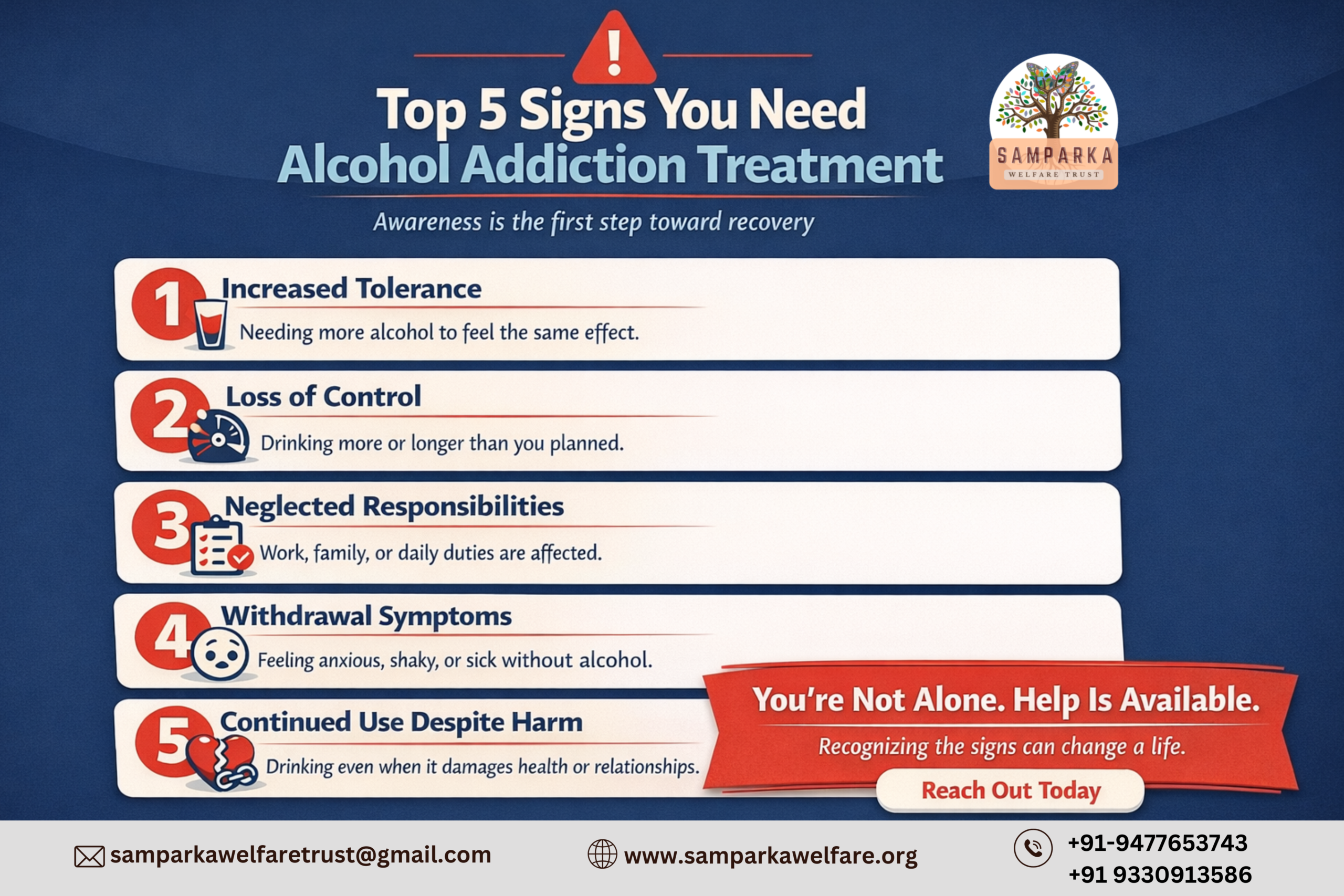
5 Common Signs That Need Alcohol Addiction Treatment
Sign #1: You’ve Lost Control Over How Much or How Often You Drink
Loss of control rarely announces itself loudly. Drinks intended as “just one” become several. Promises to cut back dissolve after stressful days. Morning drinking or frequent binge episodes start feeling justified.
This pattern reflects more than poor discipline. Loss of control signals the growing need for alcohol addiction treatment in Kolkata because the brain’s reward system has shifted. Alcohol now dictates behavior, not choice. Recognizing this shift early prevents deeper dependence.
Sign #2: Alcohol Is Affecting Your Health (Physical or Mental)
Physical symptoms often appear quietly. Poor sleep, constant fatigue, weight changes, or concerns about the liver may emerge. Mental health also suffers from rising anxiety, depression, or unpredictable mood swings.
Many people begin drinking to manage stress or emotional pain. Unfortunately, alcohol intensifies those struggles over time. Without alcohol addiction treatment, health declines progressively, making recovery more complicated and risks greater.
Sign #3: Your Relationships or Responsibilities Are Suffering
Alcohol misuse strains connections first. Arguments with family increase. Friends express concern or distance themselves. Missed workdays, declining performance, or academic issues become frequent. Secrecy replaces openness. Drinking alone feels easier than explaining behavior.
These real-life consequences often mirror stories many readers recognize. Relationships act as early warning systems when alcohol disrupts balance.
Sign #4: You Experience Withdrawal Symptoms Without Alcohol
Shaking hands, sweating, nausea, headaches, or intense anxiety indicate withdrawal. Irritability and restlessness follow quickly.
These symptoms show physical dependence, not weakness. Withdrawal can become dangerous without medical supervision. Alcohol addiction treatment in Kolkata provides professional detox support, protecting health while easing discomfort safely.
Sign #5: You Continue Drinking Despite Negative Consequences
Legal trouble, financial strain, or career setbacks sometimes fail to stop drinking. Medical warnings go ignored. “Rock bottom” moments repeat without lasting change.
This cycle signals the need for structured alcohol addiction treatment. Professional care addresses root causes, not just surface behavior.
What Alcohol Addiction Treatment Looks Like
Alcohol addiction treatment adapts in Kolkata to individual needs rather than forcing one solution. Detox often comes first, primarily when withdrawal risks exist. Medical teams manage symptoms safely and comfortably. Treatment then continues through inpatient or outpatient programs. Inpatient care offers immersive, structured environments, while outpatient options provide flexibility for daily responsibilities.
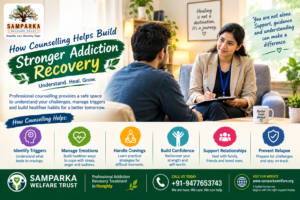
Therapy forms the foundation of recovery. Individual counseling explores triggers, thought patterns, and emotional health. Group therapy builds accountability and shared understanding. Family counseling repairs strained relationships. Some individuals benefit from medication-assisted treatment, which reduces cravings and stabilizes brain chemistry.
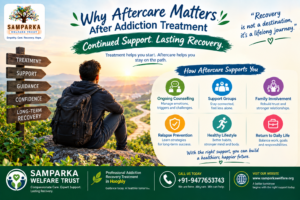
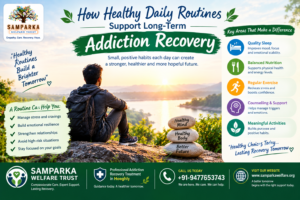
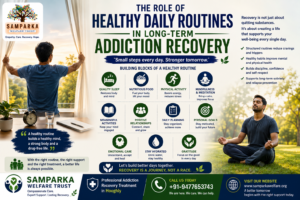
Long-term success relies on ongoing support. Relapse prevention planning, aftercare programs, peer groups, and lifestyle changes strengthen recovery. Alcohol addiction treatment focuses on rebuilding physical health, emotional resilience, and purpose beyond alcohol.
When to Seek Help and Why Earlier Is Better
Fear often delays seeking help. Many worry about judgment, privacy, or losing control. Treatment programs prioritize confidentiality and respect personal dignity. Supportive professionals guide each step without pressure. Early intervention reduces health risks, relationship damage, and emotional distress. Recovery becomes smoother when dependence remains less severe.
Alcohol addiction treatment works best when approached proactively rather than reactively. Hope grows faster when help arrives sooner. Asking for support reflects self-awareness, not failure.
Recovery begins with honesty and courage. Choosing alcohol addiction treatment represents strength, not defeat. Professional help offers tools, guidance, and compassion during change. Support systems are available at every stage of recovery.
Reaching out today prevents deeper struggles tomorrow. Schedule an assessment and consult with us. One conversation can open the path toward clarity, health, and lasting freedom.