Kolkata wakes up early, yet many battles begin long after midnight. Addiction hides behind tea stalls, traffic lights, and quiet apartment doors. Recent reports show substance dependence rising across the city’s margins and middle-class homes. Families panic, unsure where hope still exists.
This is where the best rehabilitation centre becomes more than a facility. This blog explores how Kolkata’s centres fight addiction daily.
Quick snapshot: The problem in brief
Substance use has increased steadily across Kolkata over the past decade. Alcohol, opioids, prescription drugs, cannabis, and injectable substances dominate treatment admissions. Young adults, daily wage workers, students, and professionals face equal risk.
Neighborhoods near transport hubs and industrial zones are more vulnerable. Economic stress, unemployment, and untreated mental health issues worsen dependency cycles. Local responses matter because proximity enhances trust and continuity of care.
Families often turn to the best rehabilitation centre in Kolkata when private coping mechanisms fail. Community-based care ensures earlier intervention and reduced relapse risks.
How Rehab Centres are Evolving- Overview
Rehabilitation in Kolkata no longer relies solely on isolated institutional models. Centres now prioritize community-centered, dignity-driven recovery approaches. Multi-disciplinary teams include psychiatrists, psychologists, counsellors, social workers, and peer mentors. These teams address both addiction and underlying emotional triggers.
Partnerships with NGOs strengthen outreach and long-term support networks. Government collaborations help align treatment with public health frameworks. Modern facilities increasingly model themselves after the best rehabilitation centre standards. This evolution improves outcomes and rebuilds patient confidence.
Key Strategies & Programmes Used
Medical Detox and Pharmacotherapy
Medical detox stabilizes patients during withdrawal under clinical supervision. Doctors use medications to manage cravings and prevent complications.
Centres initiate detox when physical dependence threatens patient safety. Many follow protocols inspired by the best rehabilitation centre treatment models.
Psychosocial Therapies
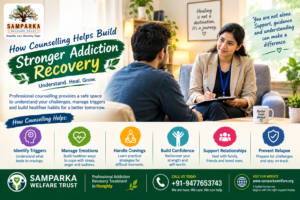
Cognitive Behavioral Therapy reshapes harmful thinking patterns. Motivational interviewing strengthens commitment to sobriety goals.
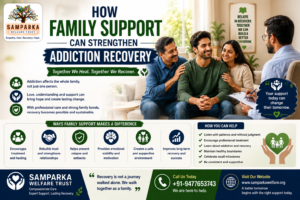
Family therapy repairs trust and improves home environments. These methods work because addiction affects behavior, emotions, and relationships.
Community Outreach and Harm Reduction
Outreach teams run awareness drives and drop-in counseling clinics. Some centres support needle exchange and overdose prevention education.
Naloxone distribution saves lives during opioid emergencies. Urban outreach mirrors initiatives seen at the best rehabilitation centre in Kolkata.
Reintegration and Vocational Training
Skill training restores purpose and economic independence. Centres partner with employers and skill institutes for placements. Shelter support ensures stability during early recovery.
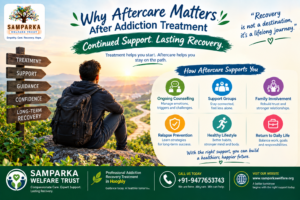
Aftercare and Follow-up
Outpatient counselling and peer groups prevent isolation. Relapse prevention plans extend accountability beyond discharge. Consistent follow-up defines the best rehabilitation centre’s success.
Challenges Still Facing Centres
Funding shortages restrict infrastructure upgrades and outreach expansion. Stigma discourages families from seeking early help. Bed capacity remains limited during crisis surges. Qualified addiction specialists remain scarce across Kolkata.
Follow-up care suffers when patients migrate for work. Urban density complicates privacy and long-term monitoring. Despite these barriers, the best rehabilitation centre in Kolkata continues adapting. Sustainable solutions require systemic support and public participation.
What Families and Communities Can Do
Families should notice behavioral changes, secrecy, and financial instability. Calm conversations work better than confrontation or blame. Early professional consultation prevents crisis escalation.
Local helplines and outpatient clinics offer immediate guidance. Support groups reduce caregiver burnout and emotional isolation. Communities can promote awareness through schools and workplaces. Advocacy reduces stigma and improves access to treatment. Many families regain stability after approaching the best rehabilitation centre.
Policy and Systems-level Recommendations
Authorities should expand citywide community-based treatment programs. Public funding must prioritize addiction and mental health services. Training frontline workers improves early identification and referrals.
Data-driven monitoring helps track relapse and recovery trends. Mass de-stigmatization campaigns encourage timely help-seeking behavior. NGO-government partnerships strengthen outreach efficiency. Policy alignment with the best rehabilitation centre frameworks ensures consistency. Sustained investment protects long-term public health.
Kolkata’s addiction crisis demands empathy, structure, and collective responsibility. Rehabilitation centres now blend medical care with community healing. Their progress proves recovery remains achievable and sustainable.
Families, policymakers, and citizens all shape outcomes together. Support can start with a phone call today. Donate, volunteer, or share verified resources widely. Recovery journeys often begin inside the best rehabilitation centre.